
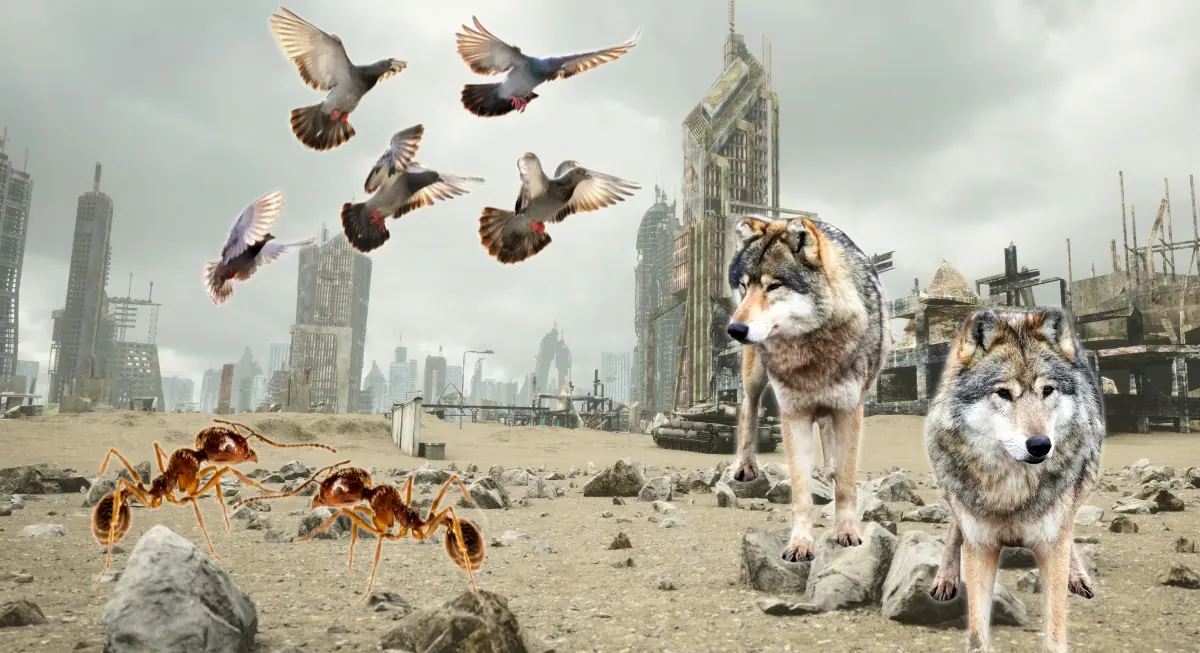
Humans have spent centuries shaping the world. But nature wouldn’t hesitate to take over if we suddenly disappeared. Cities would crumble, and forests would spread. And certain species would rise to dominance. Some would thrive instantly, while others could evolve into Earth’s next rulers. Here are a few creatures that are built to survive in a post-human us.
Rats
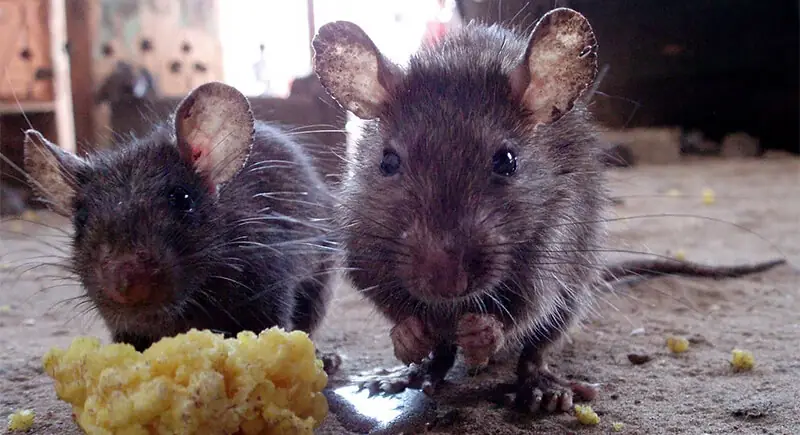
If any creature is built for an apocalypse, it’s the rat—the ultimate survivor. These resilient rodents have survived everything from plagues to nuclear testing sites. All things considered, they’d multiply at a staggering rate and take over abandoned cities. Given enough time, natural selection might produce even larger, smarter rats.
Wild Boars
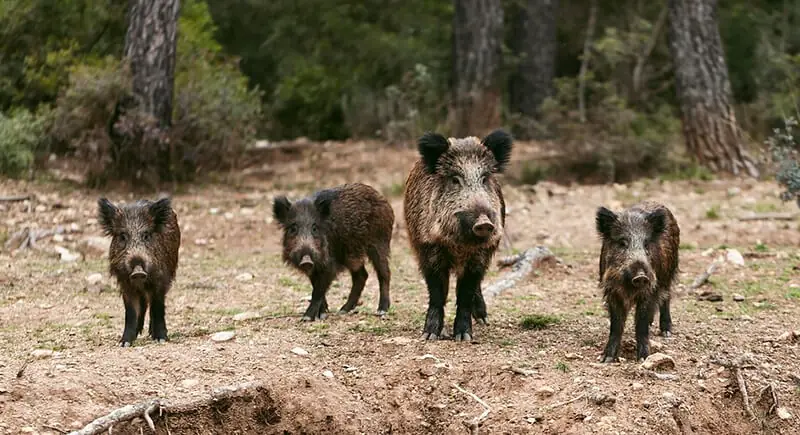
Wild boars already thrive in cities and countryside alike. In a world with no humans, they will become the bulldozers of the animal kingdom, tearing through farmland and adapting to almost any environment. Plus, their population would explode. They’re tough, aggressive, and resourceful—meaning they’d quickly establish themselves as rulers of forests, fields, and urban ruins.
Ants
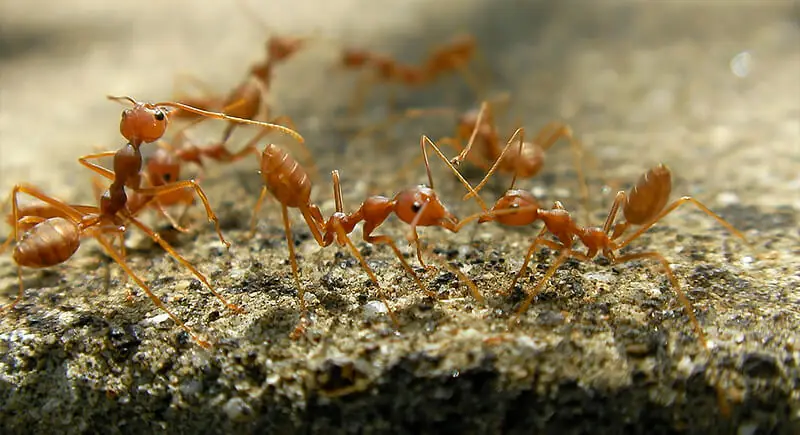
Ants have mastered teamwork in a way humans could only dream of. Some species farm fungi, while others wage wars or build megacolonies thousands of miles away. With no one to disturb them, ants could spread even further and create vast underground civilizations that might one day rival the scale of our own cities.
Pigeons
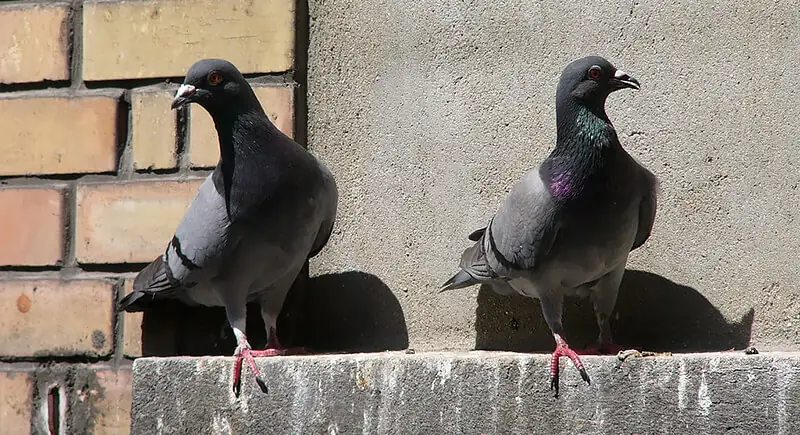
These city dwellers can turn into survivors of the planet. Pigeons have spent centuries adapting to human environments and nesting in skyscrapers. If we disappeared, their diet might shift, and their numbers could dip at first. But pigeons are tough—with time, they’d bounce back and dominate city ruins by finding new food sources.
Bears
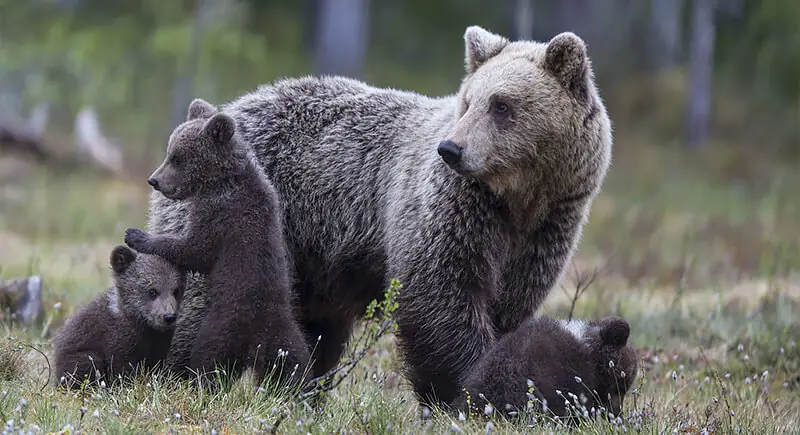
When humans aren’t around, bears will reclaim their lost territories and prefer roaming freely through forests and abandoned towns. Their intelligence and problem-solving skills would only help them survive and thrive. Over time, as ecosystems shift, they might even evolve new hunting strategies or behaviors.
Dogs

Not all dog breeds would survive without humans, but the strongest and smartest would adapt fast. Stray and feral dogs would form packs and depend on teamwork to hunt and scavenge. Over generations, they could evolve into something closer to their wild ancestors.
Cockroaches
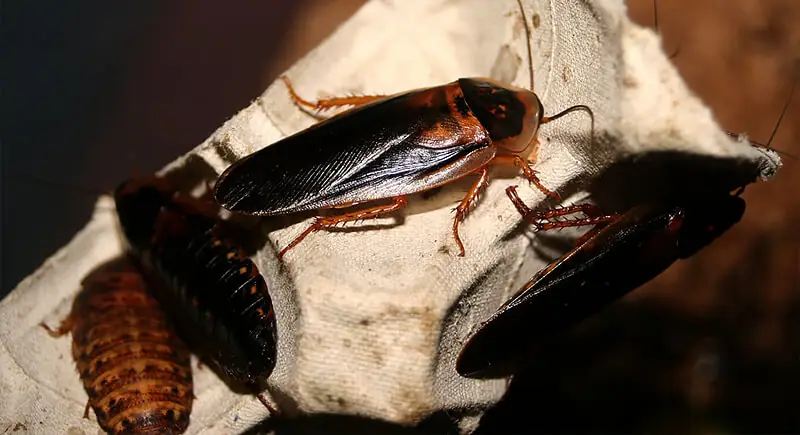
Cockroaches have been around for over 300 million years. They’ve outlived dinosaurs and endured countless disasters. They eat almost anything, reproduce rapidly, and can survive extreme conditions. If there were no humans to kill them, cockroaches would fill every crack and crevice of the abandoned world.
Octopuses
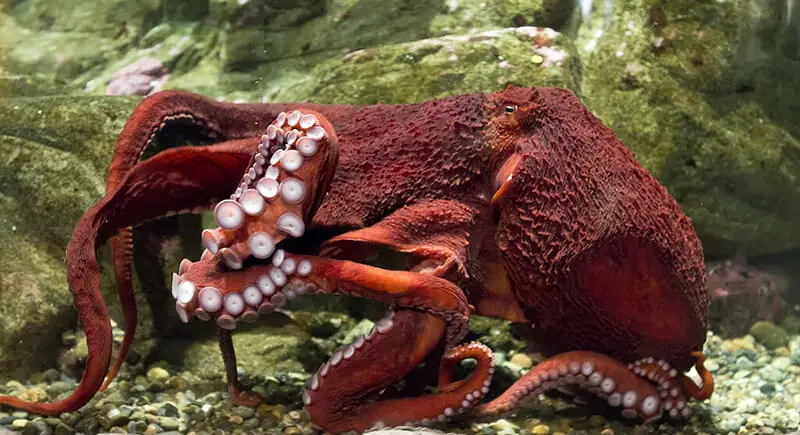
These ocean masterminds already show incredible intelligence by using tools, solving puzzles, and even escaping enclosures. When human-caused pollution and overfishing are gone, their populations could flourish. While their solitary nature makes large societies unlikely, future octopuses could evolve in ways we can’t yet imagine.
Crows
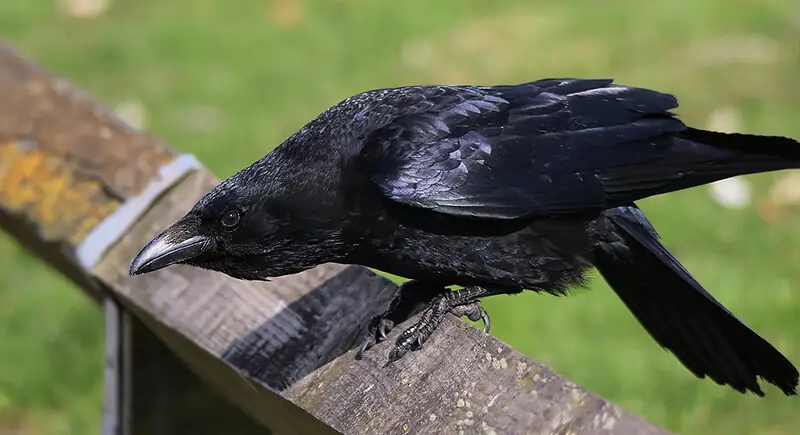
These feathered geniuses are true problem-solvers and know the skills to survive. They can use tools and are masters of memory. Some can even recognize human faces and remember grudges. They’d have more freedom to expand their territories and sharpen their skills.
Raccoons
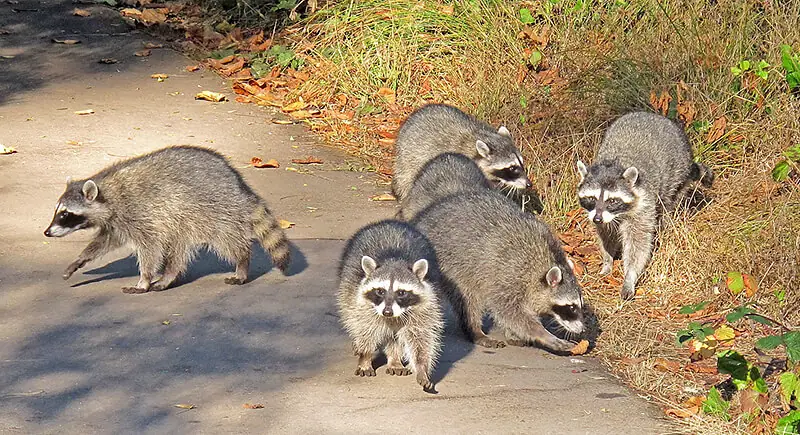
Raccoons are already expert survivors that are capable of opening doors and outsmarting traps. Once the humans are gone to compete with them, they’d become bolder and wouldn’t hesitate in expanding their territory. Over generations, raccoons could evolve into even more intelligent scavengers that are perfectly suited to ruling the abandoned planet.
Wolves
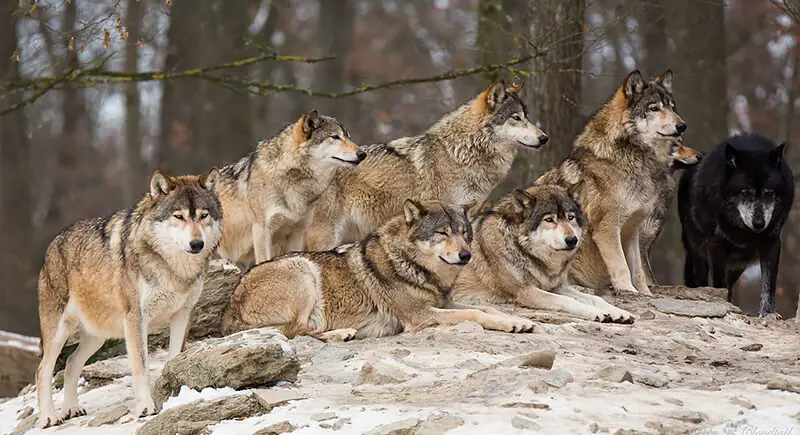
Wolves were top predators long before humans tamed them. If we disappeared, they’d reclaim forests and hunt in packs with no competition. Their numbers would surge, and they could spread into areas they were once driven from. The balance of nature would shift in their favor once more.
Jellyfish
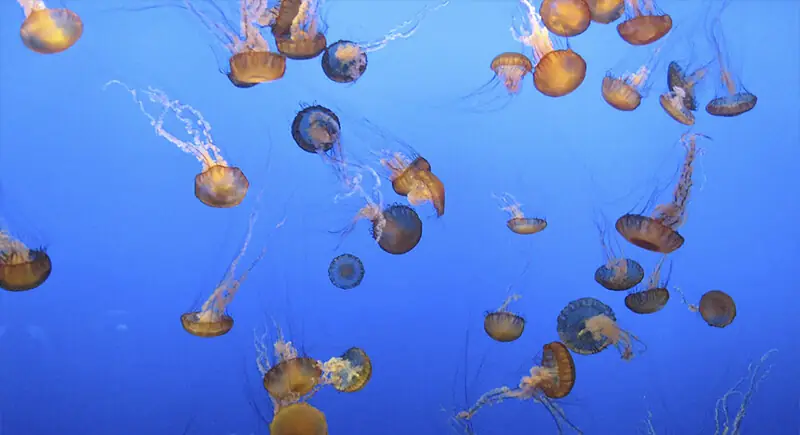
Jellyfish don’t need brains to take over—they just need time. With few natural predators and the ability to thrive in polluted or warming waters, jellyfish populations would explode. In a post-human world, they could dominate the oceans and create vast “dead zones” where few other creatures could survive.
Termites
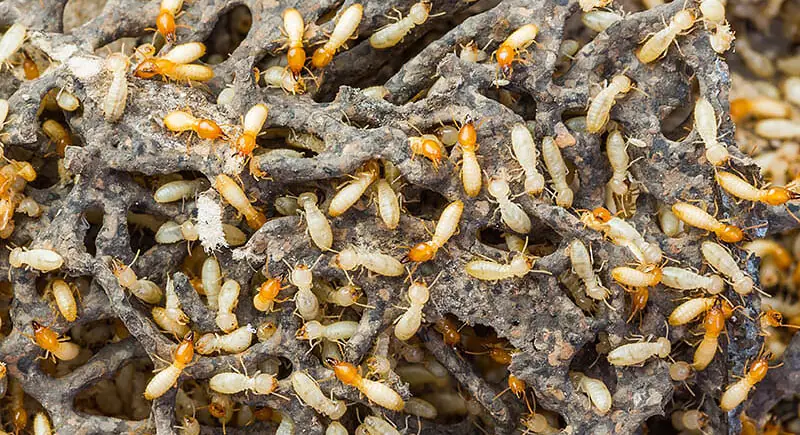
Termites are the ecosystem’s engineers. With no one to maintain buildings and infrastructure, termite colonies could expand while devouring wood. With time, they’d break down cities and turn abandoned human settlements into sprawling underground termite empires.
Snakes
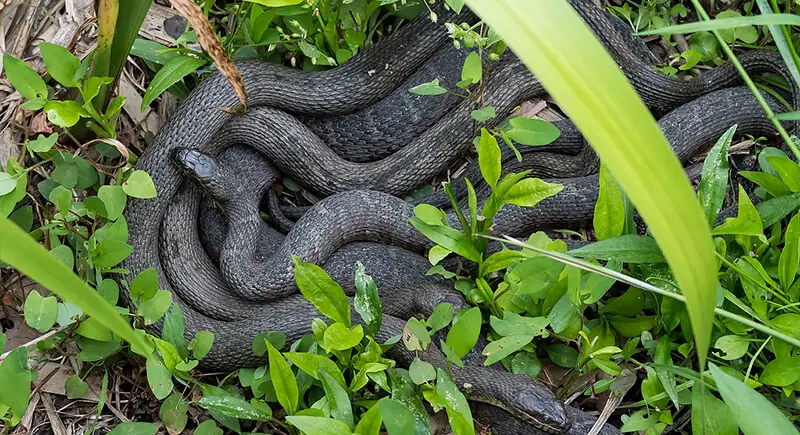
Snakes already thrive in human-free zones. They’re already lurking in forests, deserts, and swamps. In a world without humans, their food supply—rodents, birds, and small mammals—would increase dramatically. Some species could grow larger, while others might evolve to hunt in new ways.
Fungi
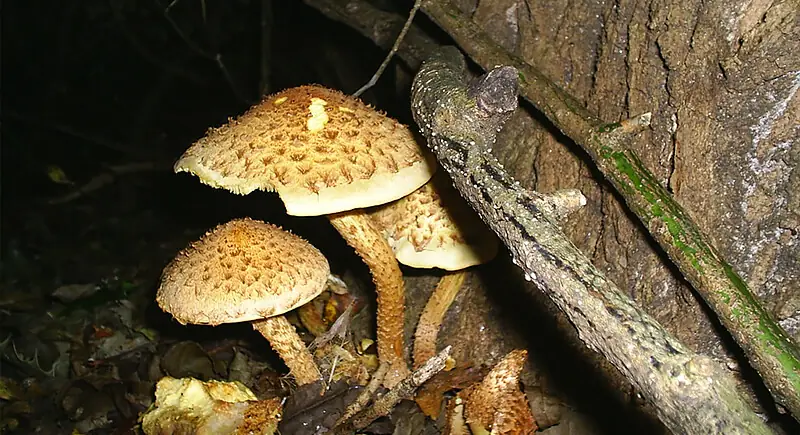
Nature’s clean-up crew would thrive without us. Some fungi can break down radiation, digest plastic, and decompose even the toughest materials. It’s likely they would spread rapidly, dismantling cities, forests, and even toxic waste. In time, fungi might reshape the planet more than any animal ever could.
Tardigrades
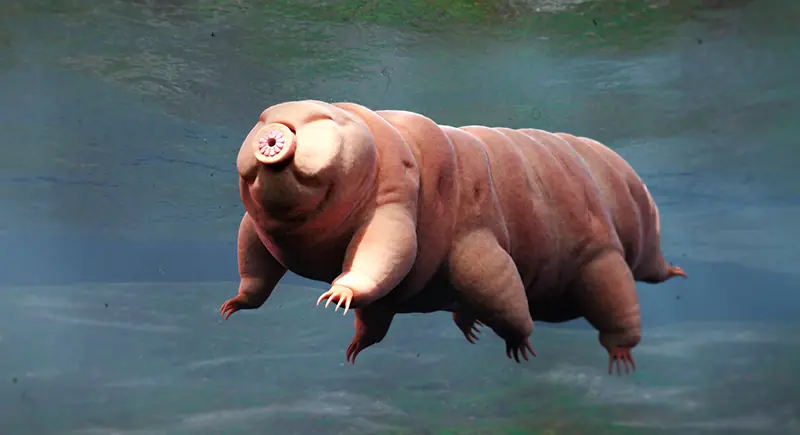
Tardigrades are microscopic animals known for extraordinary environmental tolerance. They can survive extreme cold, high heat, intense radiation, and complete dehydration by entering a dormant state called cryptobiosis. Found worldwide in oceans, freshwater, soil, and moss, tardigrades have survived conditions that wipe out far larger species.
Feral Cats
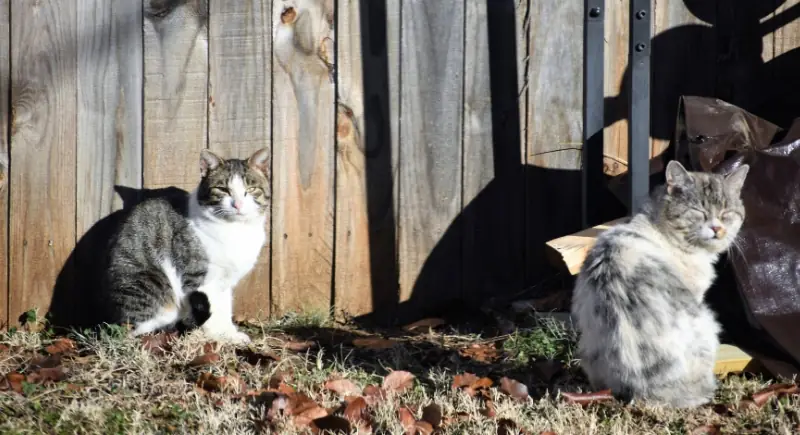
Feral cats are self-sustaining domestic cats that live without direct human care. They thrive in urban, rural, and coastal environments and hunt birds, rodents, reptiles, and small mammals. With few natural predators and high reproduction rates, feral cat populations can grow quickly and significantly impact local wildlife populations.





