
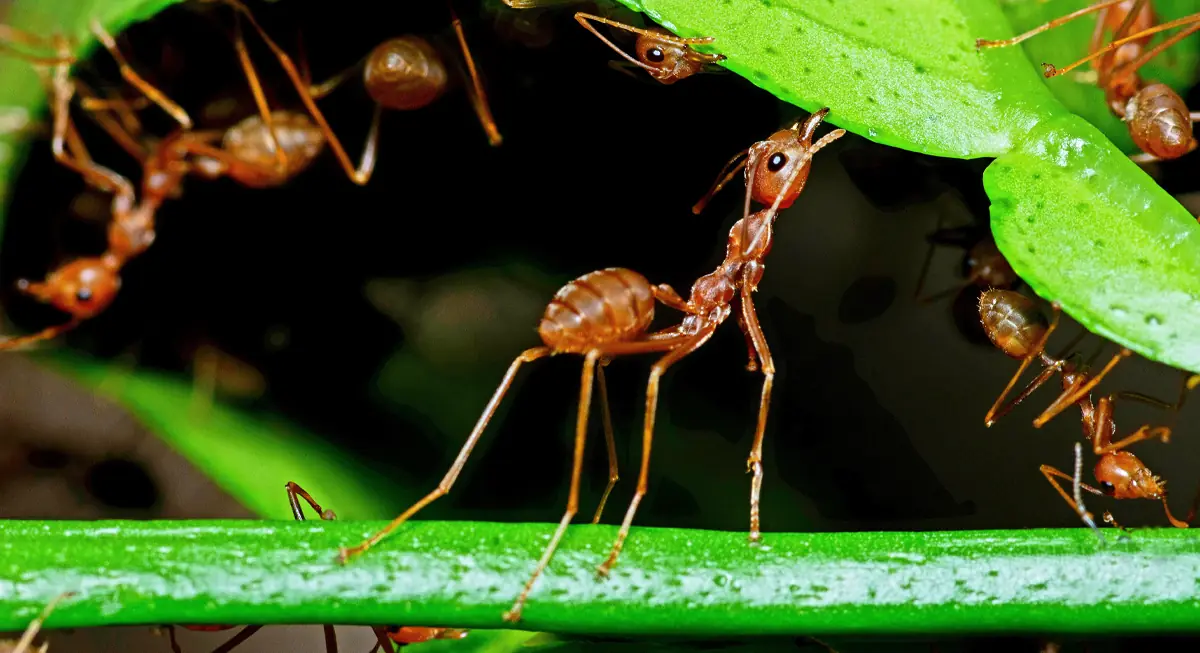
Ants are tiny creatures with incredible social structures, but their behaviors often leave us scratching our heads. While many of their actions have logical explanations in the context of their colonies, some seem outright bizarre when viewed from a human perspective. We’ve compiled some strange things ants do that might leave you puzzled.
Farm Other Insects
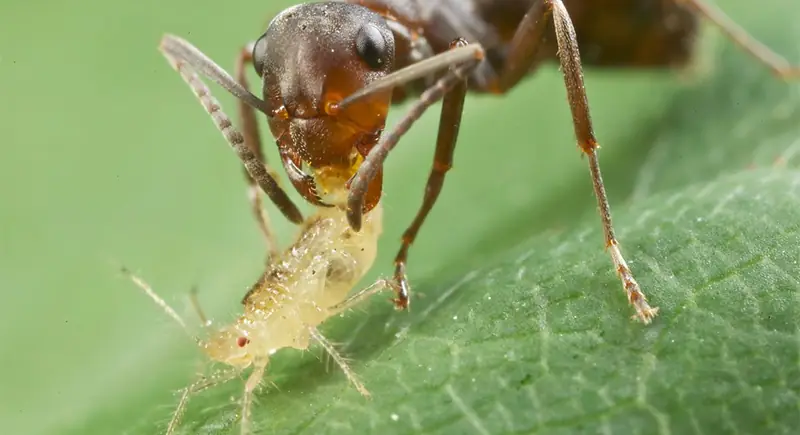
Ants farm aphids by protecting them from predators in exchange for honeydew, a sugary liquid the aphids produce. This behavior mirrors humans domesticating animals for milk or eggs. Seeing ants herding even smaller insects is bizarre yet highlights their resourcefulness in securing a steady food supply for the colony.
Create Living Bridges
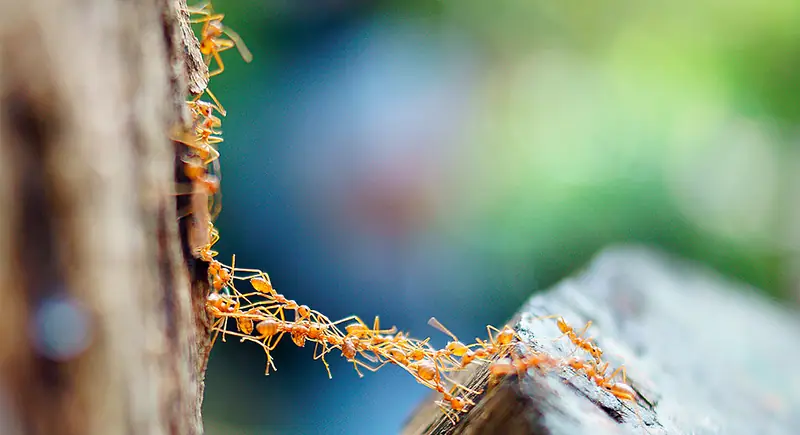
Ants create living bridges by linking their bodies to help others cross gaps. These living structures, constantly adjusted to fit the terrain, demonstrate incredible teamwork. While practical, this behavior looks unsettling as a mass of ants transforms into a functioning pathway for their colony to navigate obstacles.
Explode Themselves
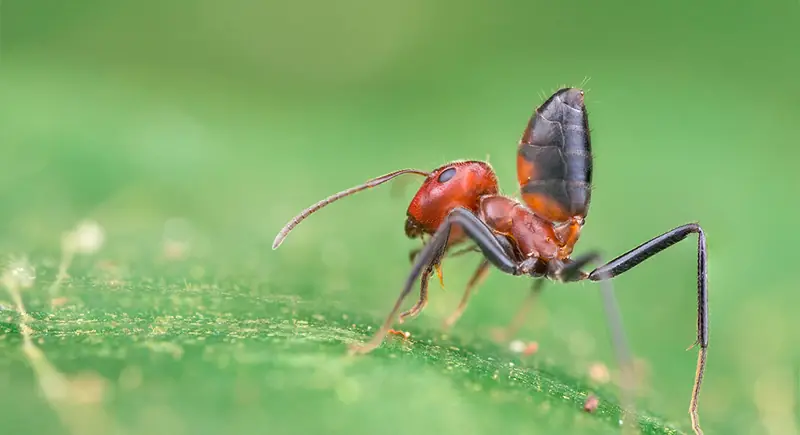
Certain ants, like the Colobopsis saundersi, use a self-destructive defense mechanism. When threatened, they explode, releasing sticky, toxic substances to repel predators. This dramatic sacrifice highlights their commitment to the colony’s survival but seems shockingly extreme for such small creatures. It’s a fascinating and unsettling survival strategy.
Bury Their Dead
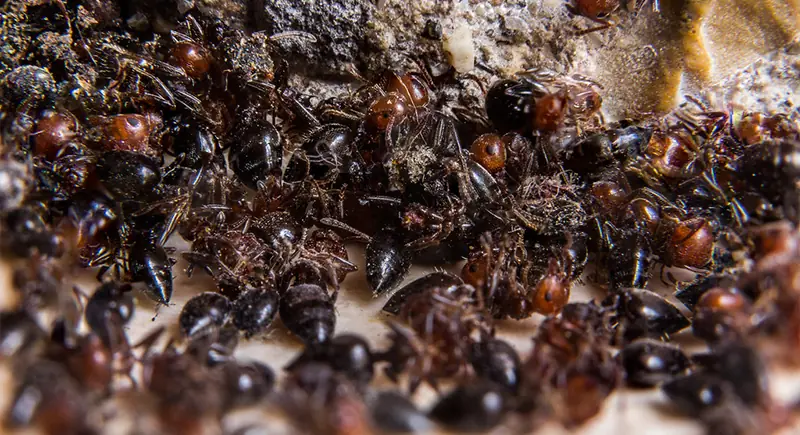
Ants exhibit funeral-like behavior by removing dead members of their colony and placing them in designated “cemeteries.” This prevents the spread of disease and keeps their living spaces clean. While practical, the act of burying their dead gives ants an eerie resemblance to human cultural practices.
Build Rafts With Their Bodies
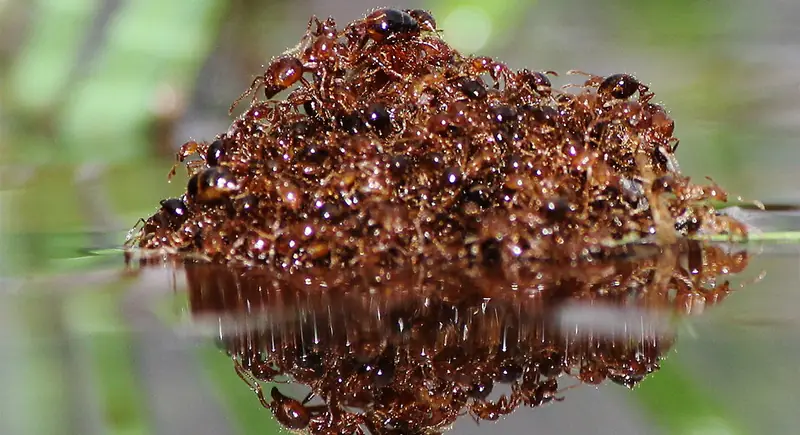
During floods, ants save their colony by building rafts out of their own bodies. The queen stays protected at the center, while workers float across water. Watching a mass of ants functioning as a raft seems surreal but demonstrates their extraordinary survival instincts and cooperation.
Use Slavery
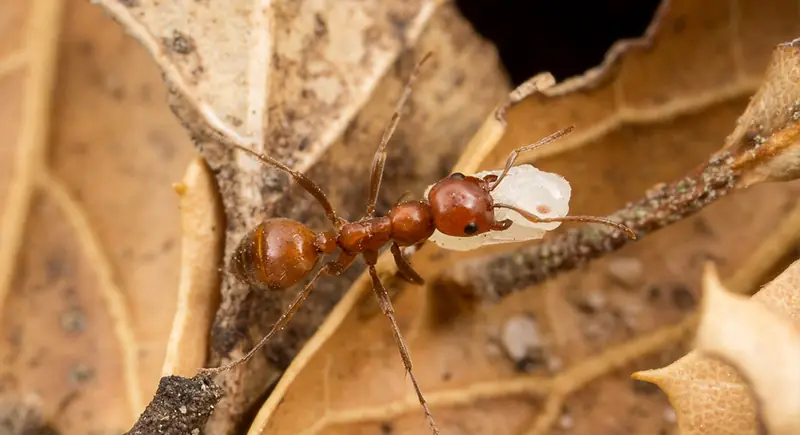
Slave-making ants, such as Polyergus species, raid other colonies to capture workers. These enslaved ants perform tasks like gathering food and tending to their captors’ young. This behavior is brutal yet highlights the complex and competitive dynamics in ant societies, where even forced labor is used for survival.
Plant Seeds
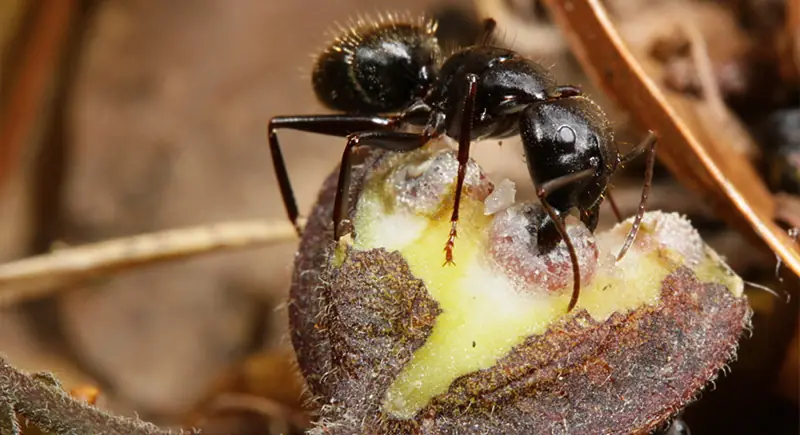
Ants inadvertently act as gardeners by carrying seeds back to their nests. They discard unwanted seeds, which then germinate in nutrient-rich areas. This behavior supports plant growth and biodiversity, making ants accidental contributors to ecosystems. While helpful, it’s strange to think of these tiny insects unintentionally planting gardens.
Follow Trails to Their Death
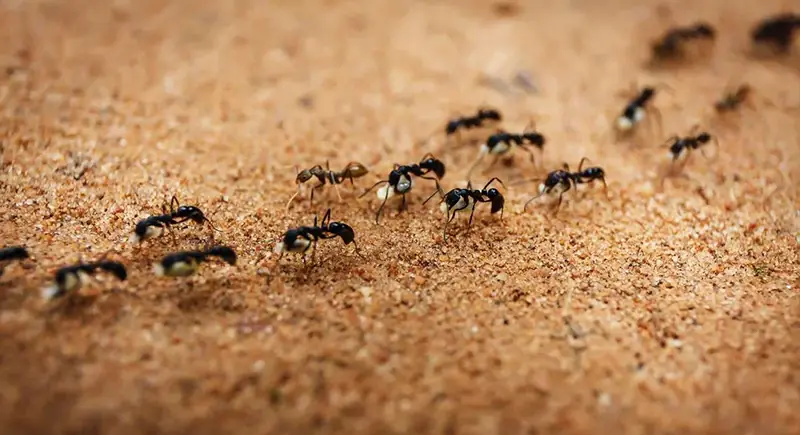
Ants follow pheromone trails for navigation, but this sometimes leads to disaster. In rare cases, ants end up circling endlessly in a phenomenon called the “ant mill,” dying from exhaustion. This bizarre behavior occurs when their normally efficient system fails and becomes a deadly loop.
Clean Their Antennae
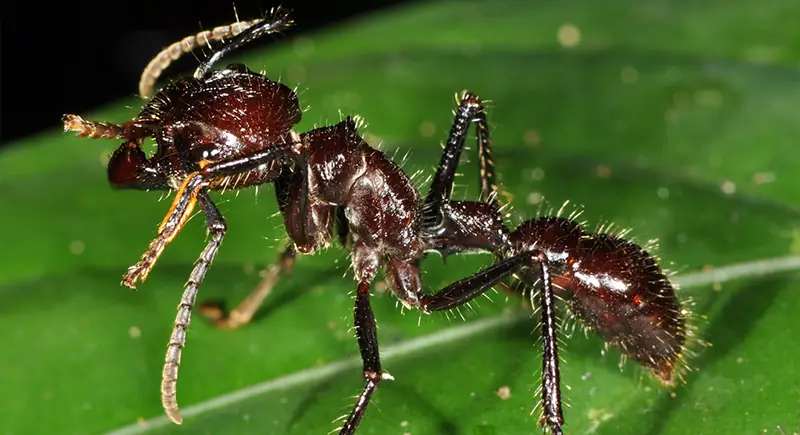
Ants meticulously clean their antennae by running their legs over them, ensuring these sensory organs function properly. Antennae help ants detect food, pheromones, and environmental changes. This odd but essential habit underscores their reliance on precision and hygiene for survival in their complex environments.
Tend to Fungus Gardens
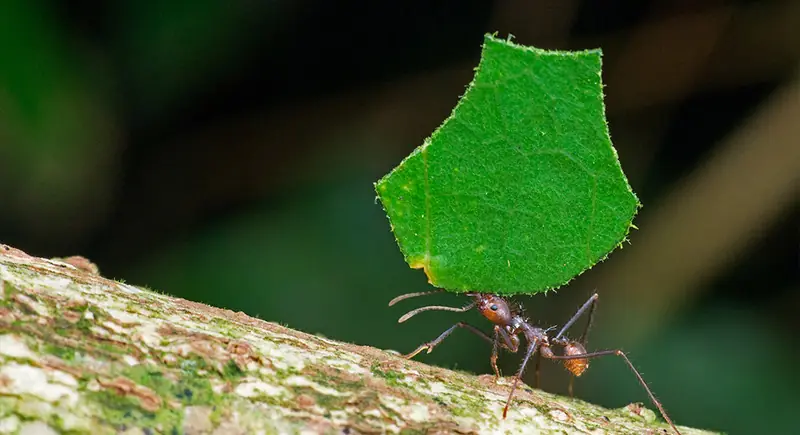
Leafcutter ants cultivate underground fungus gardens by feeding leaves to the fungus, which then becomes their primary food source. This farming behavior resembles agriculture and highlights their ingenuity. The level of care and maintenance they dedicate to these gardens seems extraordinary for such small creatures.
Perform Ant Mating Flights
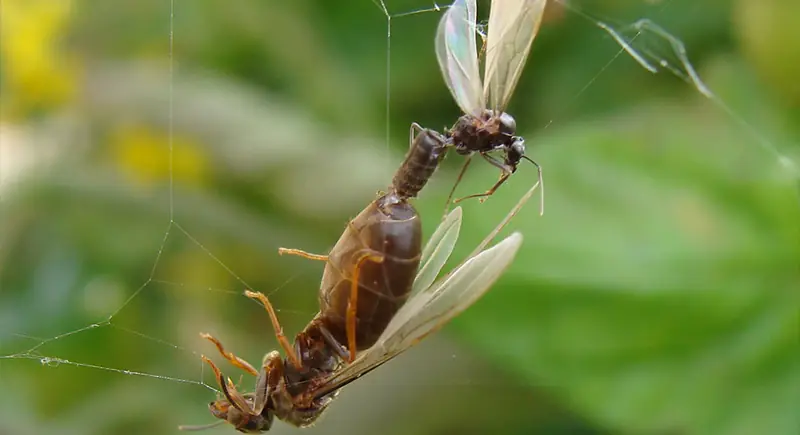
Ants participate in nuptial flights, where swarms take to the sky for mating. After mating, males die, and fertilized queens land to establish new colonies. These synchronized flights involve thousands of ants, making the skies look invaded, and seem oddly dramatic for such a small-scale reproductive process.
Shrink Their Brains
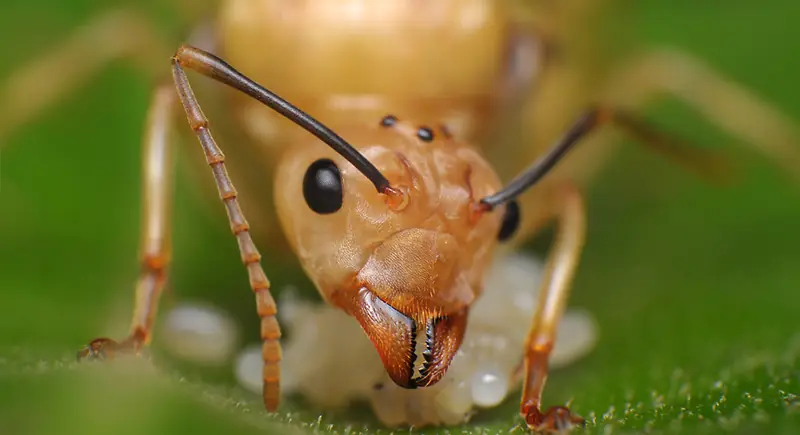
Some queen ants shrink their brains to conserve energy after founding a colony. This trade-off helps them focus resources on reproduction and colony growth. While it seems counterintuitive for survival, it exemplifies the evolutionary adaptations ants have made to optimize their specific roles within their societies.
Store Food in Their Bodies
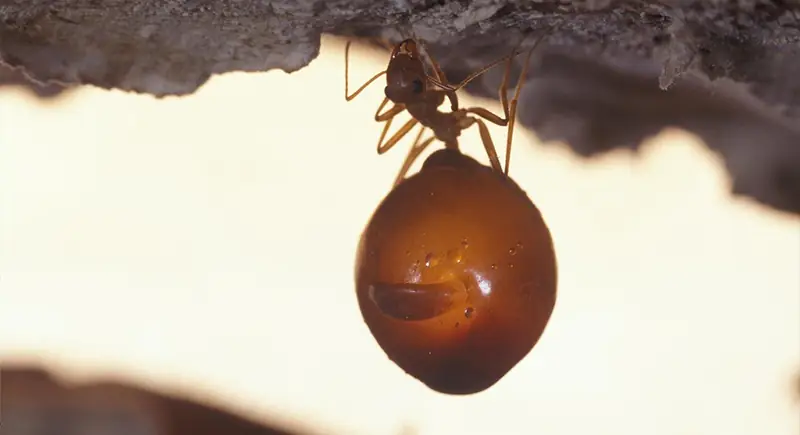
Certain ant species, like honeypot ants, have workers called repletes that store food in their swollen abdomens. These living food reserves ensure the colony survives during scarce times. Watching these ants transform into storage units for survival is both practical and oddly unsettling.
Become Zombies
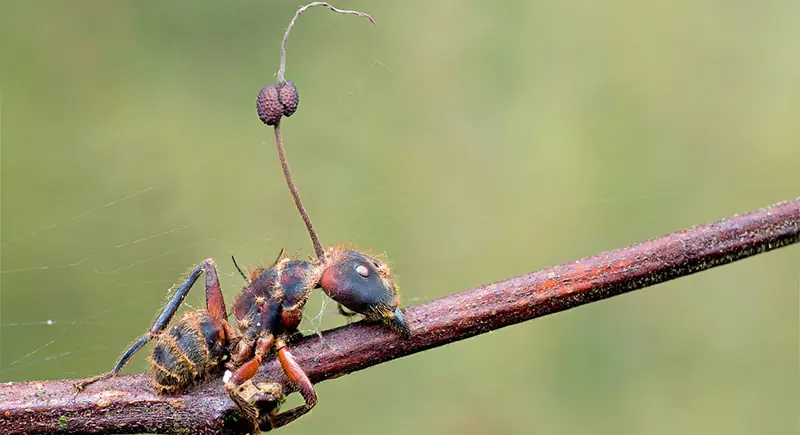
Fungal parasites like Ophiocordyceps infect ants, hijacking their bodies and behaviors. The fungus compels the ant to climb to an ideal location before dying, where the fungus can release its spores. This “zombie ant” phenomenon is both disturbing and a testament to the strange dynamics of parasitism in nature.
Signal Alarm by Headbutting
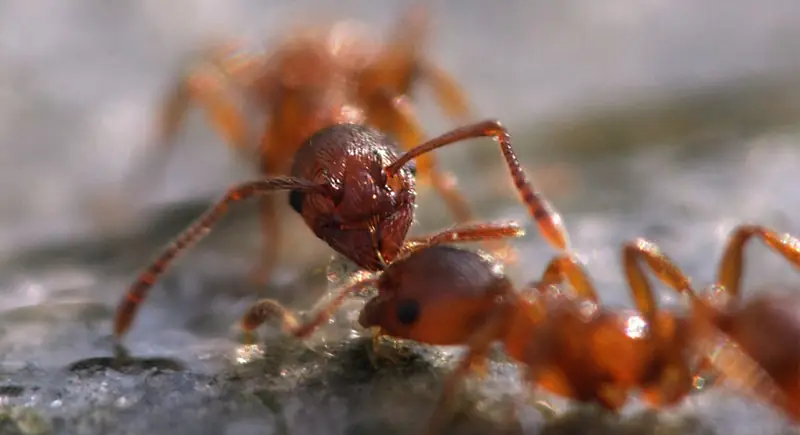
When danger threatens, ants use their heads to tap or “headbutt” other ants, signaling the colony to mobilize. This physical alarm system ensures a fast response to threats. Watching ants use such a direct communication method seems odd but proves incredibly effective for survival.
Use Chemical Warfare
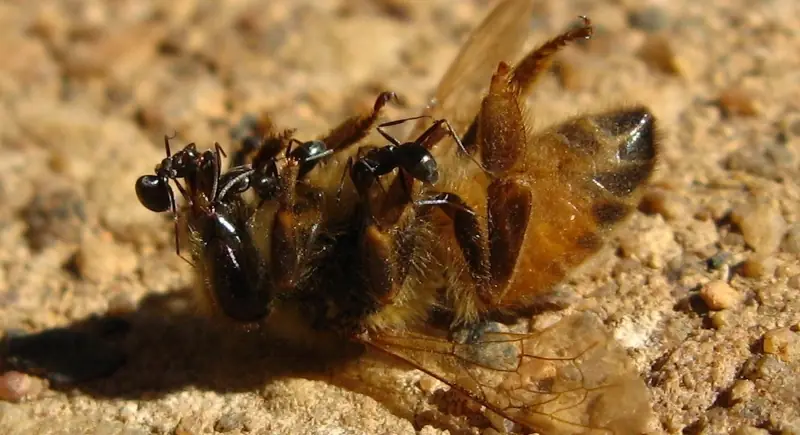
Some ants rely on potent chemical sprays to defend their colonies or overpower rivals. Species like fire ants and Formica ants release acids or venom that can stun, repel, or even kill threats. Watching tiny insects unleash powerful chemical attacks is surprising, but it is one of their most effective survival tactics.
Fake Their Own Death
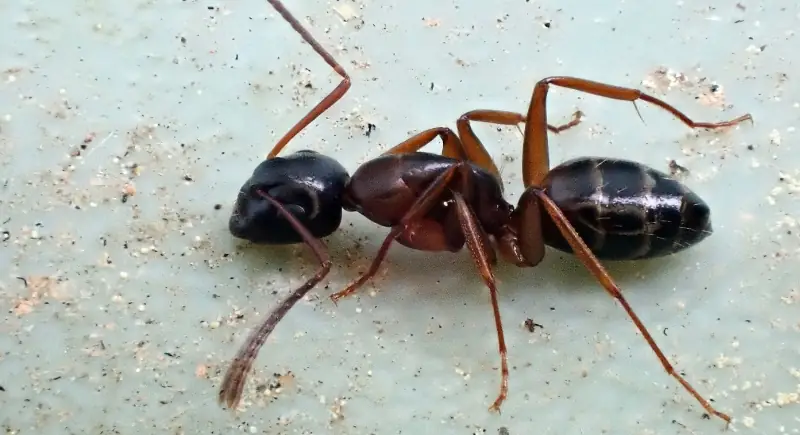
Several ant species use thanatosis, a behavior that looks like playing dead, to avoid predators or survive dangerous encounters. When threatened, these ants freeze completely, making themselves appear lifeless until the danger passes. It is an odd strategy to witness, yet it often saves them from becoming a meal.





