
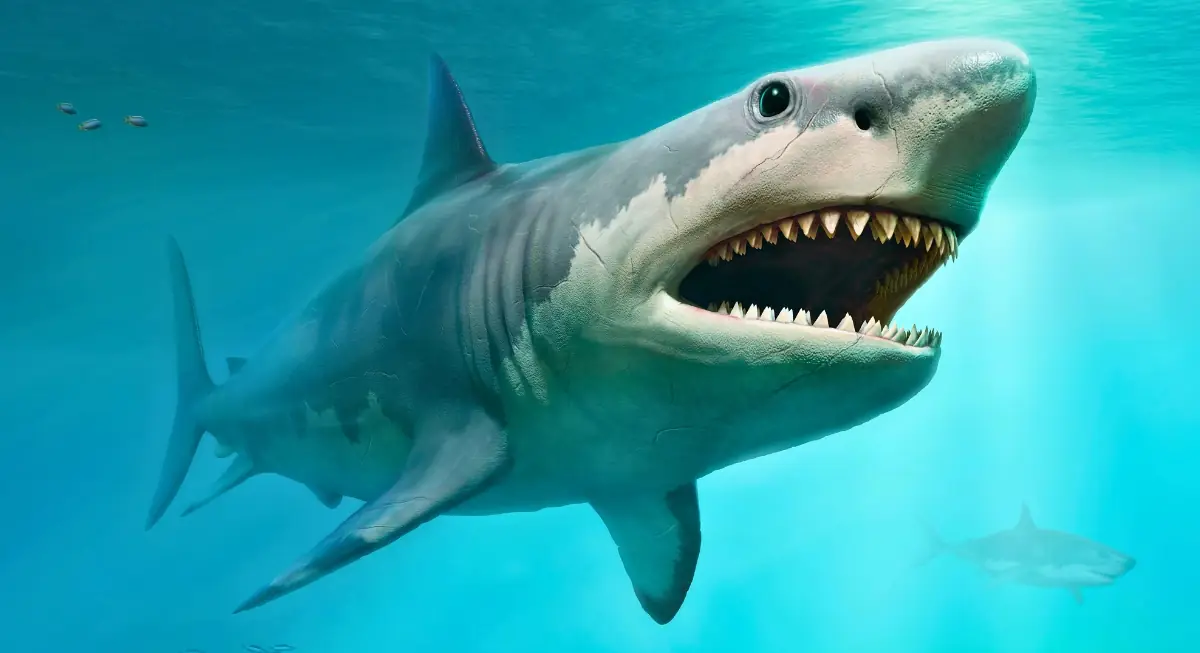
Megalodon usually gets all the attention when it comes to sea monsters, but ancient oceans were full of predators just as strange and scary. Fossils tell us that long before modern sharks ruled the seas, creatures with saw-like jaws, armored skulls, and alien-shaped bodies hunted in waters across the globe.
These animals were built to dominate their environments. If Megalodon gives you chills, these lesser-known sea monsters might surprise you even more.
Ichthyotitan
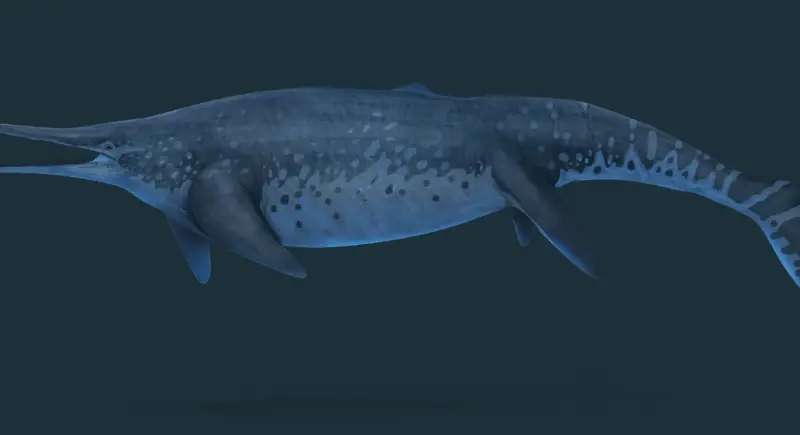
A 2018 discovery in Somerset revealed fossils so massive they were first mistaken for dinosaur remains. Later analysis identified them as part of a new ichthyosaur species named Ichthyotitan. Estimated to be about 25 meters long, it likely dominated Triassic seas much like orcas do today.
Liopleurodon
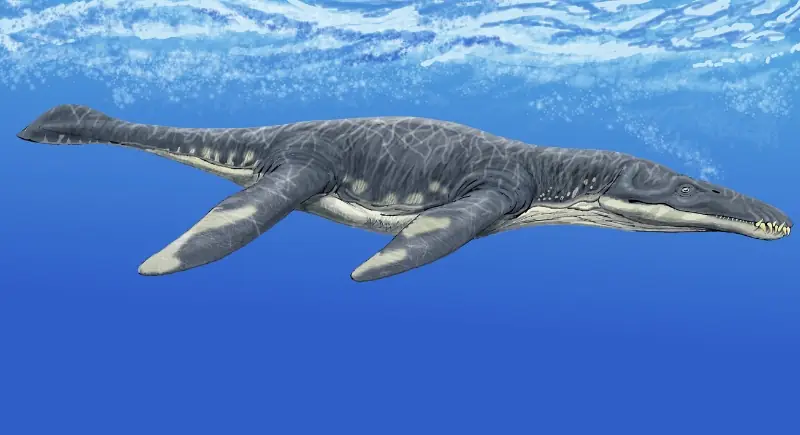
Liopleurodon wasn’t the bulkiest pliosaur, but its body was designed for bursts of speed. Its jaws made up nearly a fifth of its total length, lined with teeth that could slice through squid and soft-bodied prey. Fossils from Jurassic Europe suggest it ambushed its prey rather than chasing them over long distances.
Jaekelopterus
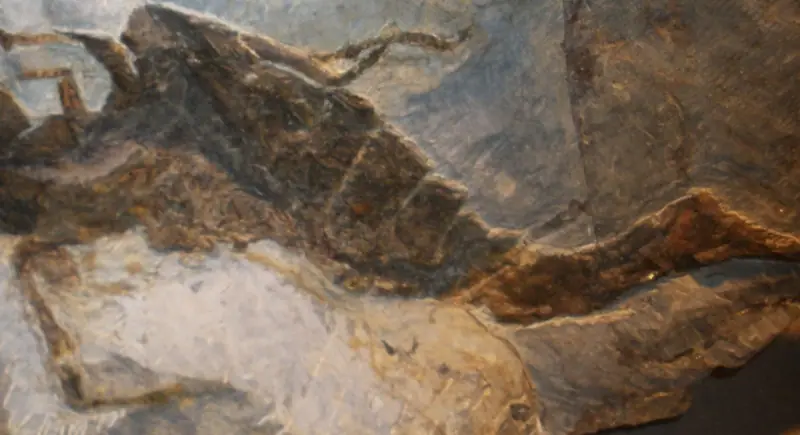
Jaekelopterus was without bones and jaws, nor did they need them. This massive arthropod used clawed limbs to seize prey, which included jawless armored fish. It reached lengths close to 8 feet and likely dominated coastal river systems more than 400 million years ago. No invertebrate has grown bigger since.
Dunkleosteus
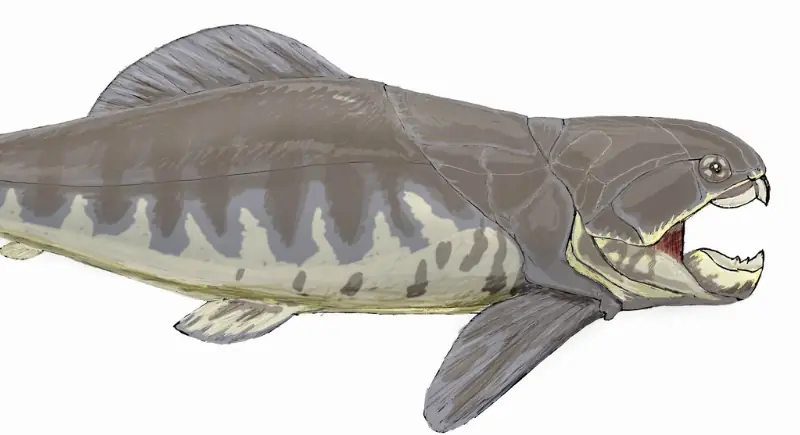
Instead of teeth, Dunkleosteus had sharpened jawbones that clamped together with immense force. These jaws, paired with a front end covered in thick armor, gave it an edge during the Devonian period. Fossils sometimes show bite marks on other Dunkleosteus skulls, which suggests that it might have occasionally turned on its own kind.
Helicoprion
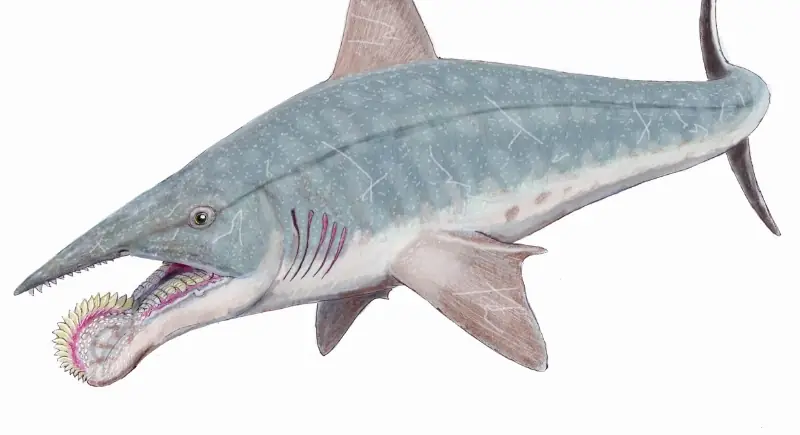
For decades, scientists couldn’t figure out what to make of Helicoprion’s spiral teeth. Some thought it was a weapon outside the mouth. Others thought it was a nose feature. It’s now believed the whorl sat inside the lower jaw, which functioned like a circular saw that dragged prey inward as it closed.
Basilosaurus
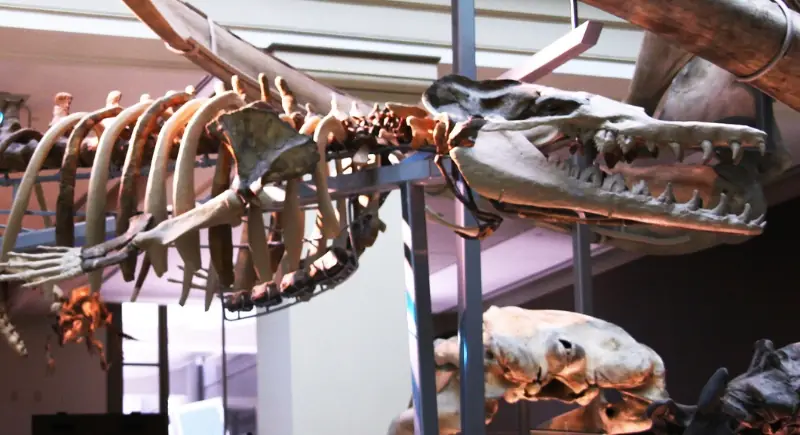
Though it reached lengths of 20 meters, Basilosaurus wasn’t a reptile but an early whale. Its eel-like movement and long snout set it apart from modern cetaceans, but internal anatomy reveals mammalian traits. Fossilized stomachs and skulls indicate it killed prey by head trauma, including smaller whales like Dorudon.
Tullimonstrum
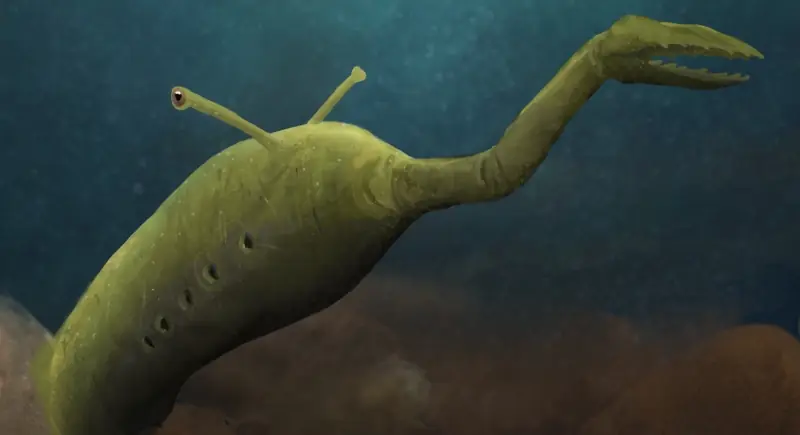
Tullimonstrum was discovered in the 1950s, and its exact classification is still under debate. Its body was soft, segmented, and barely a foot long. It had stalked eyes and a long, jawed proboscis. Some experts think it’s a vertebrate, others argue it fits better with mollusks or arthropods. No one’s nailed it down yet.
Rhizodus
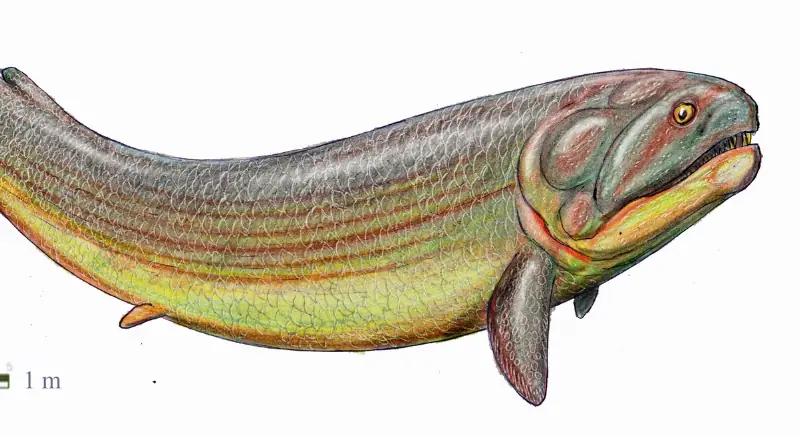
This prehistoric fish didn’t roam oceans. It haunted freshwater environments. Rhizodus measured over 16 feet long and had fang-like teeth nearly 8 inches long. Its closest relatives are four-limbed vertebrates. Paleontologists think it ambushed prey near the water’s edge, like a crocodile with gills.
Lyrarapax Unguispinus
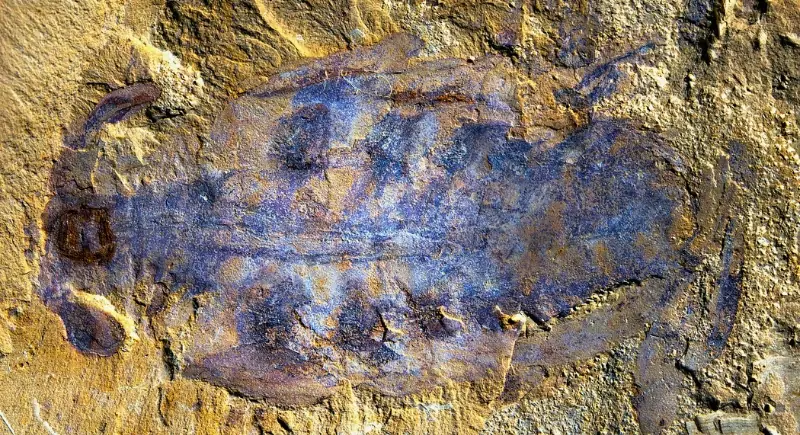
Some predators take time to grow into their features. Lyrarapax didn’t wait. Even fossilized juveniles show fully formed spiny limbs that they used to catch prey. Active from birth, these animals exerted pressure on early Cambrian ecosystems, forcing other species to adapt quickly or vanish from the evolutionary scene.
Tylosaurus
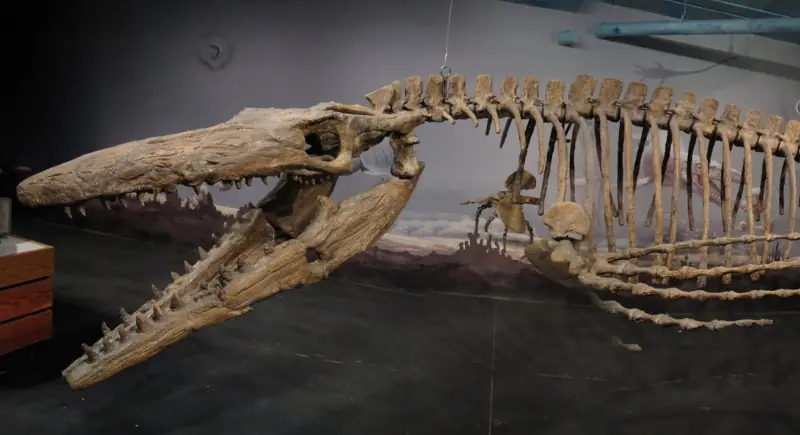
Tylosaurus, one of the largest mosasaurs, likely stunned prey with its blunt snout before delivering the killing bite. It reached lengths of 40 feet and hunted in North America’s inland sea during the Cretaceous. Evidence suggests it ate fish, sea turtles, other reptiles, and possibly birds that dove too deep.





