
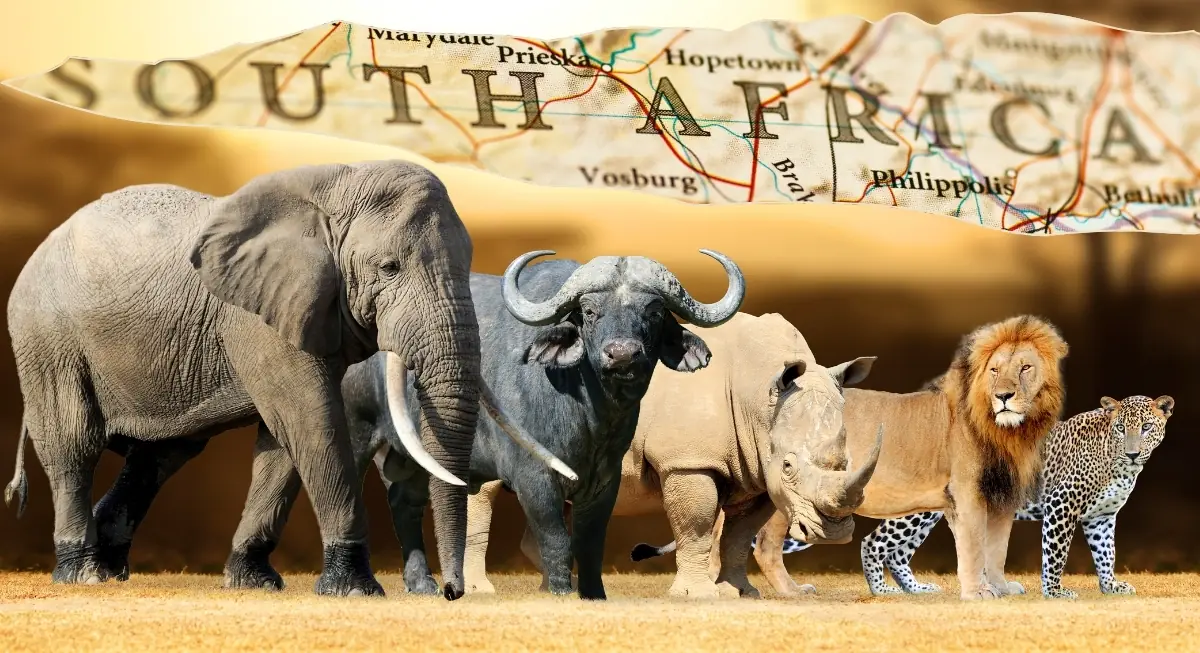
You’ve probably heard of Africa’s Big Five; lion, leopard, elephant, rhino, and buffalo. But beyond the dramatic wildlife photos and safari brochures, there’s a lot more to these animals than meets the eye. Here are a few surprising facts that might just change how you see them.
Strength in Numbers
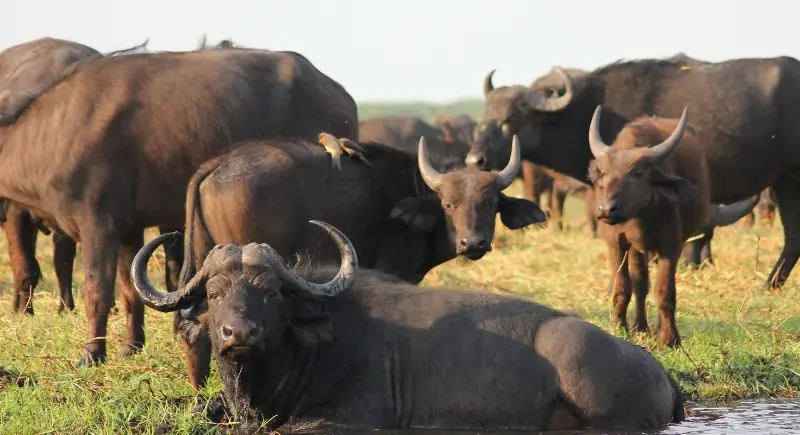
Cape buffaloes are incredibly strong, said to be four times as powerful as an ox. They’ve been known to overturn vehicles and confront lions head-on. But these formidable grazers also show care for each other, using grooming as a way to bond and reduce stress within the herd.
Tiptoe Giants
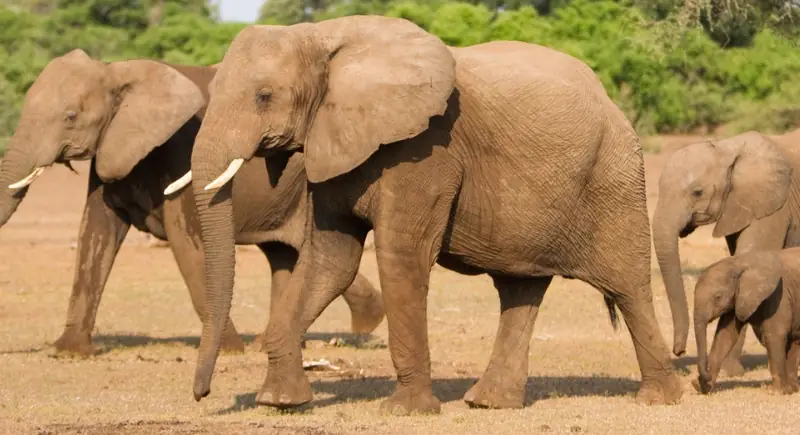
Elephants may weigh several tons, but their feet are designed for quiet movement. They walk on their toes, supported by a cushion of fatty tissue that softens each step. This unique structure allows them to move gracefully and nearly silently across grasslands, forests, and even rocky ground.
Dung Diaries
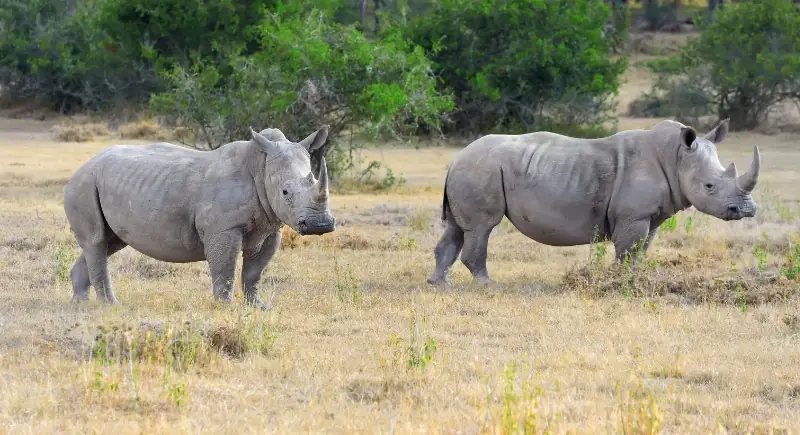
White rhinos communicate by depositing dung in shared piles called middens. These sites then serve as social bulletin boards. They tell others about the rhino’s age, sex, and reproductive status. Some middens grow to over 60 feet across, helping individuals mark territory and keep tabs on neighbors.
Arboreal Athletes
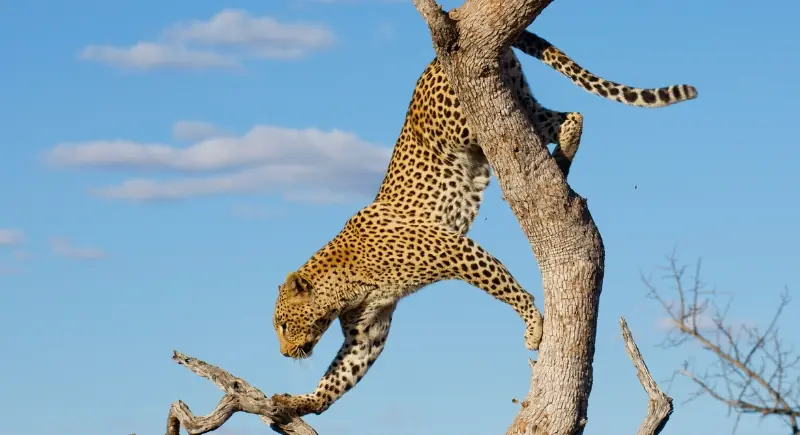
Tree climbing is a survival strategy. Leopards use their powerful limbs and flexible shoulder joints to drag heavy prey into trees. This behavior helps protect their meals from scavengers like hyenas and lions while giving them a peaceful place to feed without interruption.
Subsonic Conversations
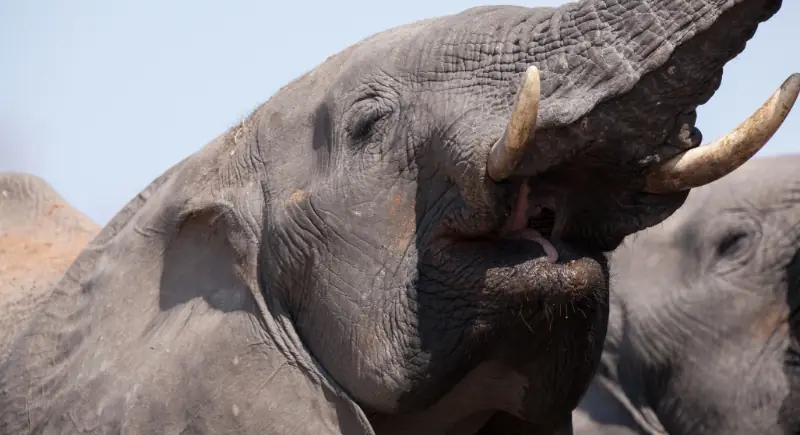
Elephants communicate through infrasound, a deep rumble that travels over several miles. These low-frequency sounds are too deep for humans to hear but allow elephants to stay in contact across vast distances. They use these calls to warn of danger, find mates, and keep family groups connected.
Social Spa
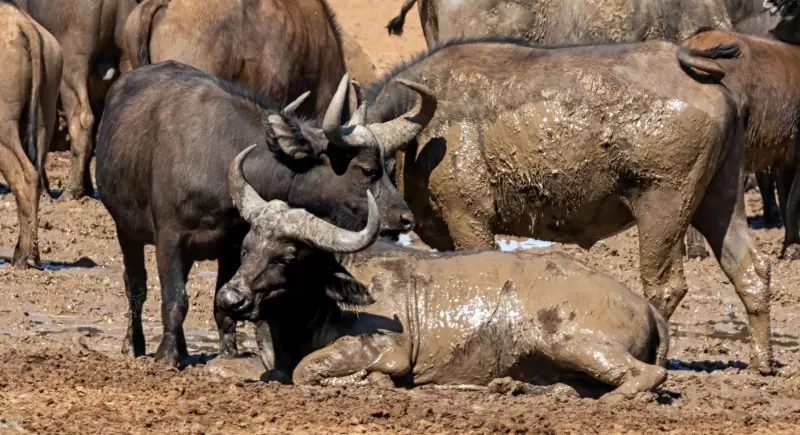
While they enjoy social grooming, the Cape buffalo’s most distinctive feature is its “boss” – the thick bone shield where its horns meet. This helmet-like structure is so dense it can even deflect a bullet. It grows stronger with age, serving as essential armor during the high-impact head-butting contests used to establish herd dominance.
Aquatic Felines
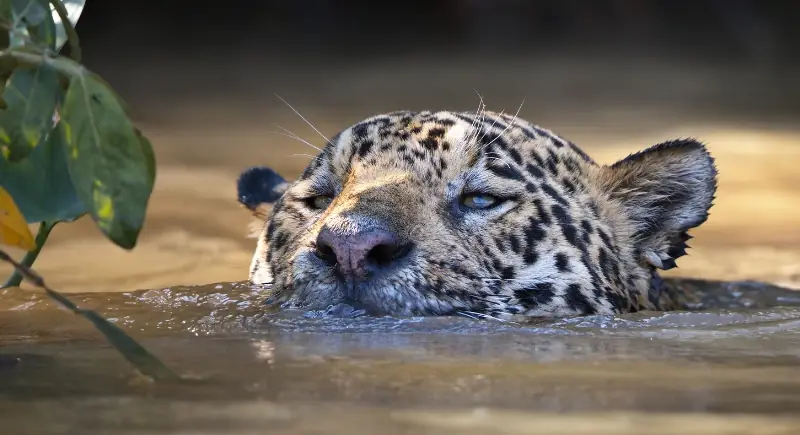
Leopards are more versatile than many people assume. They can swim with ease and will cross rivers or flooded grasslands when needed. This skill allows them to pursue unusual prey like crabs or fish and makes them one of the most adaptable big cats across African ecosystems.
Seed Sowers

Elephants play a vital role in forest regeneration. After eating fruits and vegetation, they walk long distances before depositing seeds in their dung. These seeds often germinate in the nutrient-rich waste and help maintain biodiversity and support tree growth in areas where few other animals can spread seeds effectively.
Mane Messages
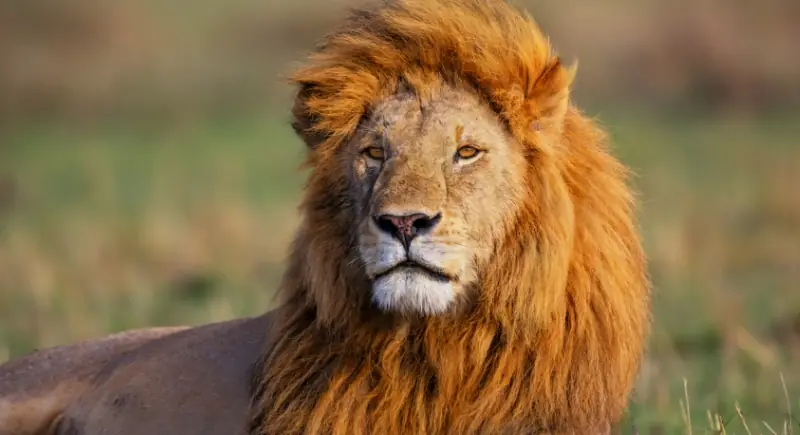
The mane of a male lion can say a lot. Dark, thick manes often suggest good health and higher testosterone levels, which can intimidate rivals and attract females. Beyond appearance, the mane also offers physical protection during fights, especially around the head and neck area.
Sensory Compensation
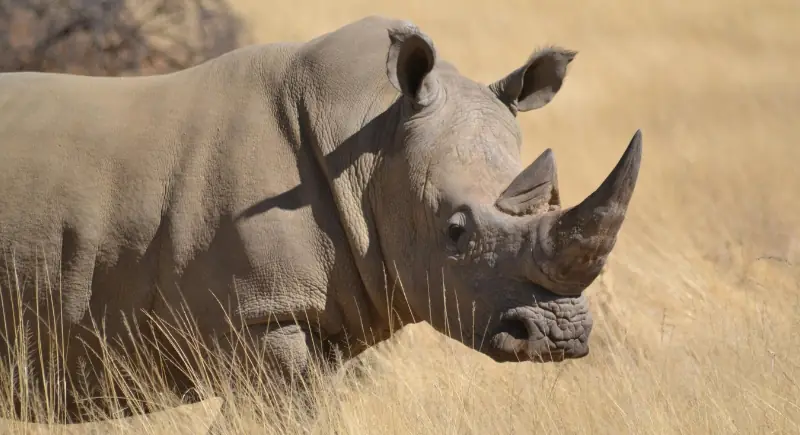
Rhinos have weak vision, which can lead them to charge at unfamiliar shapes. However, their sense of hearing and smell are highly developed. Their ears rotate to catch sound from different directions, and their noses detect scents from far away.
Protective Circles
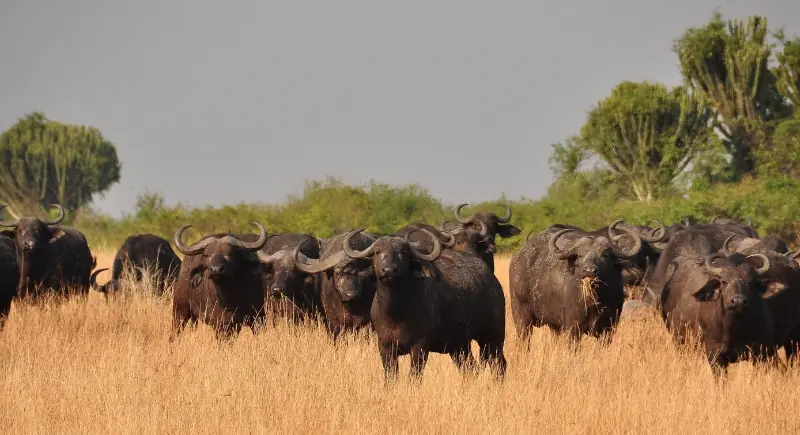
When threatened, Cape buffaloes form tight circles with the vulnerable in the center and the strongest on the outside. This defensive strategy deters predators and helps protect calves. There are even cases of buffalo returning to rescue captured herd members or attacking lions after one of their own is killed.
Mourning Giants
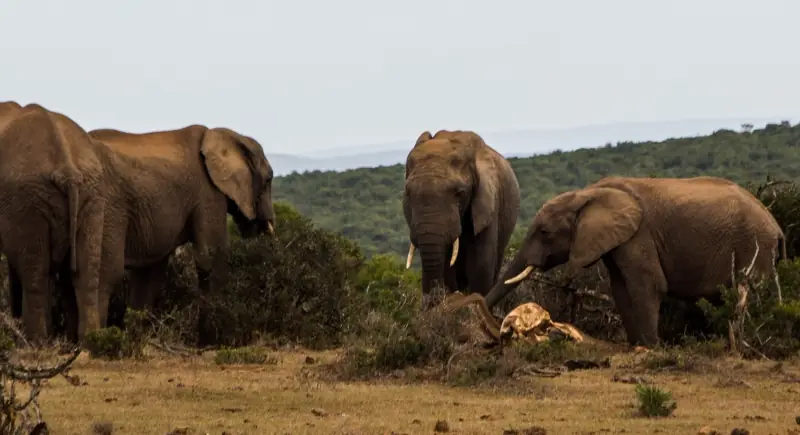
Elephants show remarkable emotional intelligence. They have been observed returning to the bones of dead companions, gently touching them and remaining quiet. Some even revisit carcass sites years later. These behaviors indicate memory, grief, and a depth of social connection rarely seen in other animal species.
Vocal Variety
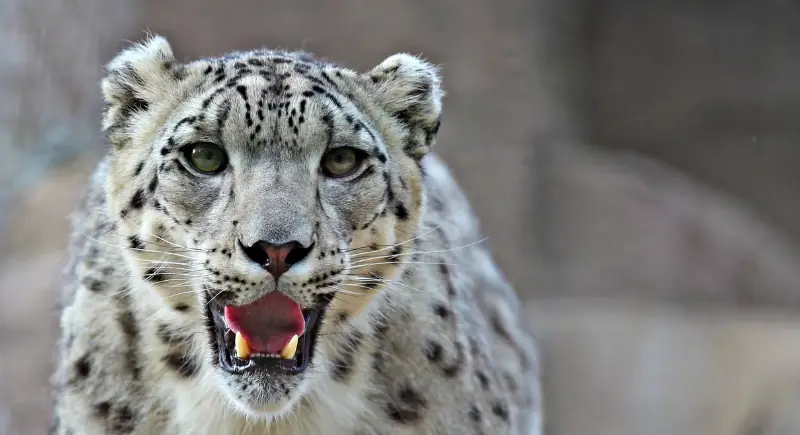
Leopards do not roar like lions. Instead, they produce a distinctive rasping cough, which is often used to announce their presence. They also hiss, growl, and make low purring sounds during interactions with rivals or potential mates.
Regenerative Horns
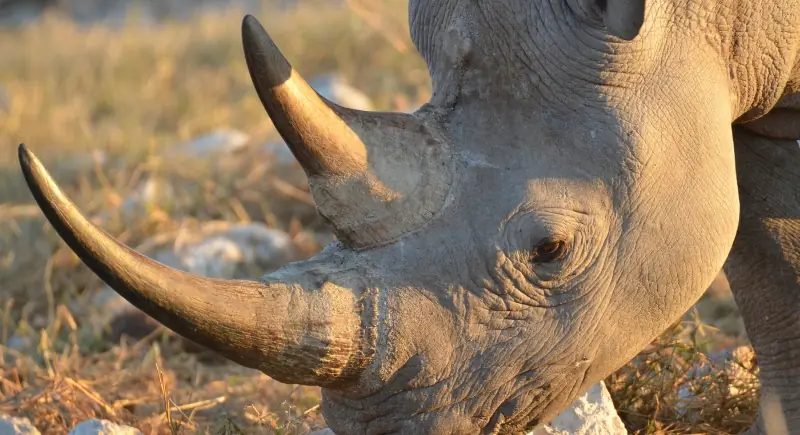
Since rhino horns are made of keratin, they grow continuously. When removed safely, the horn can regenerate over time. This natural feature has led to the practice of dehorning in some reserves in an attempt to protect rhinos from poachers.
Elephant Infants and Trunk Sucking
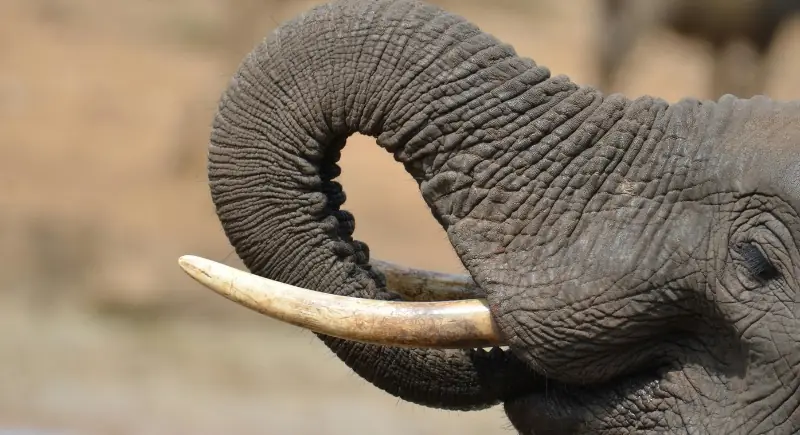
Like babies who suck their thumbs for comfort, young elephants are often seen sucking on their trunks. This behavior helps calves learn how to control the complex muscles in their trunks, which contain over 40,000 individual muscles and are essential for feeding, drinking, and social bonding.
Night Vision Advantage
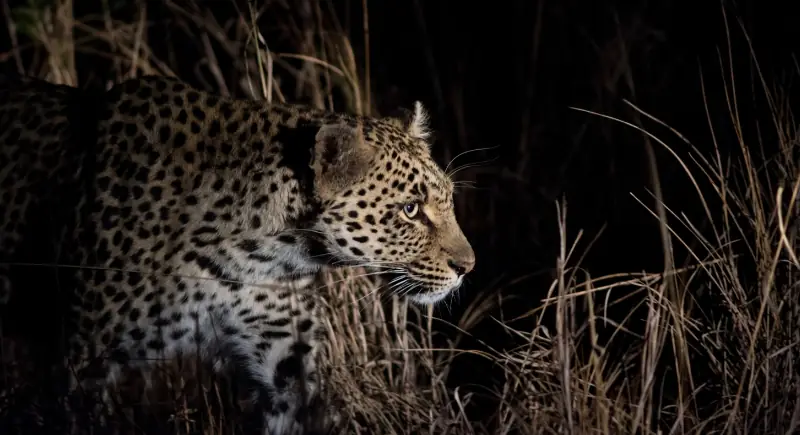
Leopards and lions have impressive night vision, allowing them to hunt with ease when the sun sets. Their eyes are adapted to low light, giving them an edge over prey that relies more on sight. This nocturnal advantage lets these predators roam confidently in the dark while their prey struggles to see in the dark.
Lion Nap Schedule
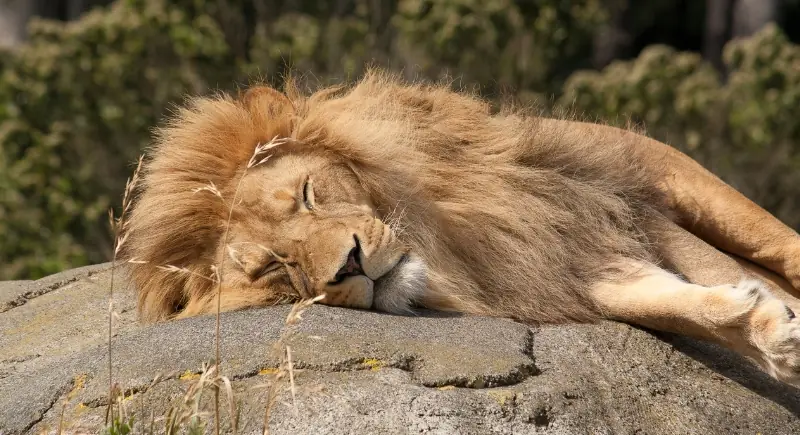
Lions are known for their long naps, often sleeping up to 20 hours a day. This rest is essential for conserving energy, especially for females, who do the majority of the hunting. Despite their reputation as fierce predators, lions enjoy a leisurely lifestyle, resting between meals to stay strong for the hunt.





