
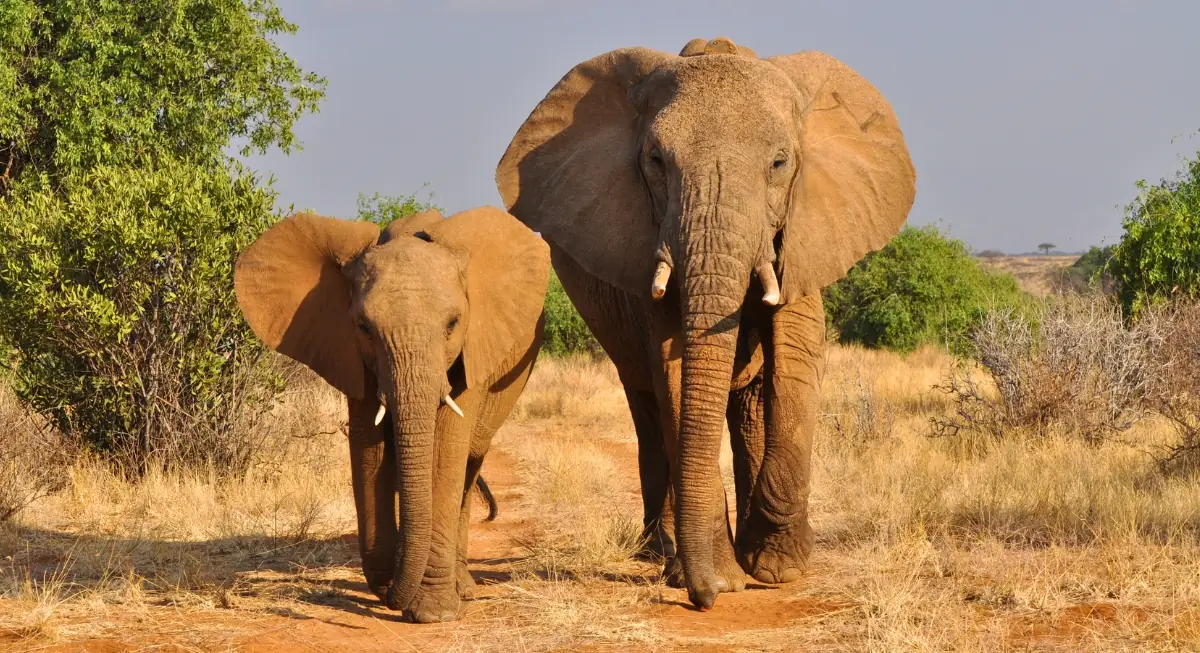
Elephants seem easy to figure out with their big bodies, long trunks, and always walking in slow groups. But they’re not simple animals. Behind the usual facts are habits, abilities, and instincts that don’t show up in cartoons or museum signs. These are the details that often get missed.
A Trunk Without a Single Bone
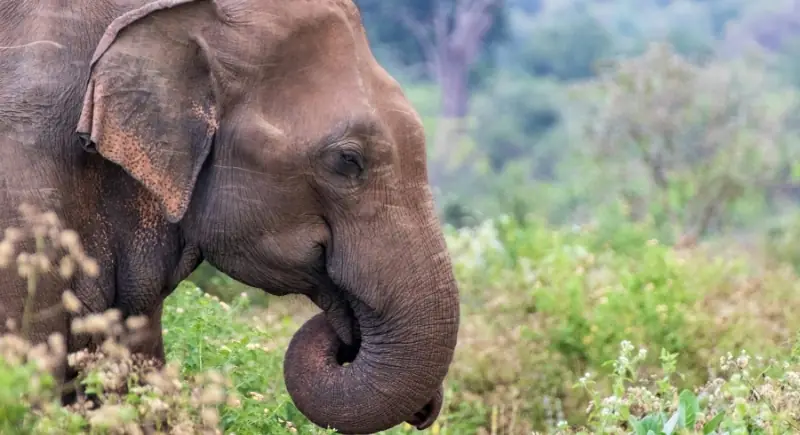
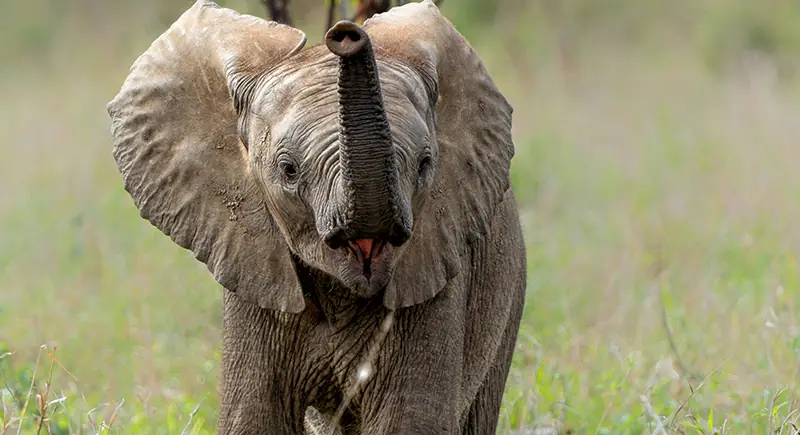
What looks like a flexible tube is actually a dense structure of over 40,000 muscle units. That’s why elephants can lift tree limbs or gently grab a single leaf. It takes young ones years to develop full control, and until then, the trunk often behaves more like a flailing rope.
Communication That Travels Through the Ground
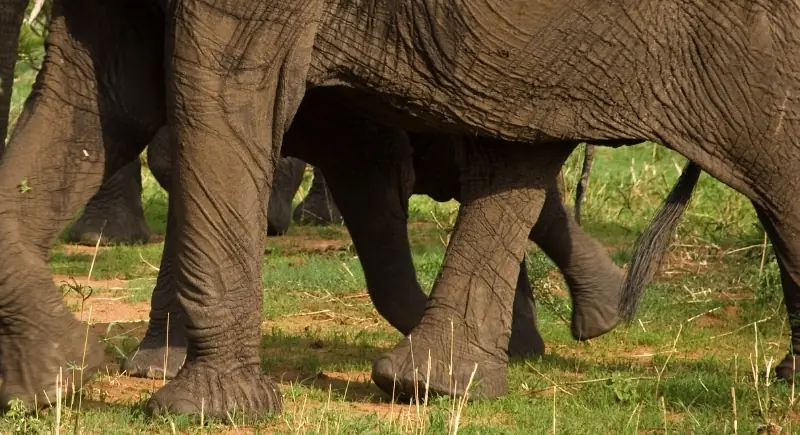
Rather than always relying on vocal sound, this animal often sends low rumbles into the earth. Elephants’ feet pick up the subtle vibrations, which register through bone and tissue. This is why movement from another group or a distant storm can be detected long before anything is seen or heard.
Dirt Serves a Protective Purpose
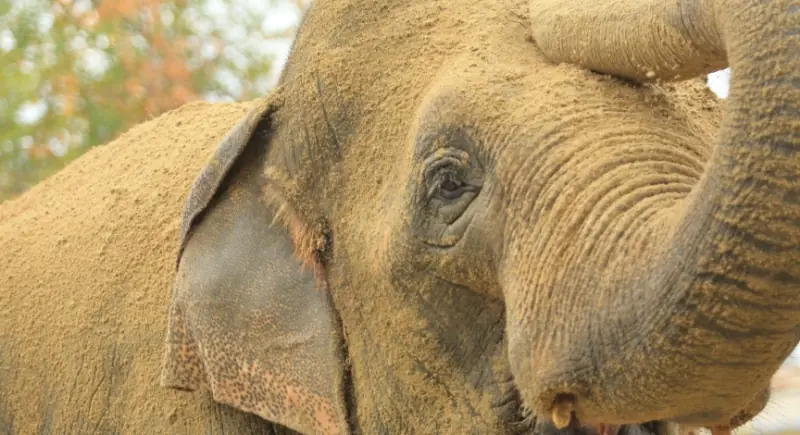
A coating of dust on elephants isn’t about being messy. After rinsing in a waterhole, these creatures will often cover themselves in soil for a practical reason. This layer helps shield the skin from sun exposure and discourages insects. Adults frequently assist younger members who haven’t mastered the routine.
Tusks Don’t Appear in Every Herd Member
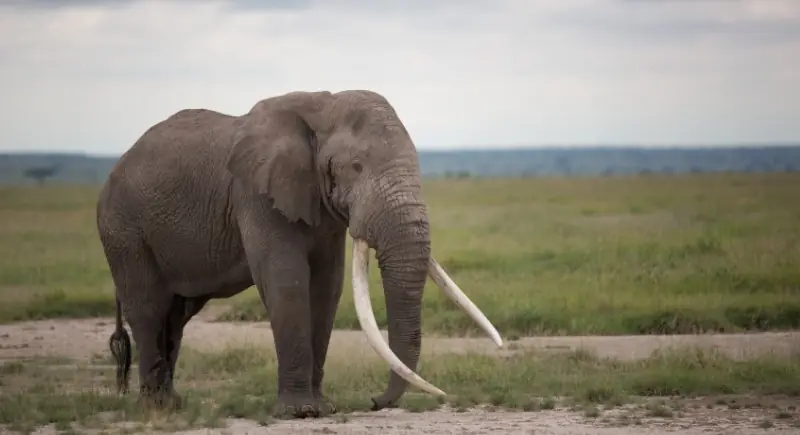
In many Asian elephant groups, the females don’t grow tusks at all. Some males barely do either. Over time, especially in areas hit hard by poaching, more elephants are showing up tuskless. It’s not by chance. When hunters keep targeting animals with big ivory, the ones without it end up surviving and passing along that trait.
One of Nature’s Most Inefficient Digesters
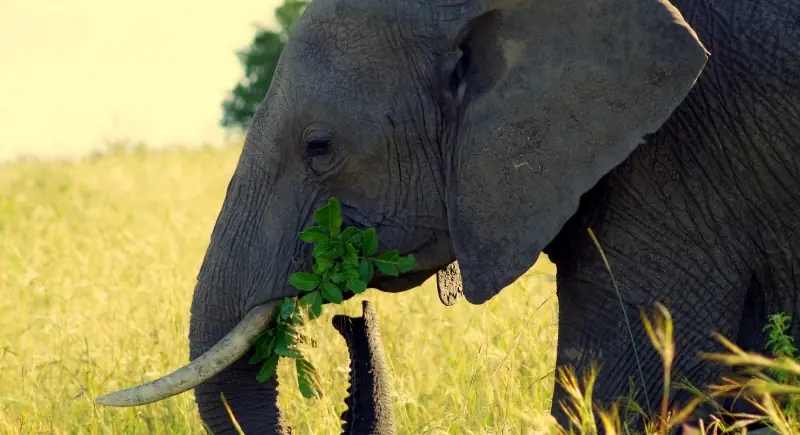
Huge quantities of vegetation pass through an elephant’s digestive system with limited absorption. The result is hundreds of pounds of nutrient-rich dung scattered across wide ranges. Seeds and plant matter within this waste play a major role in renewing ecosystems and shaping plant diversity.
They Can Tell Who’s Worth Worrying About
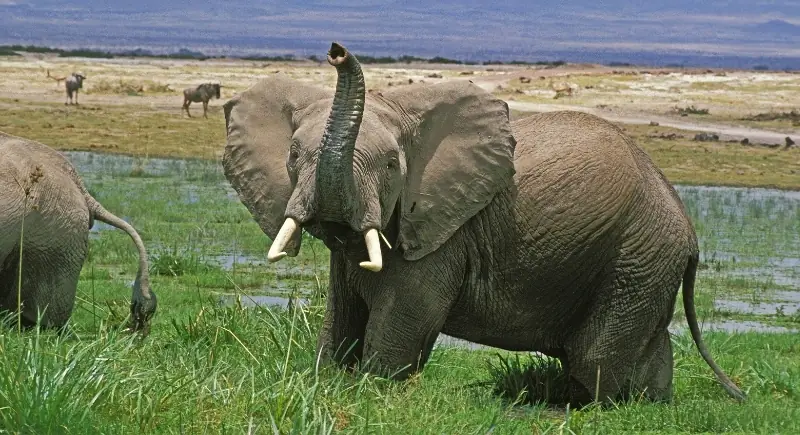
When researchers played voice recordings to herds in Kenya, the elephants’ reaction was quick. A deep male voice from a known hunting group made the animals group up and sniff the air. But when the same language came from women or kids, they barely looked up.
Swimming Comes Naturally in Deep Water
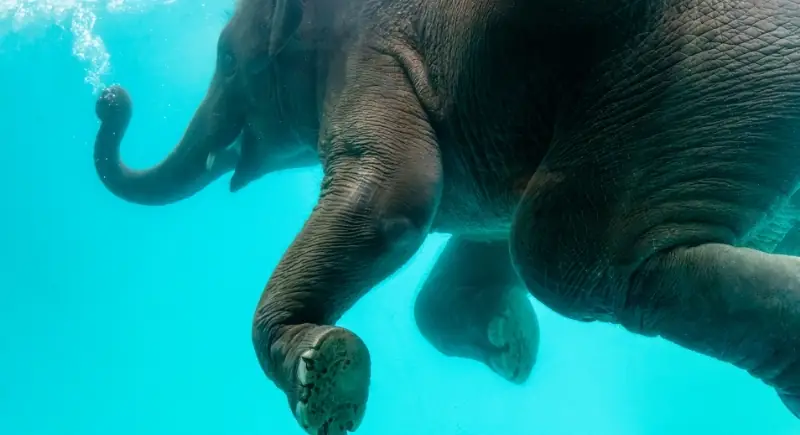
When crossing rivers or lakes, elephants rely on their strong legs to paddle steadily. Buoyancy helps keep them afloat for long periods. The trunk functions as a breathing tube while the rest of the body moves below the surface. This ability is vital during seasonal migrations.
Calves Use Their Trunks for Comfort
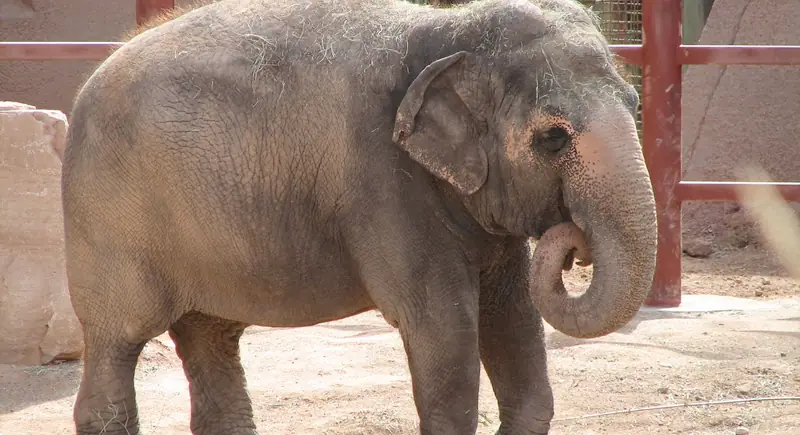
Very young elephants have been seen sucking on their trunks much like human infants with thumbs. It helps reduce stress and builds coordination. As they age, the habit fades and is replaced by confident use of the trunk for feeding, touching, and exploring.
They Seem to Know When the Fruit Is Ready
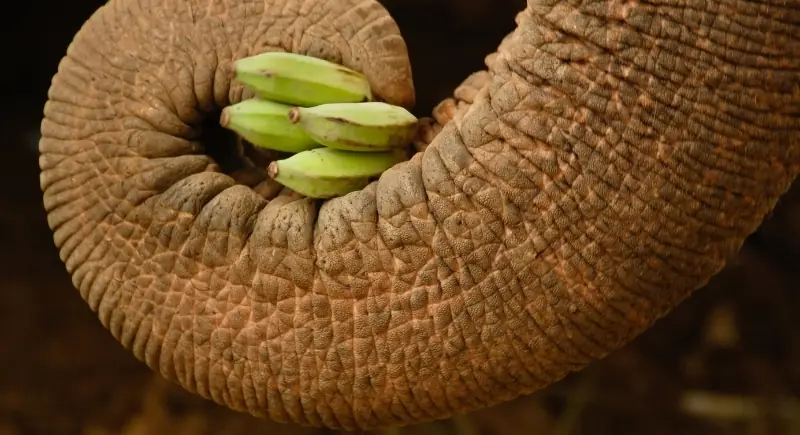
Observers have watched herd leaders arrive at fruiting trees just as the fruit ripens. These well-timed arrivals aren’t lucky guesses; they reflect years of experience and memory. Knowing when and where to go helps the group find food during dry spells or shifting seasonal conditions.
The Pulse Is Slower Than Expected
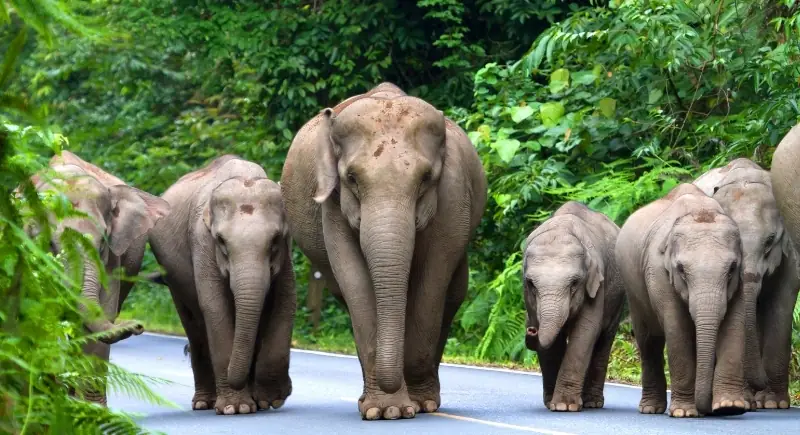
This large-bodied creature runs on a surprisingly calm system with a resting heart rate of 27 beats per minute. Slow circulation supports a cooler body temperature and sustained movement over long distances. It suits a life that doesn’t rely on speed but on endurance.
Newborns Don’t Start Small
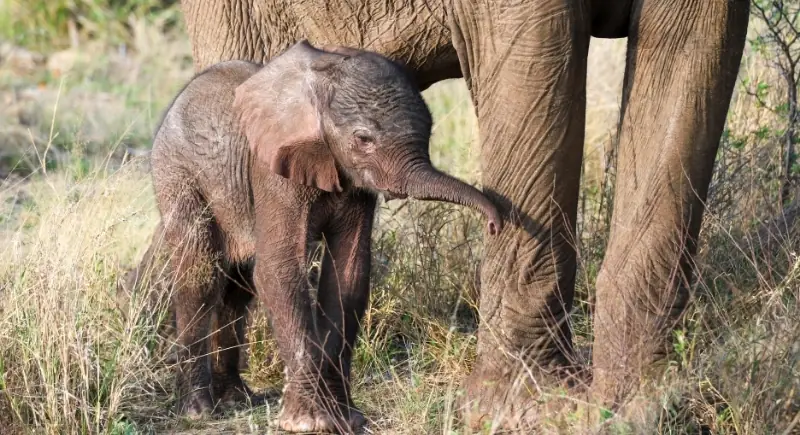
At birth, a calf already weighs as much as a vending machine—around 200 to 300 pounds. After nearly 22 months in the womb, it stands up within an hour and starts moving soon after. Adult herd members stay close and offer protection during those early, unsteady days.
They Don’t Leave a Friend Hanging
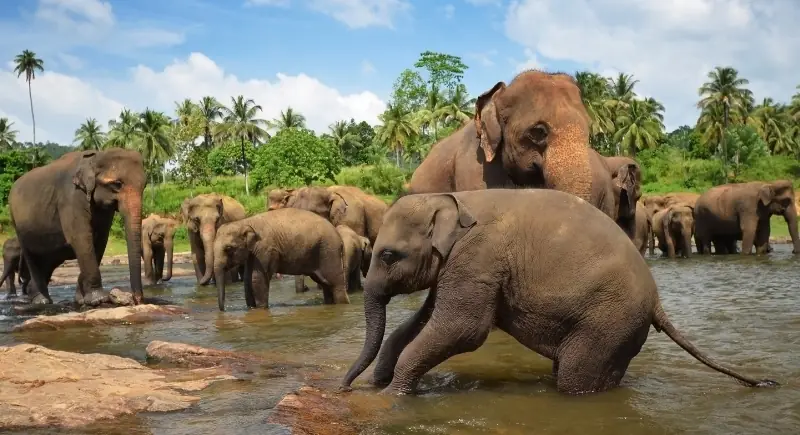
When one member shows signs of stress, other elephants notice right away. Some respond with gentle rumbles, others move in close or offer a reassuring trunk touch. They show emotional awareness and a close-knit social structure built on trust and lasting relationships.
Stress From Trauma Can Persist for Life
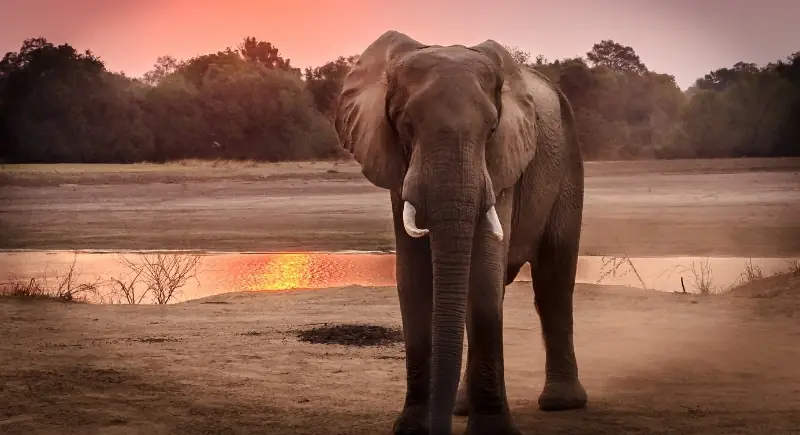
Orphan elephants raised after violent events like poaching often display unusual behavior. Some show anxiety or aggression years later, even in safety. Adults rescued from harmful conditions may carry those emotional imprints indefinitely. This means that their memory holds onto more than just locations and sounds.
A Tiny, Furry Cousin Lives Among Rocks

Believe it or not, the rock hyrax, often mistaken for a rodent, is actually this elephant’s closest living relative. Despite the difference in appearance and size, shared traits like tooth structure and toe shape point to an ancient common ancestor. Evolution sent them on opposite journeys, but the connection remains.
They’re Surprisingly Good at Taking Directions
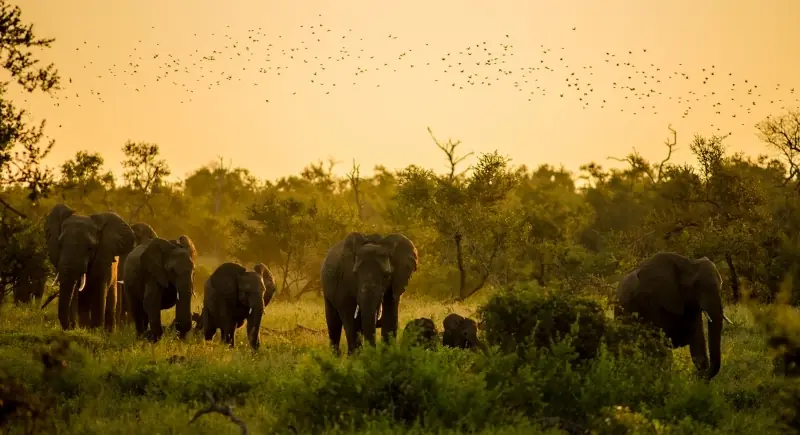
In care settings, these animals have learned to respond to more than 60 spoken commands. They follow cues for movement, simple tasks, and routine care. What’s impressive isn’t just recall; it’s their knack for picking out subtle sound differences and responding with accuracy that often catches handlers off guard.
Elephants Can Recognize Themselves in Mirrors
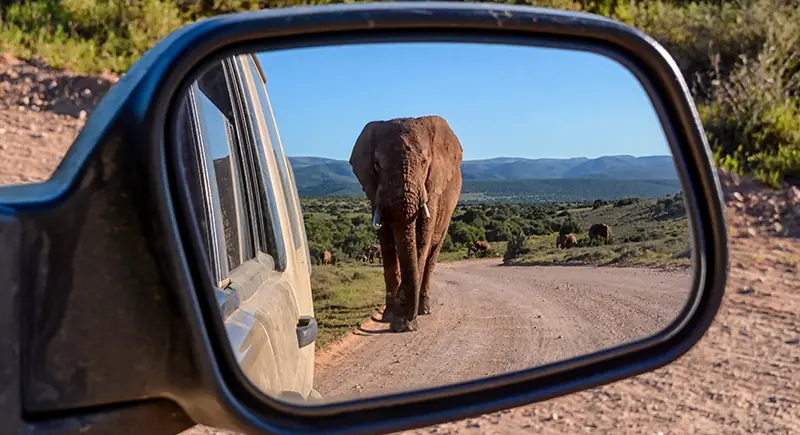
Place a mark on an elephant’s forehead, then give it a mirror. Some will inspect the reflection, move their trunks toward the mark, and touch the spot on their own heads. That response is rare in animals. It suggests the elephant understands that the face in the glass belongs to itself.
Elephants Have Distinct Individual Voices
A herd may sound like a wall of rumbles, but each elephant brings its own voice. Pitch, rhythm, and tone carry clues about who is calling. Family members can pick out familiar individuals from recordings, even when the caller is out of sight. One rumble can reveal exactly who is nearby.





