
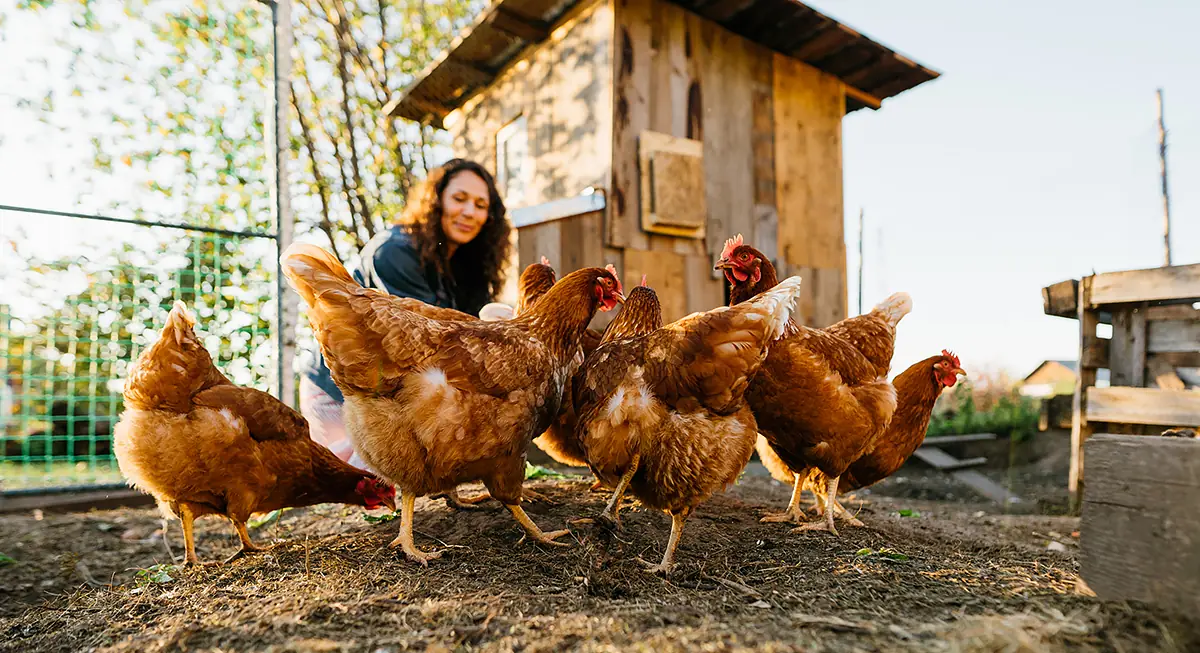
Chickens aren’t just egg-laying machines—they’re social, sensitive animals with needs that go beyond food and shelter. Certain habits that seem harmless can lead to stress, aggression, or illness. If your flock seems off or your coop feels chaotic, your routine might be to blame. Here are some things chickens really dislike—and what to do differently to keep your birds content and healthy.
Skipping Daily Checks
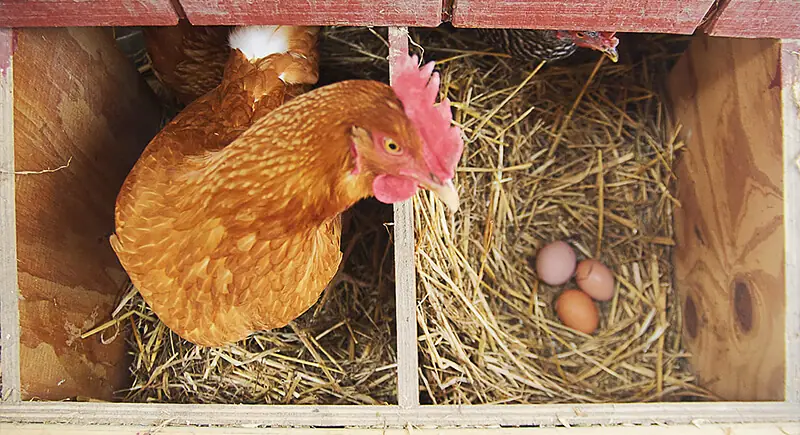
Missing a day might not seem like a big deal, but chickens rely on consistent care. Skipping the basics, such as feeding, collecting eggs, or checking for injuries, can lead to bigger issues quickly. Small changes in behavior often signal illness, so taking time each day helps you catch problems early.
Crowding the Coop
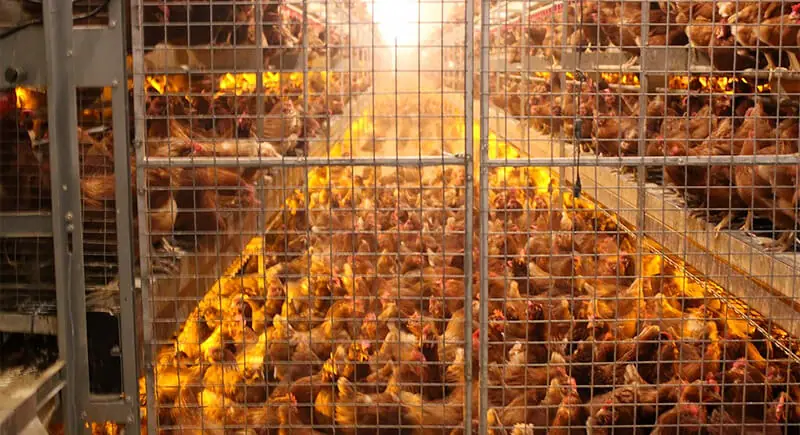
Packing in too many birds creates stress. Chickens need space to roost, nest, and roam. Overcrowding leads to feather pecking, bullying, and the spread of disease. A good rule is four square feet per bird inside the coop and even more outdoors. Give them room, and they’ll reward you with better health and fewer fights.
Using Strong Chemicals
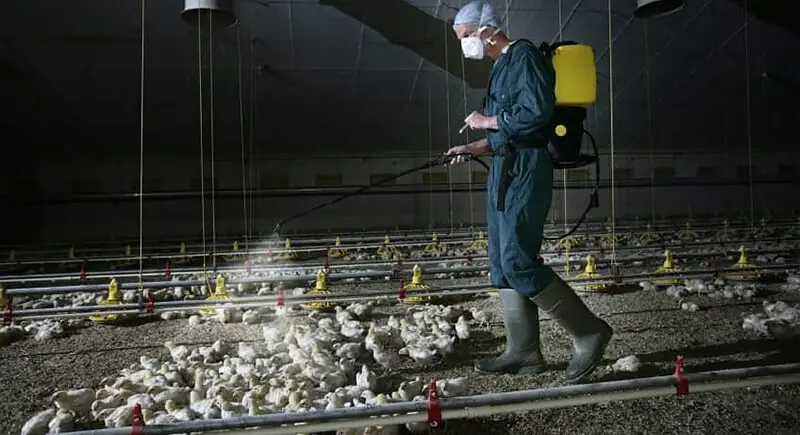
Disinfectants seem helpful, but harsh cleaners can irritate chickens’ respiratory systems. Their lungs are sensitive, and strong smells can linger in bedding and walls. Instead, use diluted vinegar or poultry-safe products. Ventilate the space well and clean regularly to keep things fresh and comfortable.
Ignoring Boredom
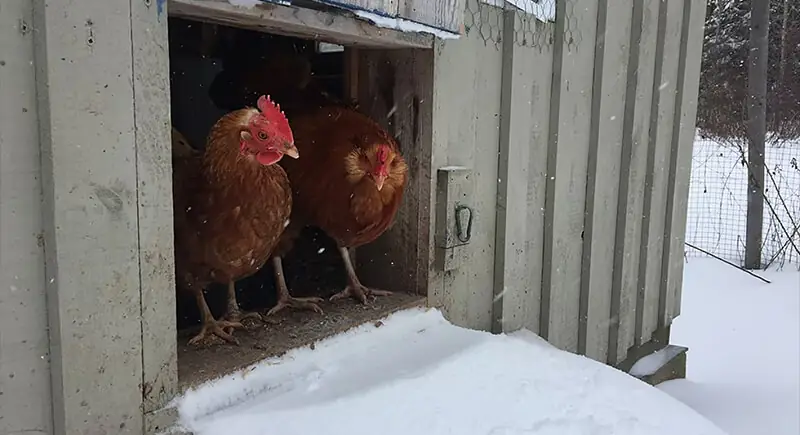
Chickens get bored, especially in small runs or during long winters. They turn on each other if they do not have things to peck, scratch, or explore. Boredom leads to feather damage, stress, and bad habits. Toss in leafy greens, hang cabbage heads, or rotate objects to keep their minds and bodies active.
Leaving Lights On All Night
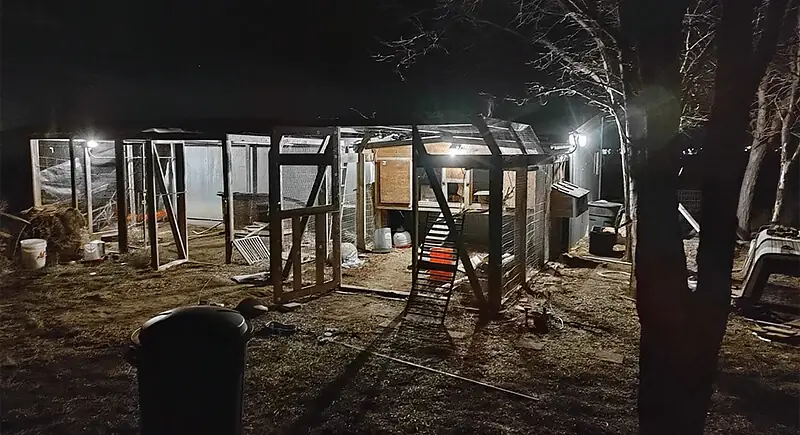
Leaving a coop light on disrupts the natural sleep cycles of chickens and causes anxiety. If you’re using a bulb for winter warmth or egg production, set it on a timer. Make sure they get at least eight hours of darkness so their bodies can recharge.
Not Rotating Pasture
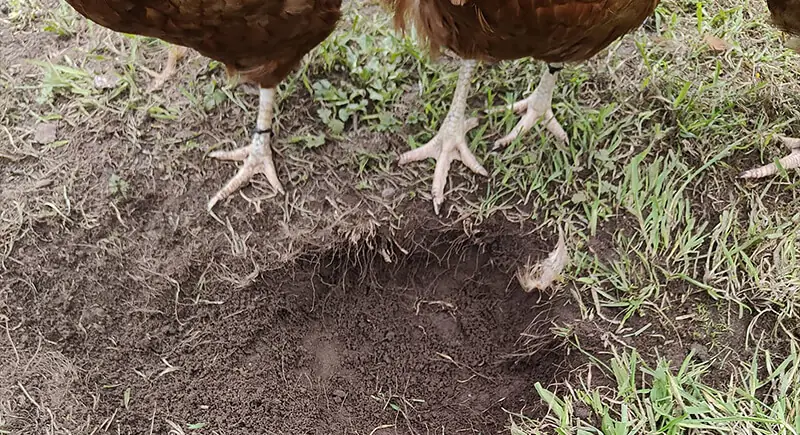
Free-range chickens thrive on fresh ground, but keeping them in one spot too long destroys the grass and increases parasites. Rotating their outdoor space helps maintain forage, reduces waste buildup, and keeps them busy. When possible, use fencing or movable coops to shift areas every few weeks.
Handling Too Roughly
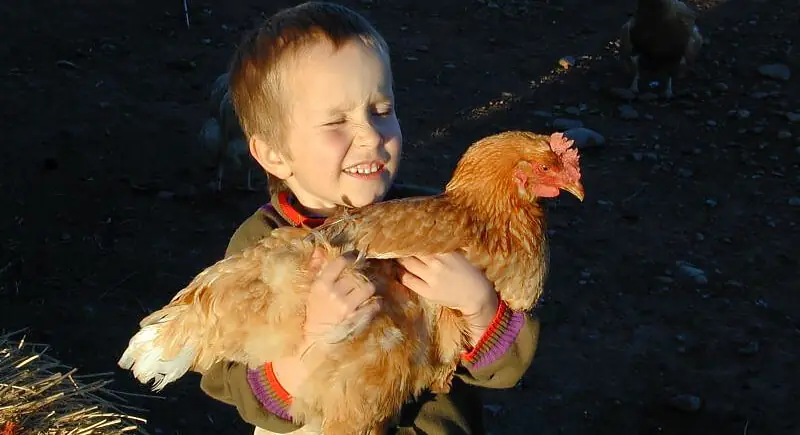
Keep in mind that these birds are not your average pets. Many don’t enjoy being picked up and will panic if grabbed too fast or squeezed. Rough handling damages trust and causes stress. If you need to hold a chicken, do it gently and with purpose. Calm, slow movements help build confidence over time.
Using Deep Bedding Incorrectly
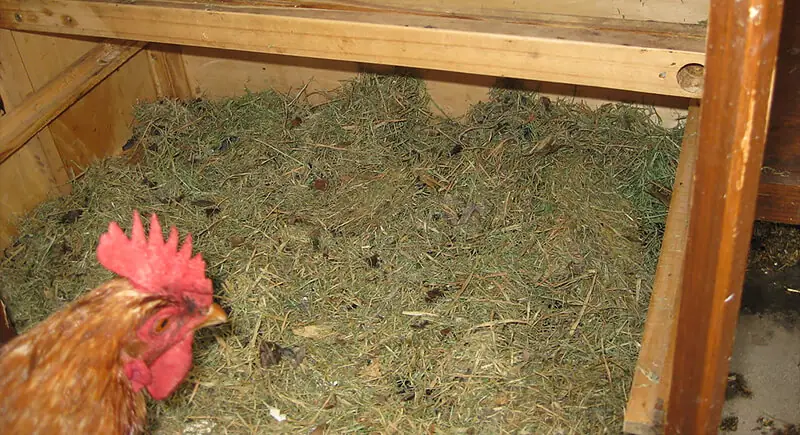
The deep litter method works well if done right. However, letting soiled bedding pile up without stirring or adding dry material leads to ammonia buildup. That smell is more than unpleasant, and it harms your chickens’ lungs. Stir often, add fresh bedding regularly, and check for damp spots to keep the coop healthy.
Leaving Feed Uncovered
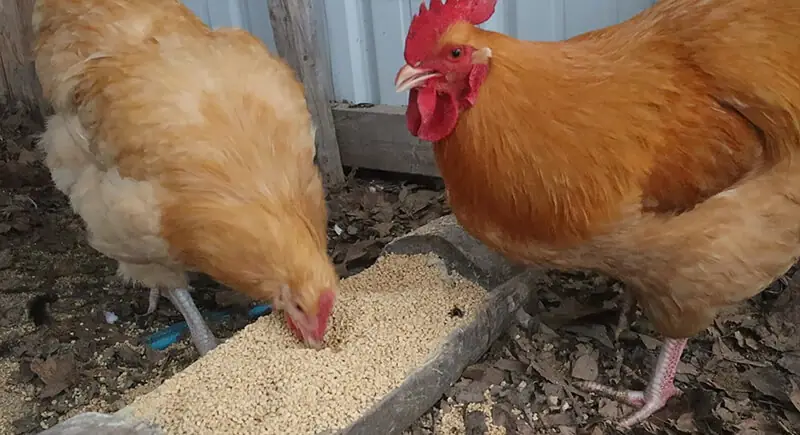
Open containers attract rodents, bugs, and mold. Chickens dislike spoiled or bug-infested food, and eating it can make them sick. Use sealed feeders or covered bins to store grain. Keep the area clean and dry to prevent contamination and waste. Safe storage means fresher food and fewer pests.
Skimping on Dust Baths
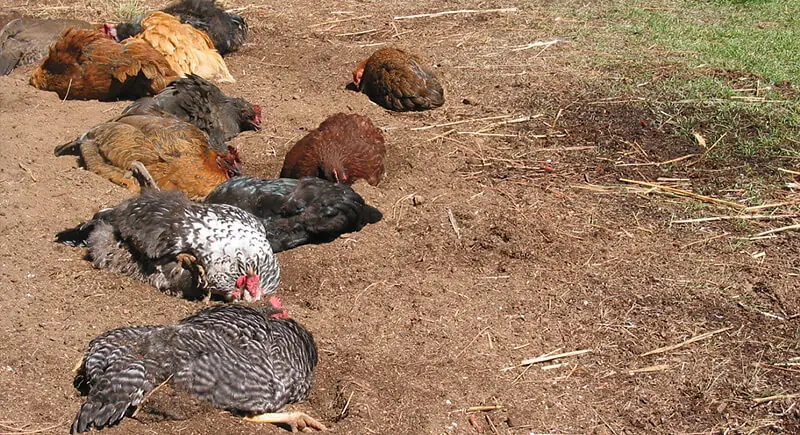
Dust baths aren’t optional. These birds use them to clean their feathers and get rid of mites. With no access to dry, loose dirt or sand, they’ll scratch around aimlessly and risk infestations. Fill a shallow container with fine dirt, sand, or wood ash and place it where they can access it daily.
Overloading on Treats
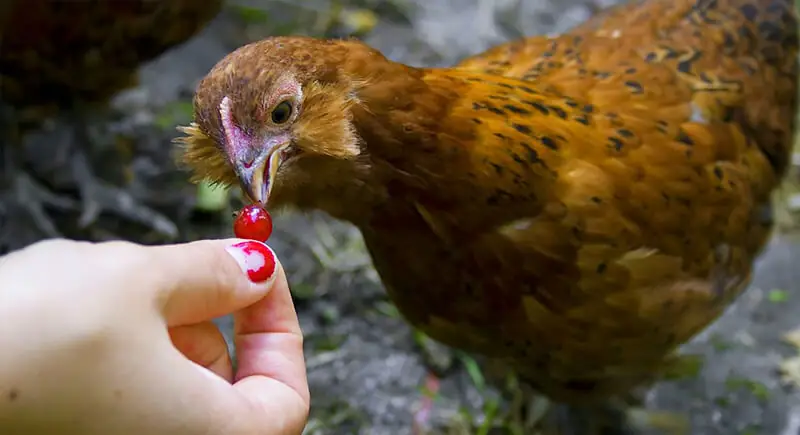
Everyone loves giving snacks, but too many treats mess with nutrition. Chickens need balanced feed to stay healthy. Giving them too much bread, fruit, or kitchen scraps causes weight gain and poor egg production. Treats should make up no more than ten percent of their diet.
Providing No Shade in Summer
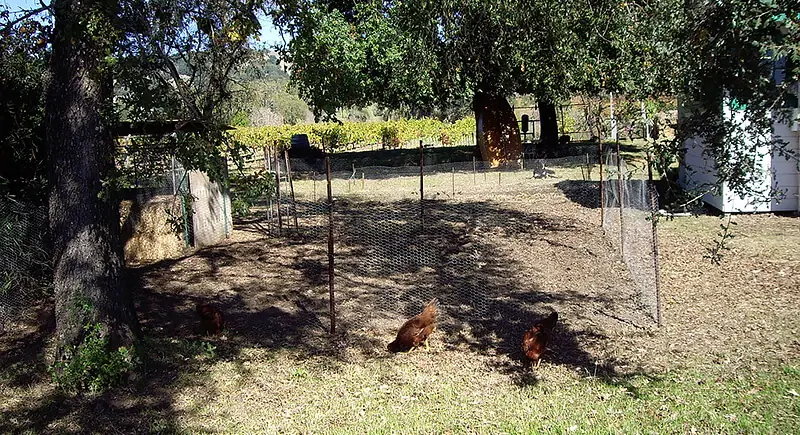
Direct sun takes a toll on birds. They tend to overheat easily, and without shade, they stop laying or even suffer heatstroke. Use trees and tarps to give them a break from the sun. Make sure water is nearby and check on them more frequently during hot spells.
Skipping Grit and Oyster Shell
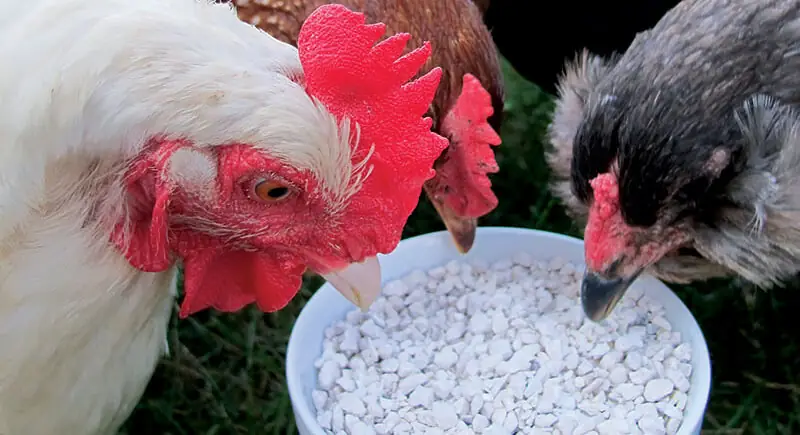
Even with good feed, chickens need grit to grind their food and calcium to make strong shells. Without these, you’ll see digestive problems and weak eggs. Offer free-choice access to both. Grit helps digestion, and oyster shell supports egg-laying hens. Place them in separate dishes so they can self-regulate.
Forgetting Fresh Water
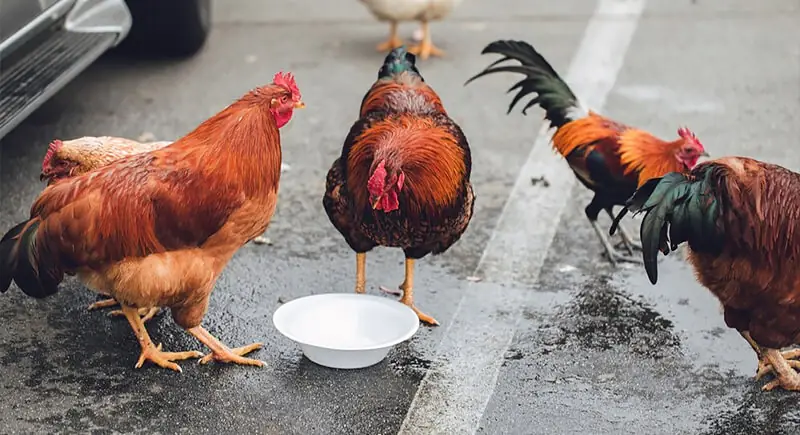
Stale or dirty water turns chickens off fast. In warm weather, they need even more to stay cool. Clean the waterers every day and scrub out slime or algae. Place containers in the shade to keep them cool and refill often. Dehydration affects everything from feather health to egg output.
Raising Too Many Roosters
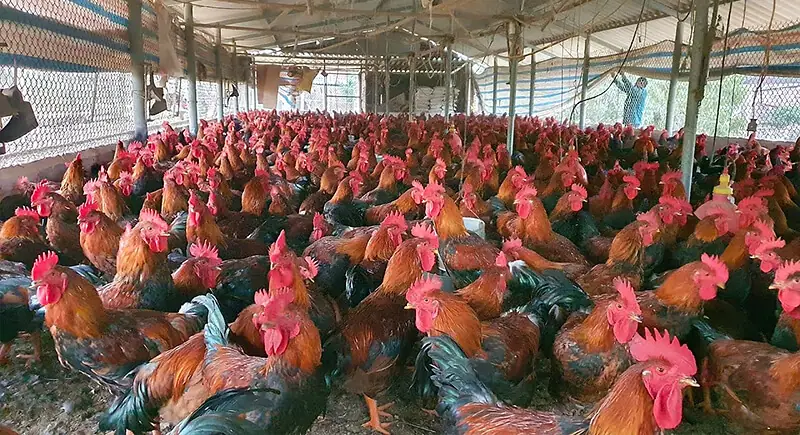
A rooster or two can keep peace and protect hens, but too many cause chaos. Roosters compete, harass hens, and fight each other when space is tight. If your flock has more than one male, monitor closely or separate them. A peaceful flock needs balance, not nonstop noise and conflict.
Locking Them in Too Late
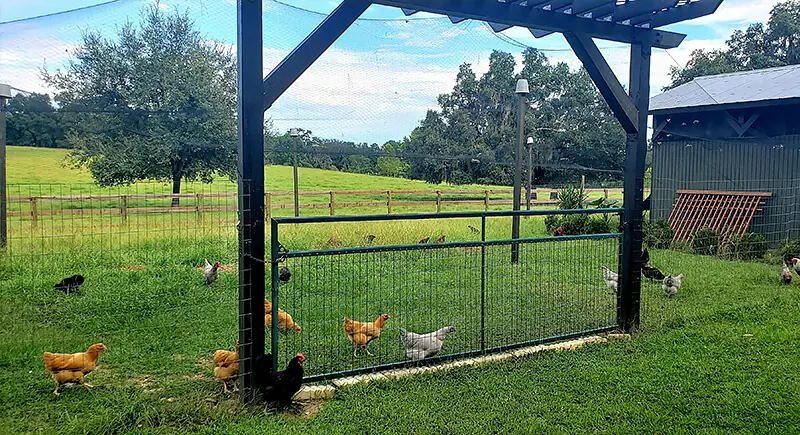
Letting chickens stay out too long risks predator attacks. Most birds instinctively return to roost at dusk, but closing the door late gives raccoons, foxes, and owls a chance to slip in. Stick to a schedule, and if you can’t make it in time, consider an automatic coop door for safety.
Forgetting to Check for Mites
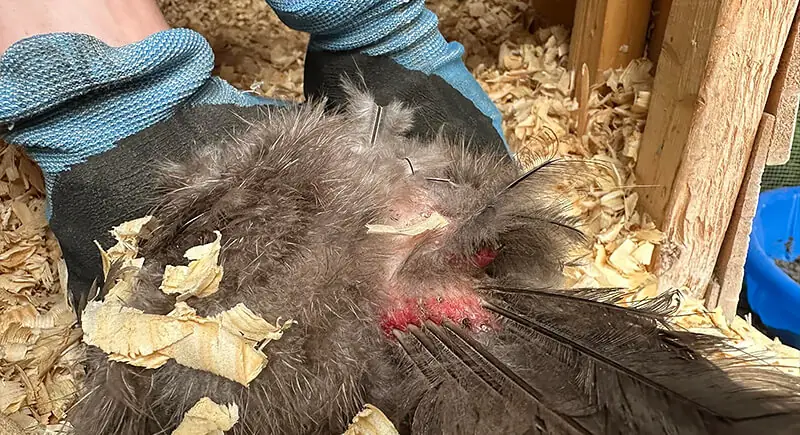
Mites spread quickly and hide well. If chickens seem itchy, pale, or peck at themselves, inspect feathers and roosts. Wood crevices and cracks hold pests. Use safe treatments and clean the coop thoroughly if you spot signs. Early detection makes a big difference, and your birds will thank you for the relief.
Using Circular Roosting Bars
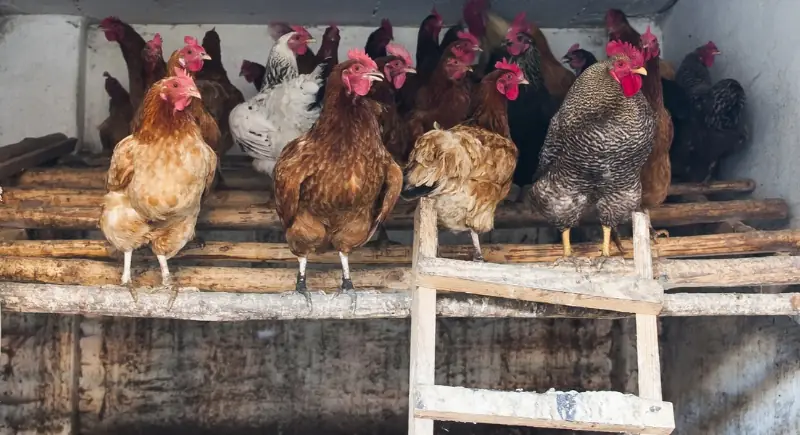
Round roosting bars might look comfortable, but chickens actually prefer something flatter. Their feet are built to grip a broad surface, allowing their toes to rest naturally through the night. Thin, circular bars force them to clutch tightly, which can strain their feet and make restful roosting harder for the flock.
Providing Unlimited Kitchen Scraps
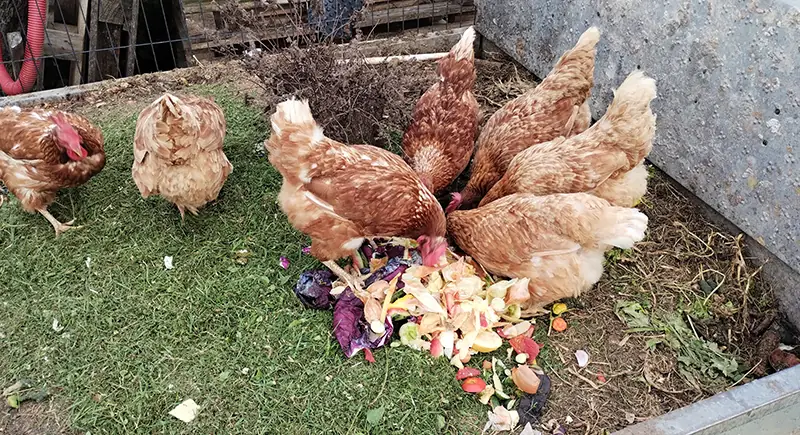
Kitchen scraps feel like a generous treat, but unlimited leftovers can cause real problems. Chickens need balanced feed to stay healthy and keep laying well. Too many scraps dilute important nutrients and sometimes introduce salty or spoiled food. Offer scraps occasionally, but keep proper poultry feed as the main meal.





