
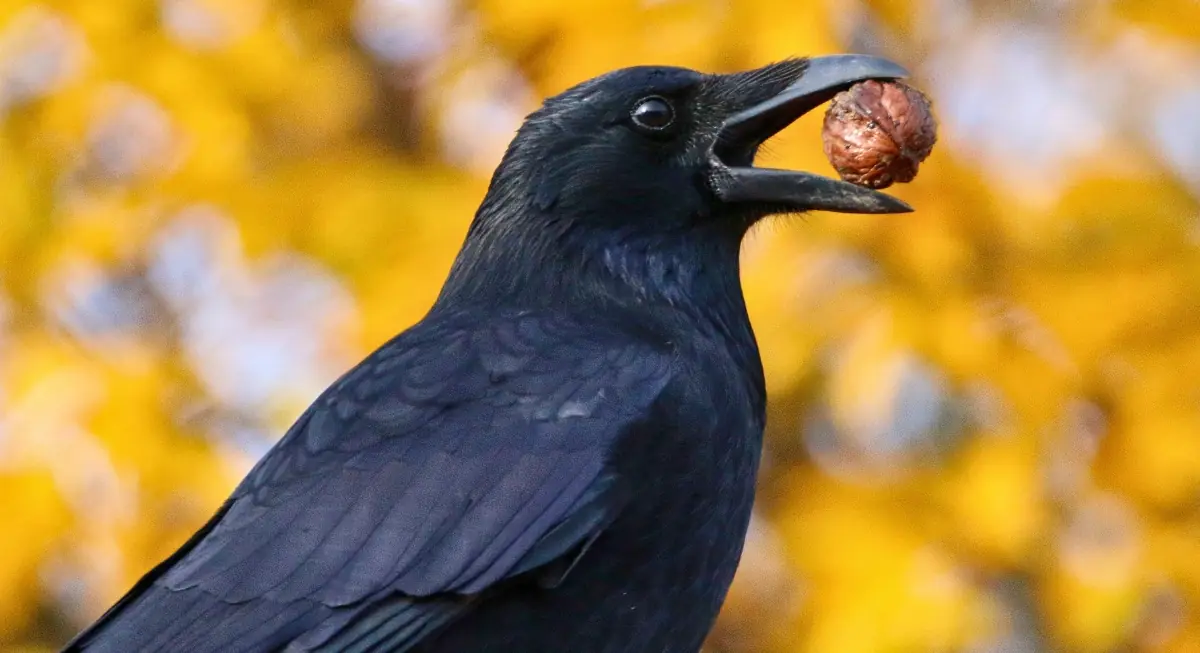
Crows’ intelligence is truly impressive. Research by Corina Logan of UC Santa Barbara and collaborators at the University of Auckland in New Zealand shows how New Caledonian crows meet and beat expectations set by tests for young children. While they lack human hands, they have remarkable problem-solving skills, a talent for crafting tools, and the ability to remember faces. Let’s see what else makes these birds so special.
Raise Water with Stones
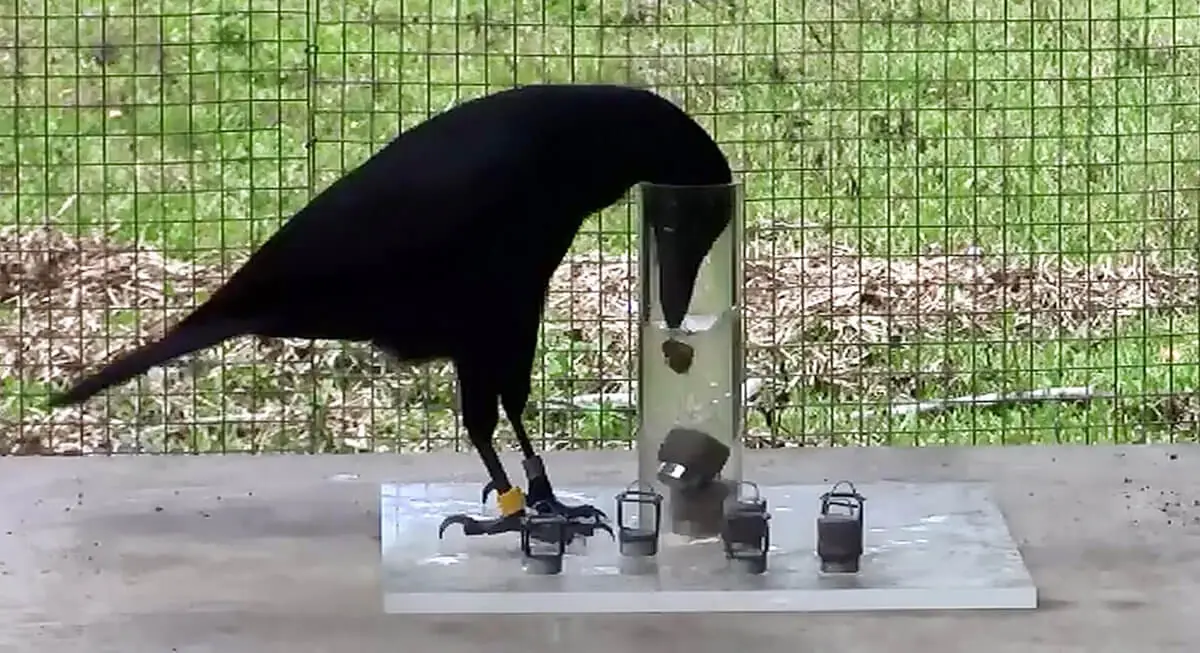
New Caledonian crows validate the story we all heard as kids: dropping stones into water to raise the level. Research led by Corina Logan found that these birds even chose narrow tubes once they realized their limited number of stones worked better there. Scientists still cannot say exactly what the birds were thinking, but the results suggest they can use cause-and-effect cues to solve water-displacement problems.
Plan for the Future
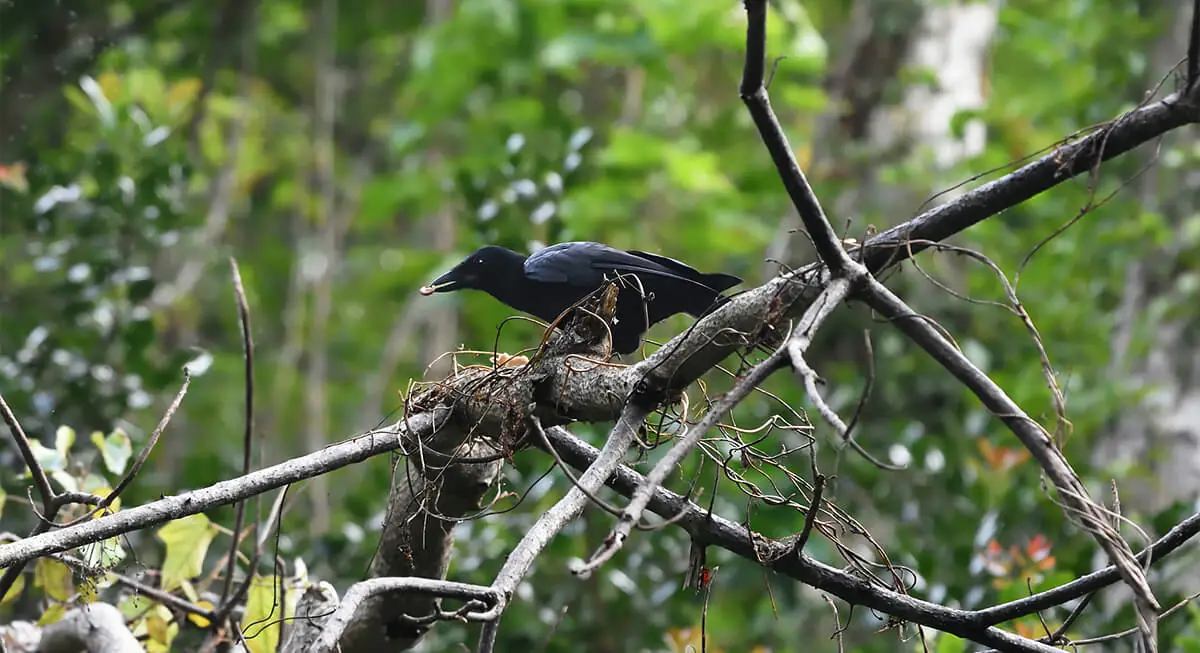
A 2020 study found that New Caledonian crows choose specific items for future problems after viewing a test device. This foresight may serve as evidence of planning, even as experts discuss the underlying mental processes. The study adds evidence that these crows can select useful tools before they need them.
Pass a Trickier Tube Test
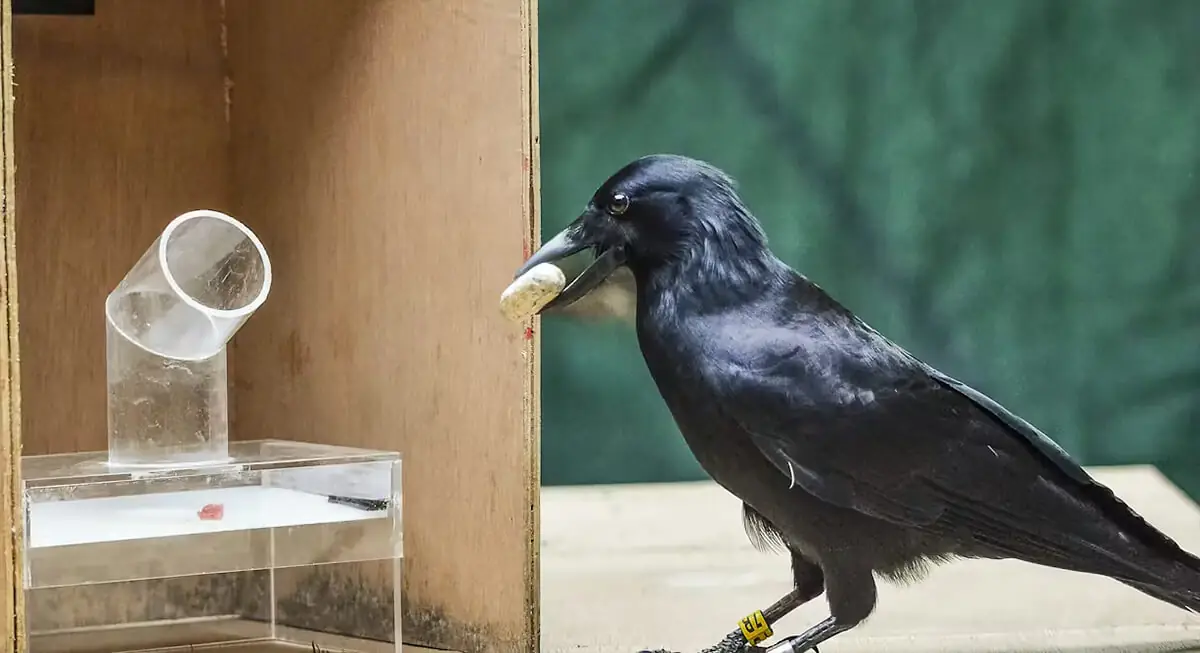
Kitty, a 6-month-old crow, mastered a baffling puzzle involving a hidden water connection and food stored in a neighboring chamber. Earlier child studies found that 5-year-olds struggled with this U-tube setup, while Kitty succeeded on the colored version. Rather than a simple contest between species, her achievement offers scientists deep insights into how different minds work.
Craft Hooked Tools
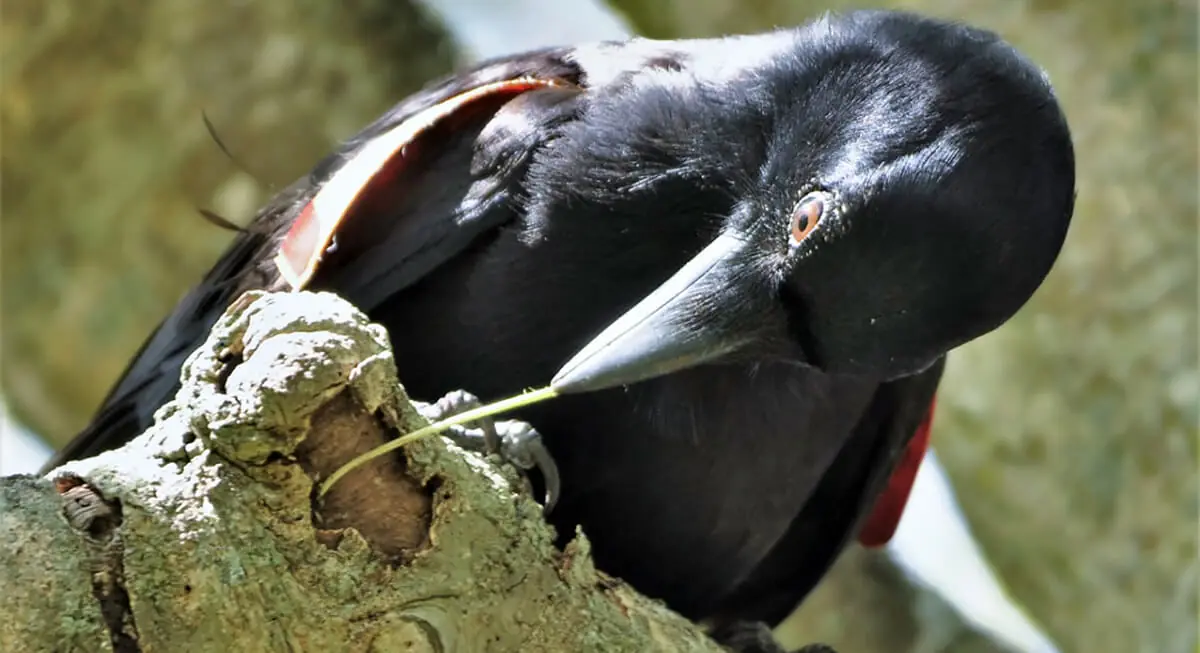
Hooked tools are extremely rare in the animal kingdom, yet these crows make them with impressive precision. Using sticks and plant material, they create curved tools that help them pull insects and prey out of tight spaces. The designs may look basic, but they work remarkably well for reaching food that other animals cannot easily access.
Remember Dangerous Faces
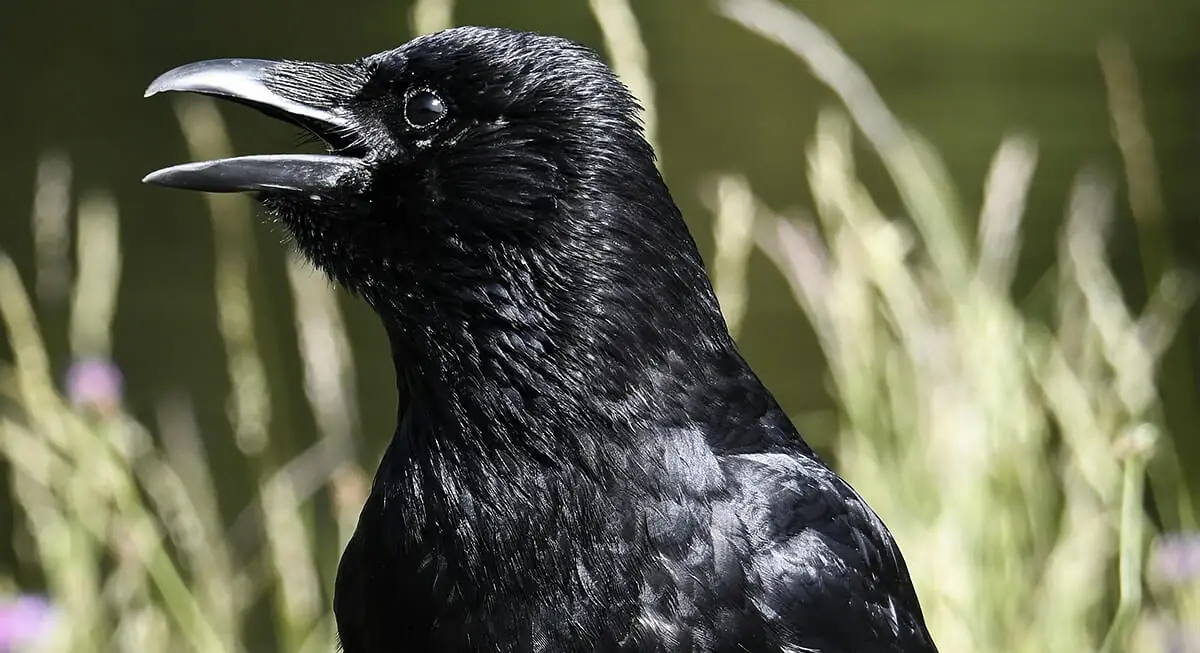
Research from the University of Washington revealed that American crows identify and remember humans who once captured them. Birds even scolded people wearing a specific threatening mask. New crows joined the ruckus by watching their peers, allowing the warning to spread across the entire group.
Protect the Good Gear
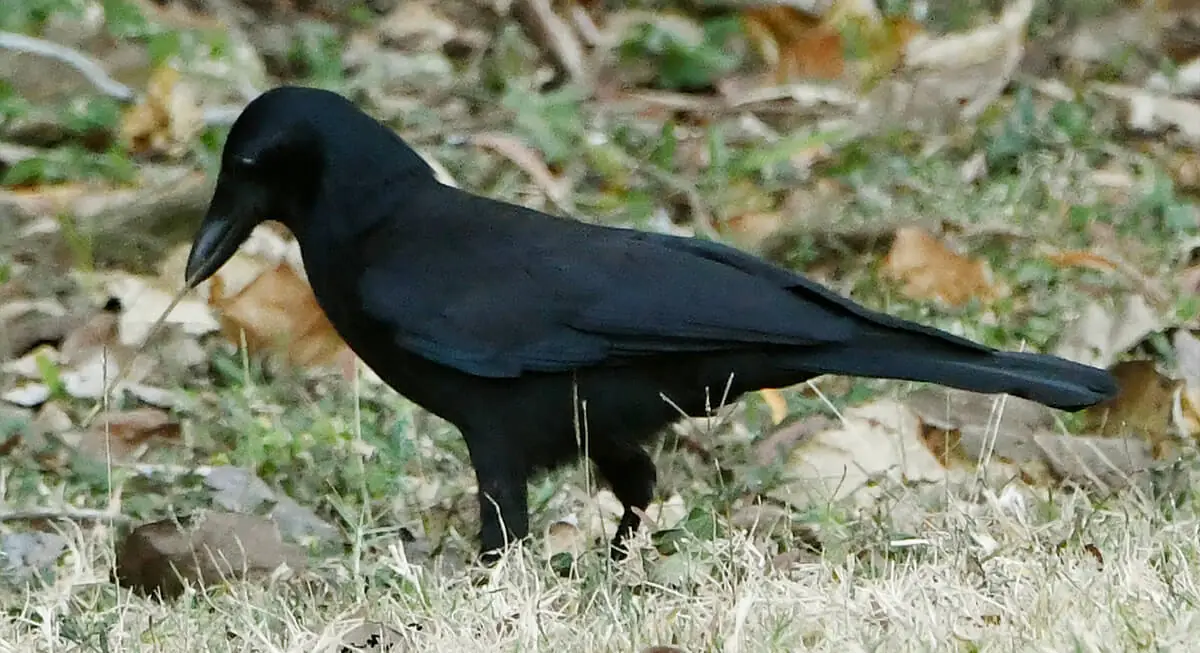
Research in eLife shows that New Caledonian crows guard hooked sticks much more carefully than plain ones. They tuck these valuable implements under their feet or hide them in holes to prevent loss. Since hooked equipment is harder to find and works better for grabbing food, the birds are simply protecting their investment.
Hide Food with Strategy
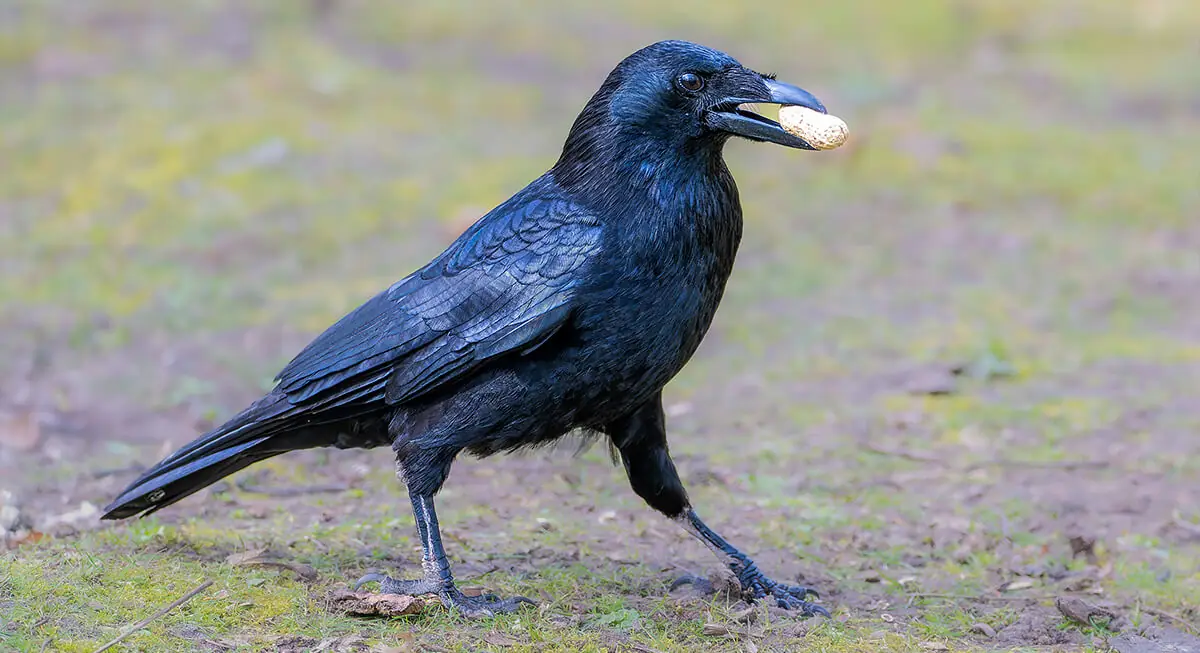
Crows know a buried snack is only safe if no one is watching. These birds hide food for later but quickly change tactics if a thief is nearby. Studies of food-caching corvids show that some species adjust where and when they hide food. While experts study how much these birds truly understand, the behavior highlights their sharp memories and ability to make smart, flexible decisions.
Bend Materials to Perform Tasks
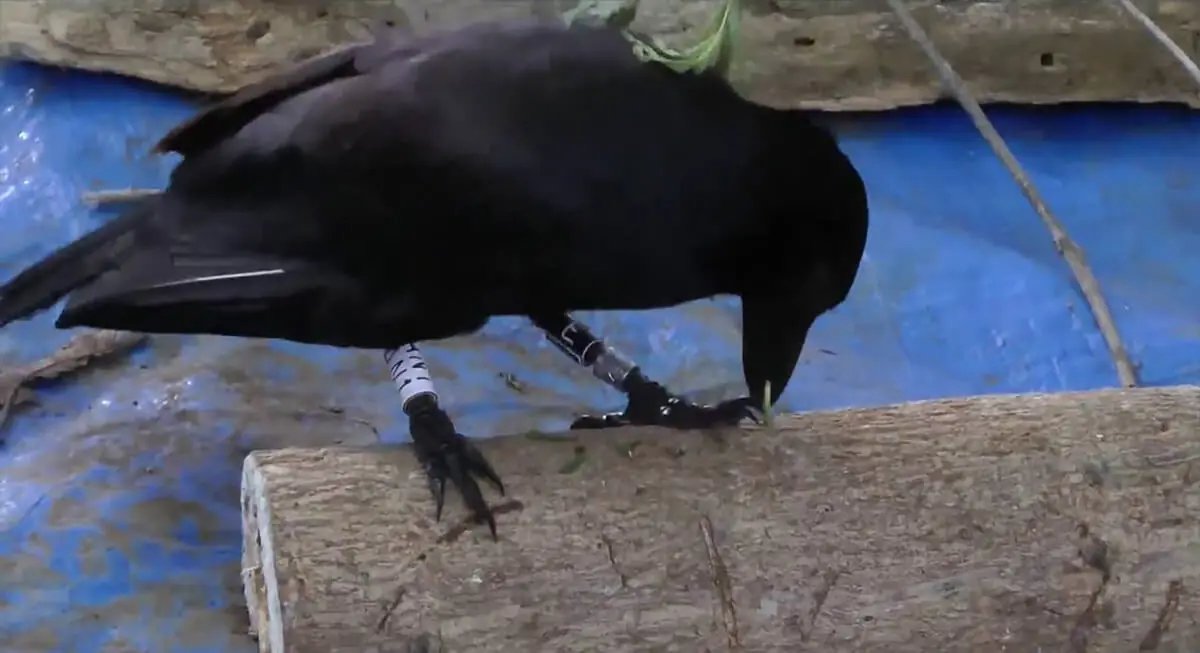
Betty became famous after bending a wire into a hook during a lab food task. Newer studies confirm that this is similar to how wild New Caledonian crows curve hooks made from plant stems in nature. This suggests Betty’s wire-bending may have drawn on such natural tool-making behaviors rather than a random spark of brilliance. Still, it is rare to see a bird physically transform a tool’s material to complete a specific task.
Solve Pattern Problems
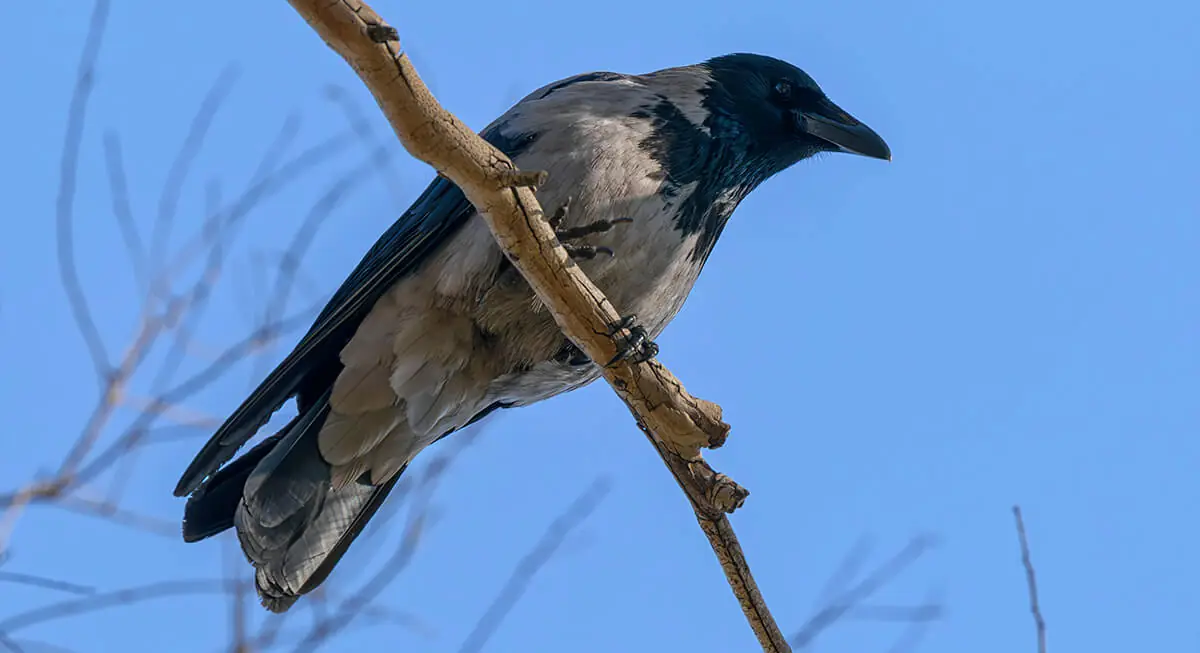
Hooded crows see the logic inside a puzzle instead of focusing on colors or form. A study in Current Biology showed they can match patterns between pairs. Researchers found that hooded crows can handle relational matching tasks, a skill also studied in primates. While the bird is not exactly studying for a grade, its mental skill is impressive.
Learn Careful Tool Control
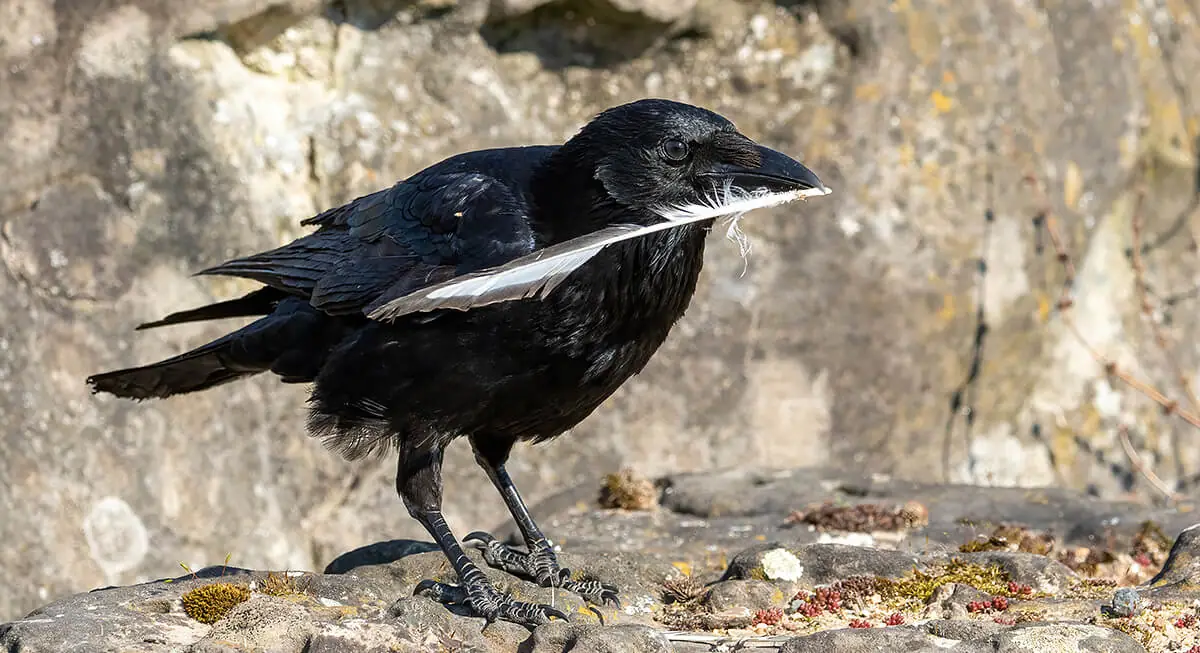
Carrion crows are not known for habitual tool use in the wild, but a 2025 study in Current Biology changed the conversation. Three birds with no prior experience learned to use sticks to pull food pellets out of tight gaps. Motion tracking during the test showed that the carrion crows gradually improved their stick control across repeated trials.





