
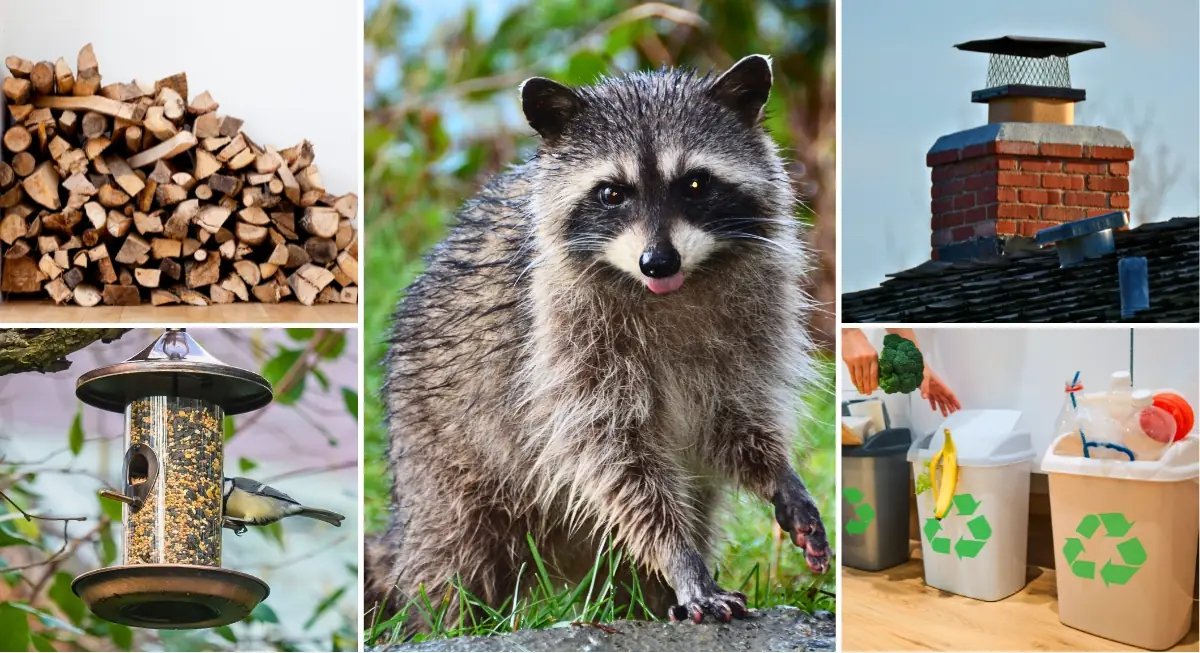
Some nights it sounds like there’s a party going on in the backyard, and not the fun kind. Raccoons are bold, messy, and surprisingly picky about what draws them in. If they’ve made your space their hangout spot, chances are, something back there is calling their name loud and clear.
Accessible Trash Bins

A raccoon doesn’t need to see the trash, just a hint of scent is enough to draw it in. Once it discovers a bin with an easy lid, it will return. Animal-resistant cans with locking mechanisms reduce access, especially if trash is kept out of reach between collections.
Outdoor Pet Food
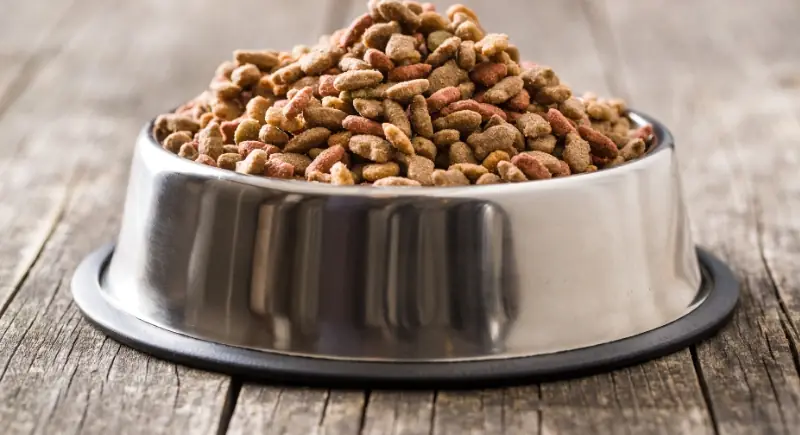
Leftover kibble sitting out becomes a guaranteed late-night snack for raccoons. They’re quick to associate feeding spots with food, even when bowls are removed. Instead of relying on sheds or garages for storage, feed indoors and keep sealed containers in areas raccoons can’t smell or physically reach.
Bird Feeders
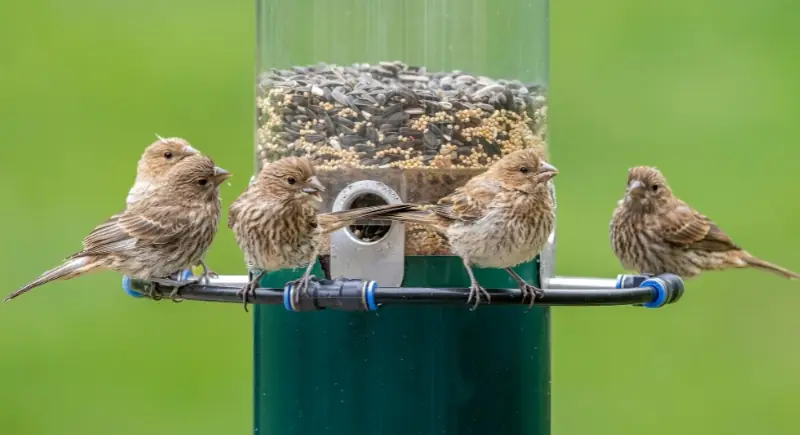
When natural food is scarce, raccoons turn to birdseed. Feeder poles offer no challenge, and spilled seed draws attention from the ground. Mounting feeders away from walls and using baffles makes climbing harder. Clearing up excess seed regularly also helps break the cycle of nightly visits.
Fruit Trees

Ripe fruit hanging in plain sight makes trees easy targets. Raccoons don’t hesitate to climb for a meal or pick at fallen produce during the night. Prune lower limbs to reduce access, and clear dropped fruit quickly to avoid conditioning the animals to see your yard as a feeding ground.
Vegetable Gardens

A garden left unattended at night becomes a high-reward zone for raccoons. They pull plants apart and eat just enough to ruin the rest. Raised beds with buried wire beneath them add a barrier. Adding scent deterrents or noise devices also makes the space feel less comfortable.
Compost Piles
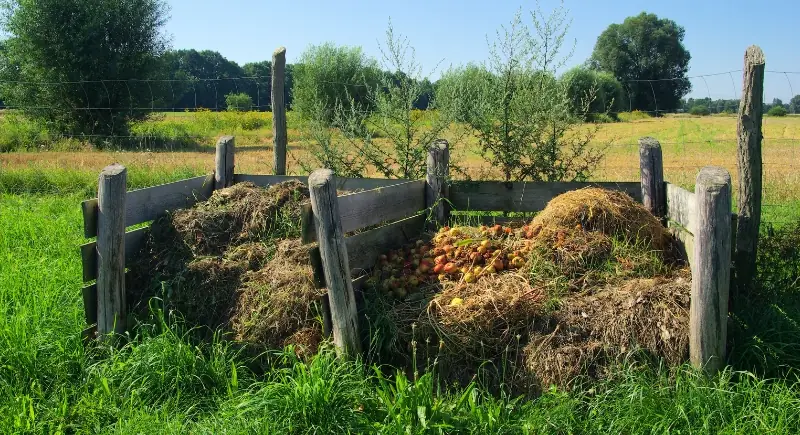
Open compost piles often serve as raccoon buffets, especially when food scraps aren’t properly layered or covered. They’ll dig deep for anything edible. Closed tumblers provide a safer alternative. Keeping compost strictly plant-based and free of fragrant leftovers also makes the setup less of a target.
Water Sources

Even a shallow pool of water can be enough to attract raccoons. They return to spots where they’ve found water before, using it to drink or rinse food. Removing access before nightfall makes an impact, particularly when other nearby yards offer easier hydration.
Accessible Attics and Crawl Spaces
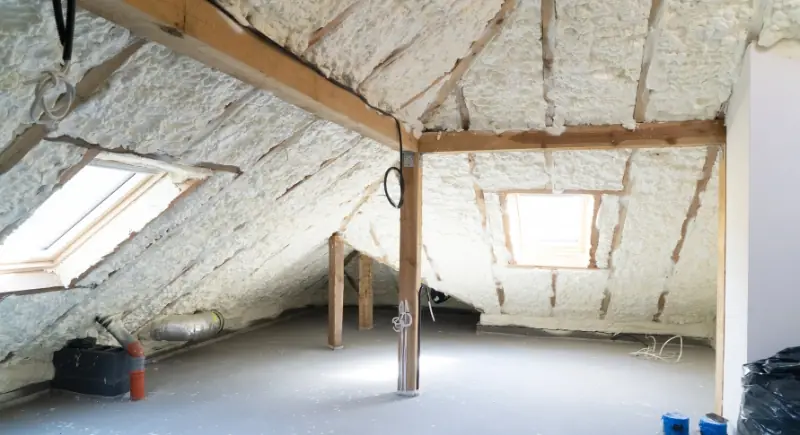
Once raccoons find a dry, undisturbed area, they settle in fast. Entry through roof gaps or foundation vents often goes unnoticed until damage is done. Reinforcing vulnerable spots with heavy mesh and trimming back foliage near the structure reduces the chance of these animals making themselves at home.
Woodpiles and Dense Shrubs
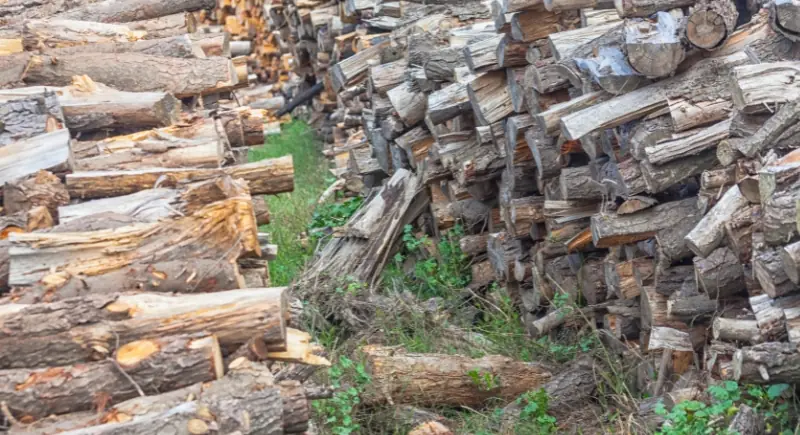
Thick cover gives raccoons the perfect place to shelter during the day. Disorganized firewood and low-hanging branches offer the seclusion they seek. Elevating logs and thinning out dense foliage takes away those pockets of protection and encourages them to look elsewhere for daytime hiding spots.
Sheds and Garages
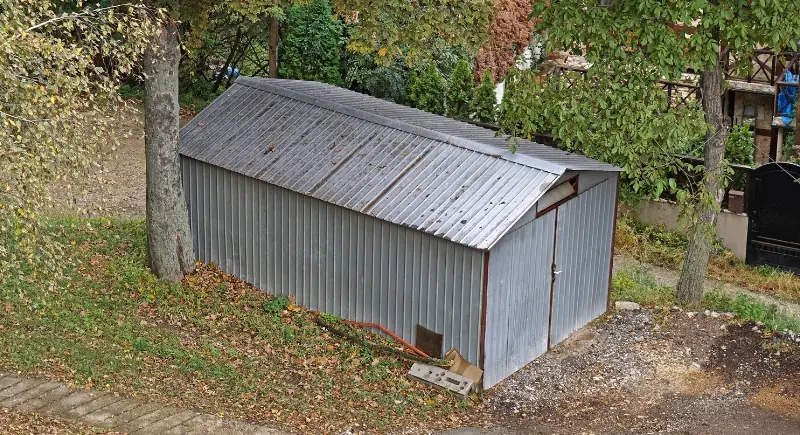
It doesn’t take much for a raccoon to find its way into an outbuilding. A missing vent cover or cracked panel can provide just enough space. Inspect structures often and seal openings as soon as they appear. Keeping storage areas free of food smells helps discourage nesting.
Open Chimneys

Uncovered chimneys are easily mistaken for natural dens. Once a raccoon drops inside, it’s difficult to remove without professional help. A metal chimney cap with a tight-fitting mesh screen blocks access. Checking for nesting material or tracks around the base helps catch issues before they escalate.
Pet Doors
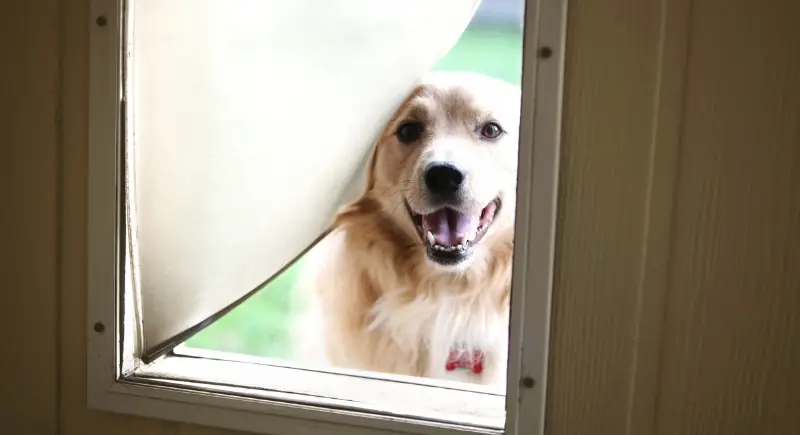
The average flap-style pet door poses little challenge for a raccoon. If it smells food just inside, it may force its way through or wait until the house is quiet. Pet doors with sensor locks or timed access features make it harder for uninvited visitors to gain entry.
Fish Ponds

Still water and slow fish movement tempt raccoons to linger. They crouch at the edge and wait, striking when fish swim too close. Covering the pond overnight and adding places where fish can retreat out of sight helps reduce the likelihood of repeated losses.
Unattended Grills
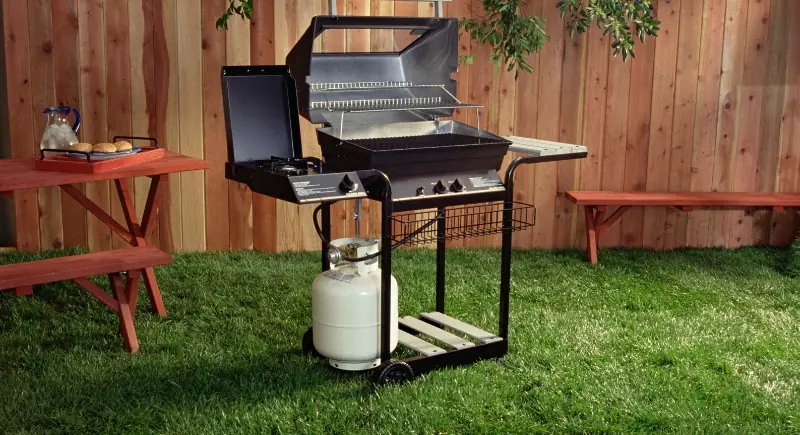
The scent left behind on an outdoor grill can persist long after cooking ends. Raccoons will climb or tip units to investigate. Scrubbing grates thoroughly, emptying the grease tray, and using a cover built for secure closure helps eliminate the leftover smells that make grills so attractive.
Dark, Unlit Areas
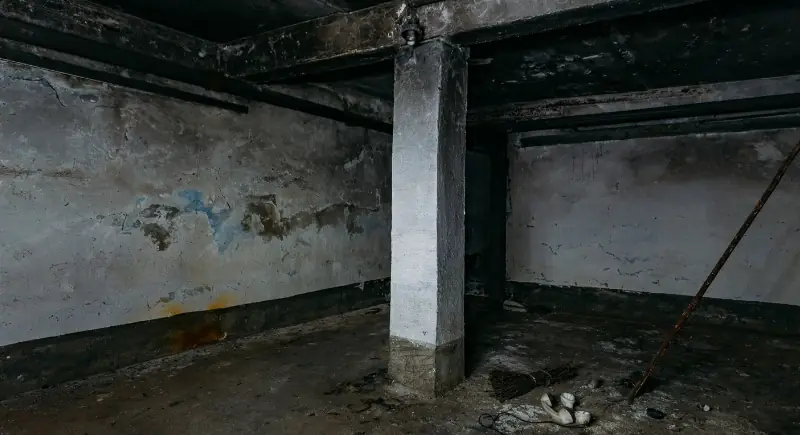
A raccoon feels bolder in the dark. Areas without lighting offer the cover it needs to explore safely. Installing motion-sensitive lights in problem zones introduces uncertainty. Raccoons are less likely to linger where the environment suddenly changes or where light disrupts their comfort.
Grub-Infested Lawns
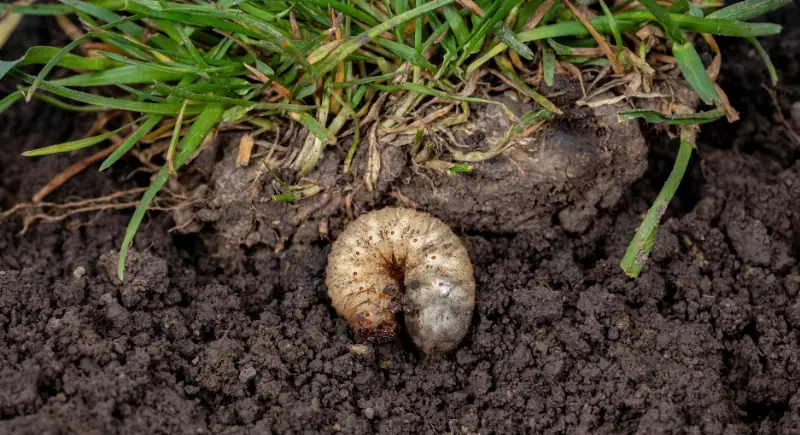
A lawn filled with grubs turns into a nighttime buffet for raccoons. They dig through the grass searching for beetle larvae, leaving behind patches that look like somebody attacked the yard with a shovel. Fresh sod does not stop them either. Once raccoons find easy food underground, they keep coming back for more.
Pools and Hot Tubs

Water draws raccoons fast, especially during dry weather or hot nights. Backyard pools and hot tubs give them a place to drink, rinse food, and cool off before wandering elsewhere. Owners sometimes wake up to muddy paw prints across the deck or to floating debris that wasn’t there the night before.





