
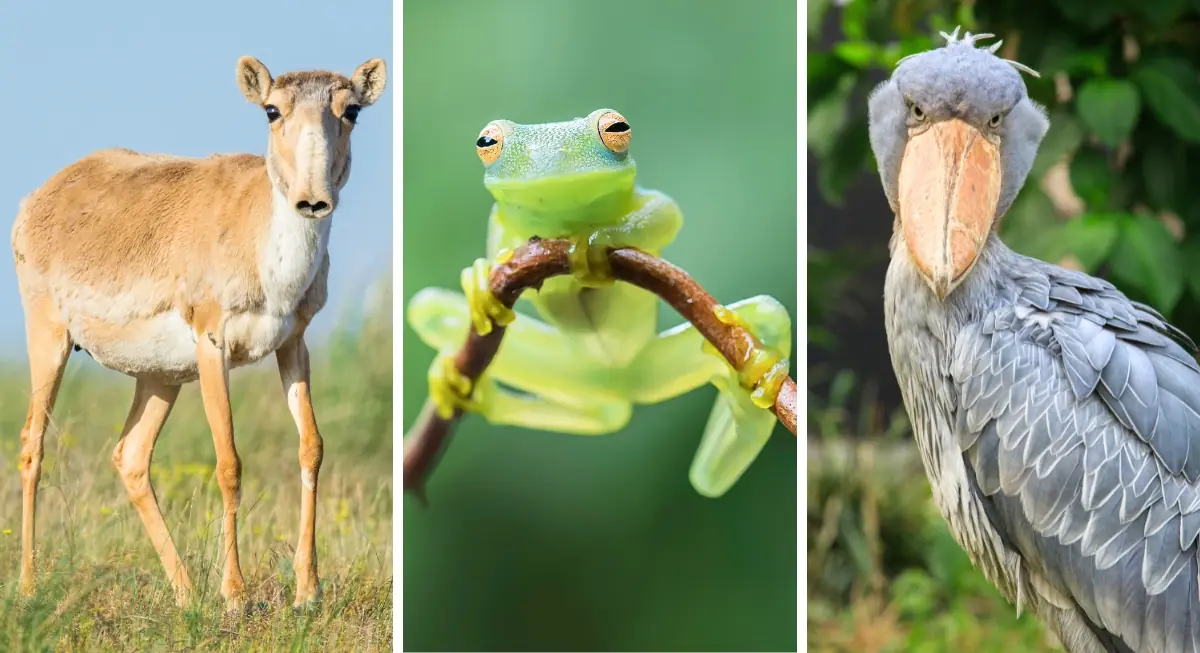
Some animals stop you mid-scroll because their appearance feels almost unreal. Their shapes, colors, and features are not accidents or quirks of nature. Each one reflects a precise adaptation to the challenges of survival in a specific environment. This list highlights 10 visually distinctive species and the evolutionary pressures that have shaped their appearance.
Kakapo
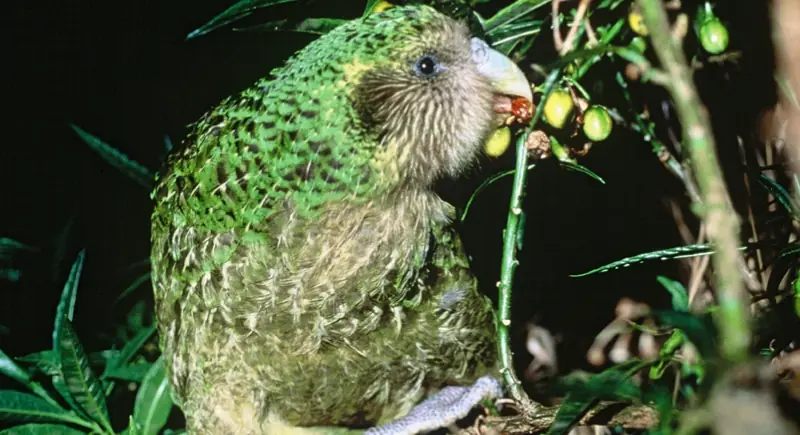
Biologists working with kakapo spend far more time waiting than intervening, because the birds refuse to breed on any human schedule. Their reproduction depends entirely on rare years when specific New Zealand trees produce an abundance of fruit. When that happens, conservation teams rush to act, fully aware that the next opportunity may be years away.
Aye-Aye
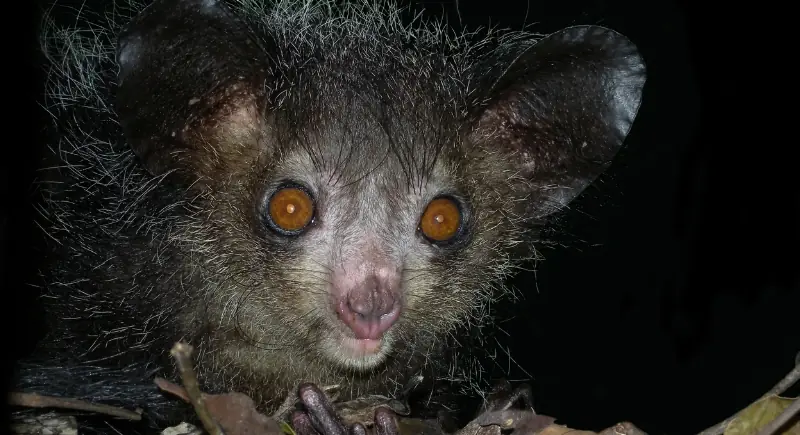
In Madagascar, the aye-aye’s biggest threat used to be a glance. For decades, local superstition treated the animal as a bad omen, and sightings often ended in the animal being killed. That history explains why modern conservation efforts prioritize education. Changing minds turned out to matter as much as protecting forests.
Saiga
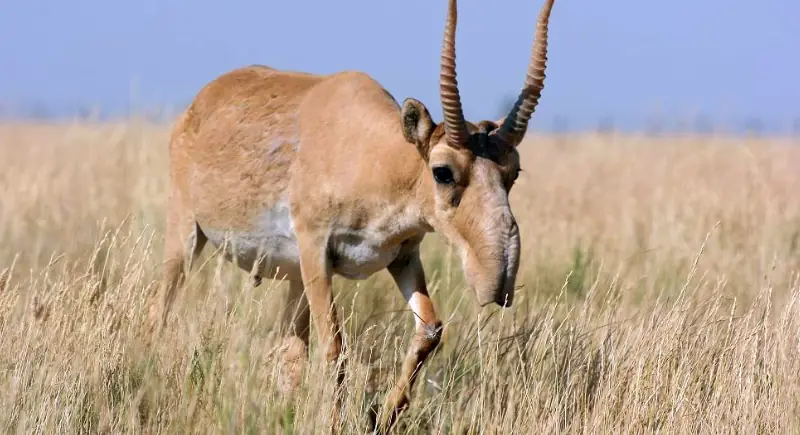
The saiga once migrated across Central Asia in such large numbers that they reshaped the grasslands. That same migration pattern became catastrophic in the 2010s, when disease swept through herds at speed. Populations are climbing again under strict protection, but every migration season still carries an element of uncertainty.
Platypus
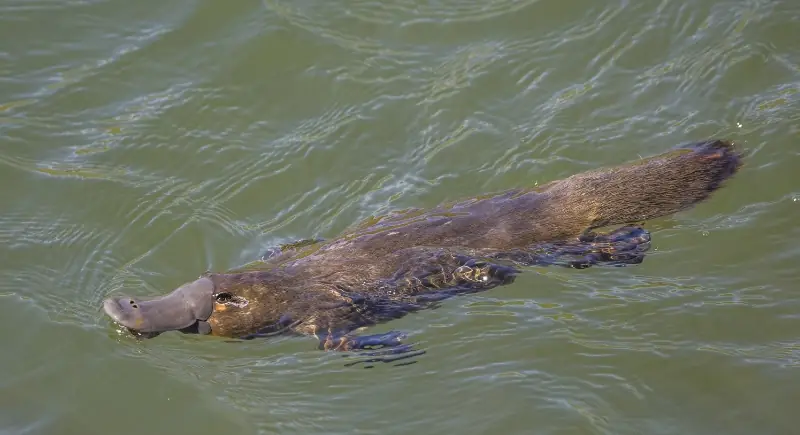
Anyone who watches a platypus hunt for the first time usually misses what’s happening. It swims slowly, eyes shut, nose down, ignoring everything above the surface. The real work happens through its bill, which detects tiny electrical signals from prey. That precision depends on clean, stable rivers, making habitat damage a silent and immediate threat.
Shoebill
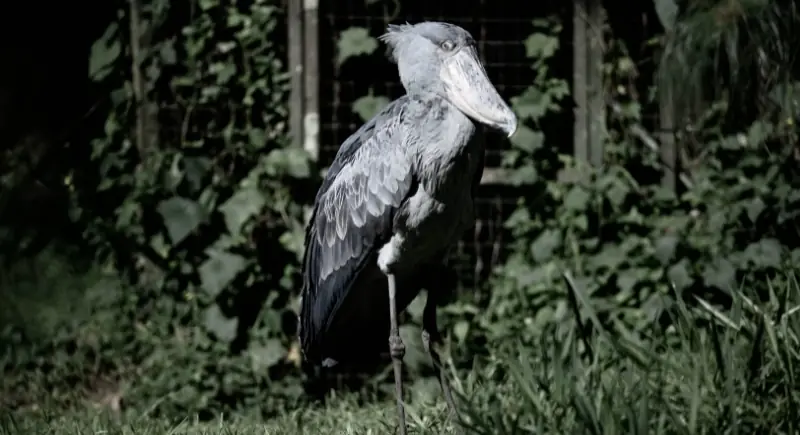
Field researchers often spot a shoebill long before they realize it’s alive. The bird can stand frozen in shallow water for extended periods, using a sit-and-wait hunting strategy to ambush fish, frogs, and other prey rather than chasing them. This approach is especially effective in calm, shallow wetlands, where still water gives it a hunting advantage.
Pink Dolphin
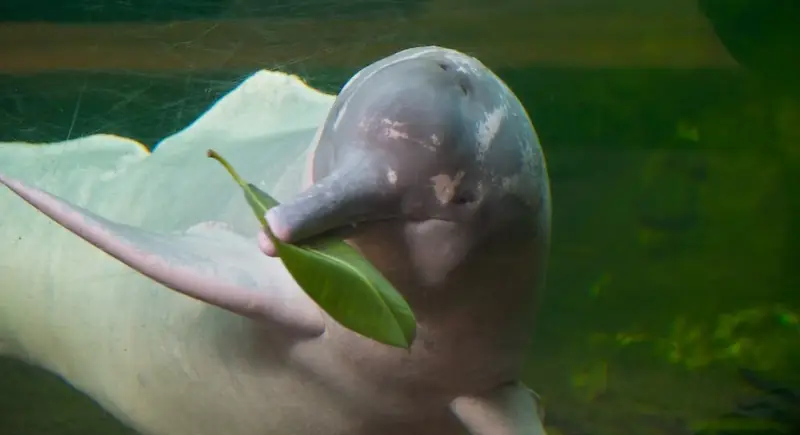
In the Amazon, researchers studying river dolphins rely on more than tagging and tracking. Color tells part of the story as calves begin life gray, then slowly shift toward pink as they age. Scientists believe blood flow, physical activity, and accumulated scars contribute, turning each animal into a moving record of its own history.
Star-Nosed Mole
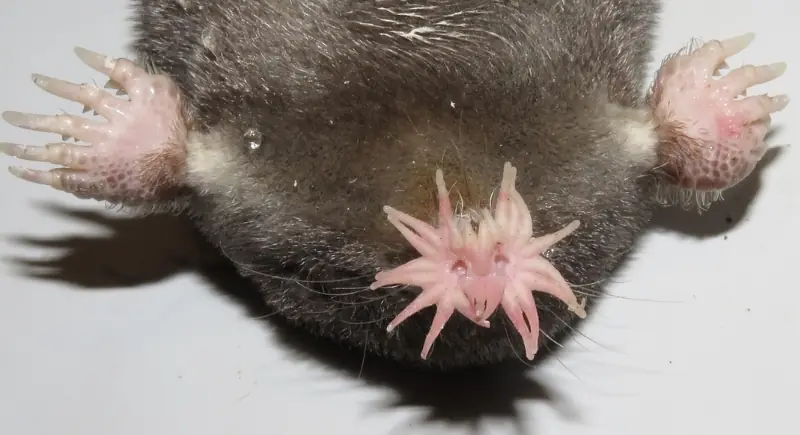
High-speed lab footage finally revealed why the star-nosed mole never seems to pause. It identifies and eats prey in milliseconds, faster than any mammal measured. The star-shaped nose contains thousands of touch receptors wired directly to the brain, allowing decisions to happen almost instantly, without hesitation or wasted motion.
Proboscis Monkey
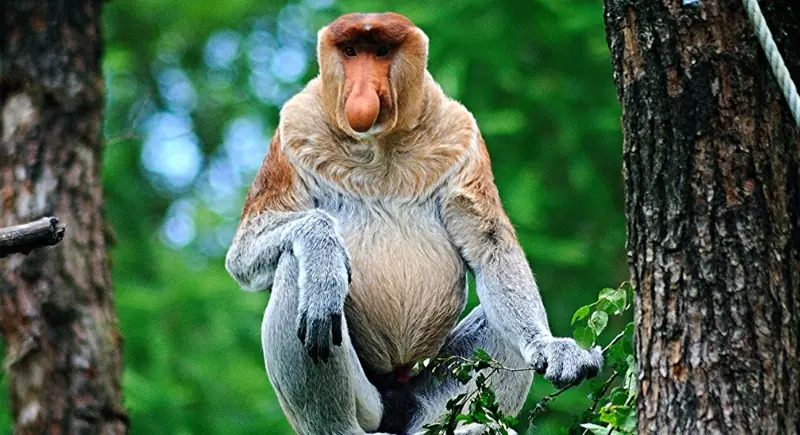
Spend time near a river in Borneo and the first thing you notice is the sound. Deep honking calls roll through the trees before the monkeys come into view. Adult males use their long noses to push those calls farther, shaping group movement and social order without relying on physical confrontation.
Glass Frog
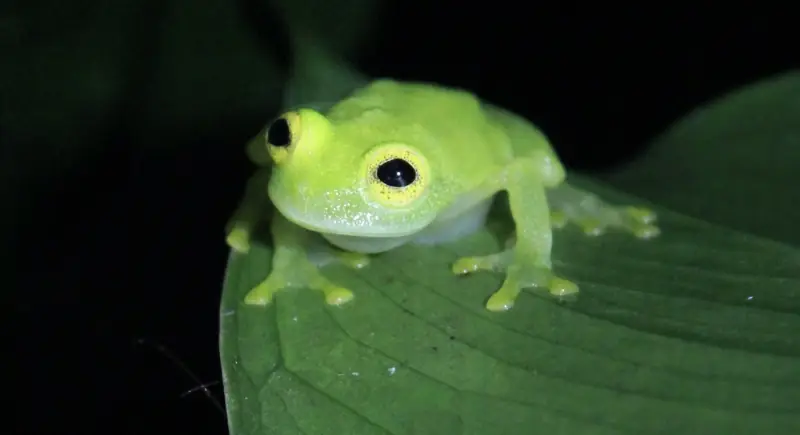
People rarely notice glass frogs at first because they don’t stand out the way bright animals do. They sit quietly on leaves at night, almost blending in from above. Look from underneath, though, and their bodies turn nearly see-through. The effect makes predators miss them entirely, even at close range.
Maned Wolf
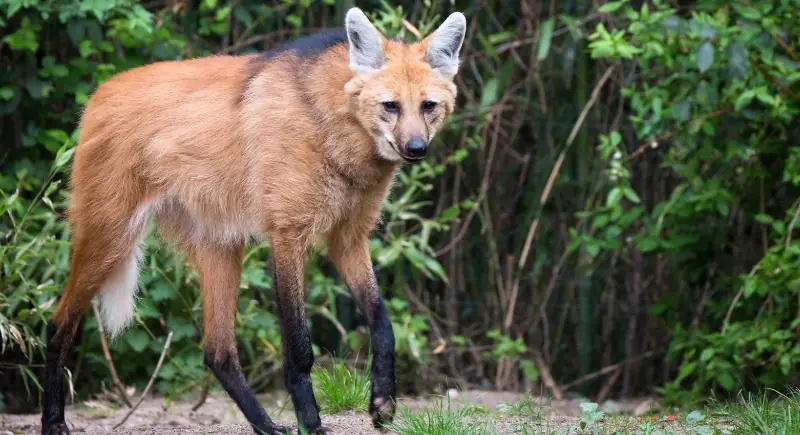
Field researchers didn’t expect to find fruit pits in so many maned wolf droppings. Alongside hunting small animals, it regularly eats lobeira fruit and carries the seeds as far as it roams. Over time, those quiet eating habits help shape what grows where, without the wolf ever meaning to.





