
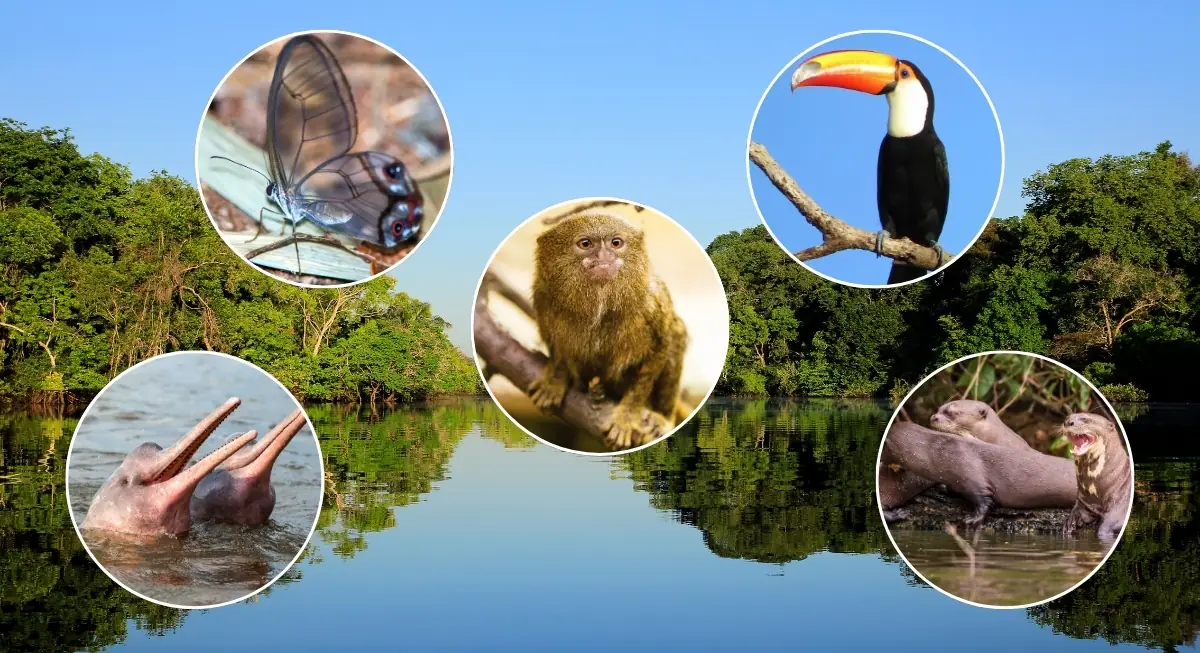
You can read about the Amazon forest for years and still not come close to grasping how strange its wildlife really is. The rainforest holds animals that glow, mimic wood, run on water, or carry bright red faces without flinching.
Scientists still discover new species here every year, but even the well-known ones don’t behave like animals anywhere else. These are just a few worth knowing.
Amber Phantom Butterfly
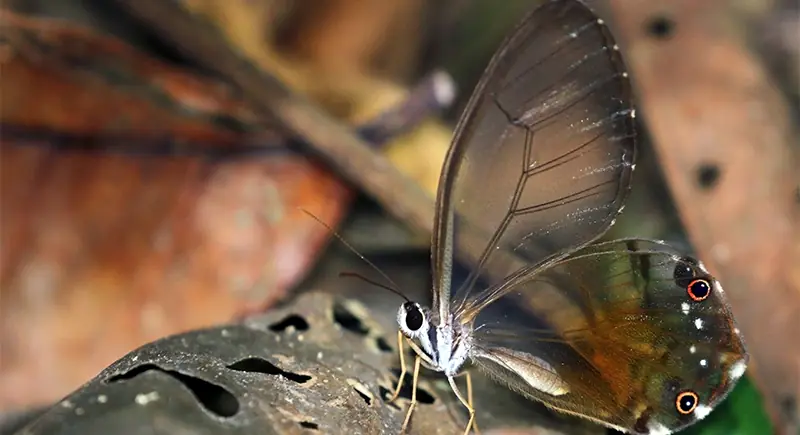
The Amber Phantom butterfly’s transparent wings and soft amber tint make it difficult to notice in the shaded forest. Haetera Piera lives near the ground in the Amazon rainforest, ranging from sea level to about 5,000 feet. It feeds on decomposing mushrooms and rotting fruit, which are easier to find in the humid, low-light conditions of the forest floor.
Amazon River Dolphin
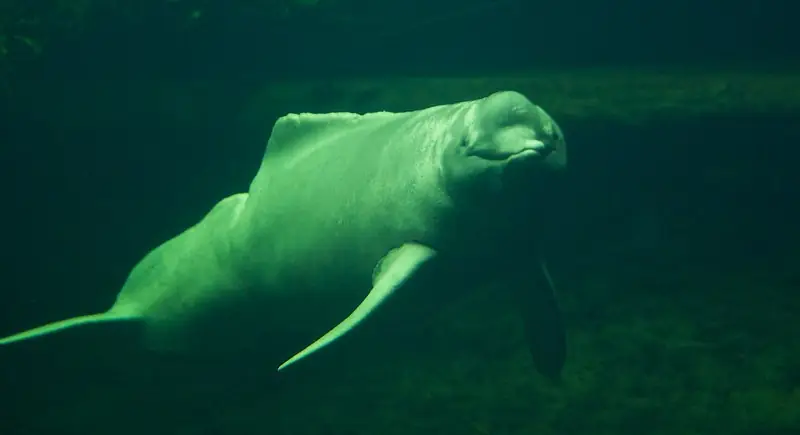
People often do a double-take when they first see one, this dolphin is actually pink. The Amazon river dolphin, also known as the boto, can be found in freshwater and swims through flooded forests. Scientists believe males turn pinker as they age, especially during mating season.
Giant Otters
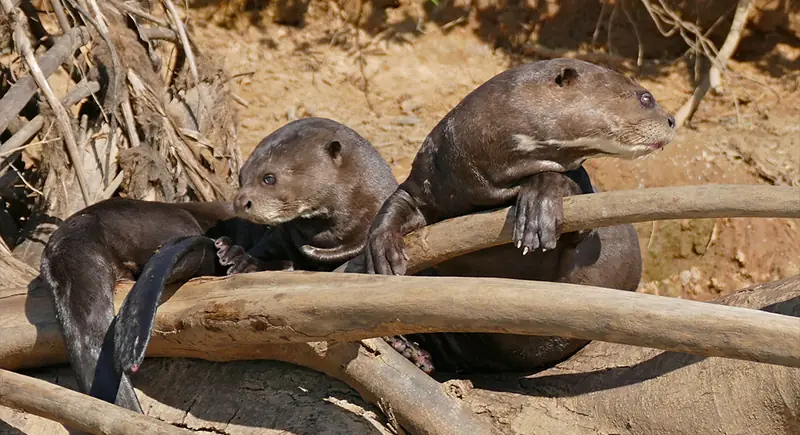
Fewer than 5,000 giant otters remain in the wild, mostly within protected zones of the Peruvian and Brazilian Amazon. They reside in close family groups and rely on constant vocal communication (sharp barks, squeaks, and whistles) to stay coordinated. Each group raises pups together and fiercely defends its territory.
Bald Uakari
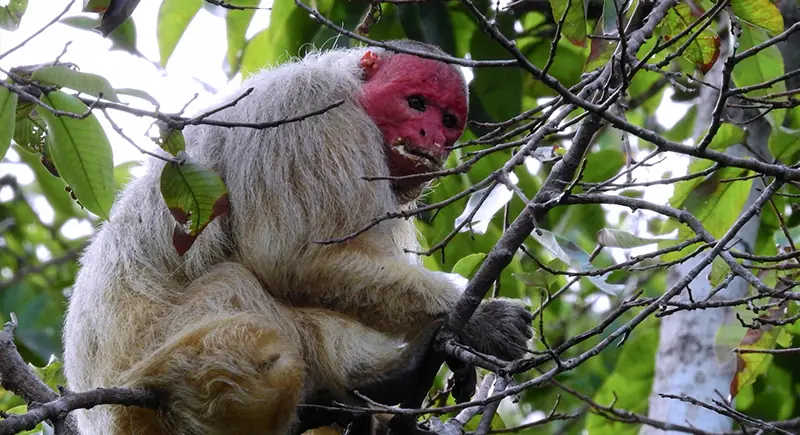
Red-faced and short-tailed, the bald uakari stands out in a rainforest full of color. Its crimson face actually signals good health, which plays a role during mating season. The species stays close to seasonally flooded forests, where it forages for fruits, seeds, and unripe nuts. Unlike other monkeys that leap through trees, it moves more cautiously and spends long hours feeding.
Jaguar
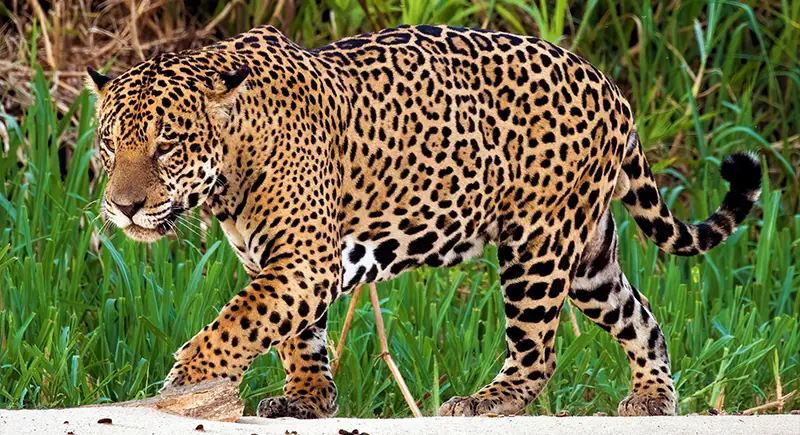
At close range, the jaguar shows little hesitation. Its bite can pierce bone and crack a turtle shell. This cat likes dense forests near water, where it ambushes prey including caimans, deer, and capybaras. As a solitary hunter, it moves silently, mainly at night. Jaguars once roamed across both Americas, but now a large number are in the Amazon Basin.
Capybara
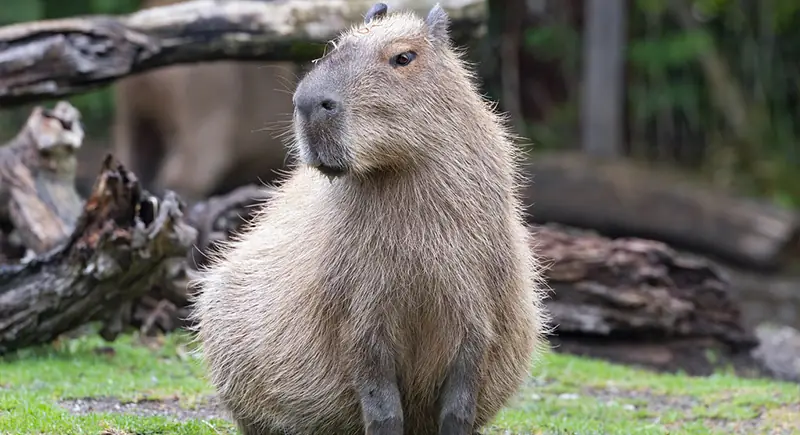
It’s not immediately obvious, but the capybara is the world’s largest rodent. It can weigh over 140 pounds and chooses wetland areas with dense vegetation. Its body shape and webbed feet make it an excellent swimmer. During the hottest hours, it rests in water with only its eyes and nostrils exposed.
Toucan
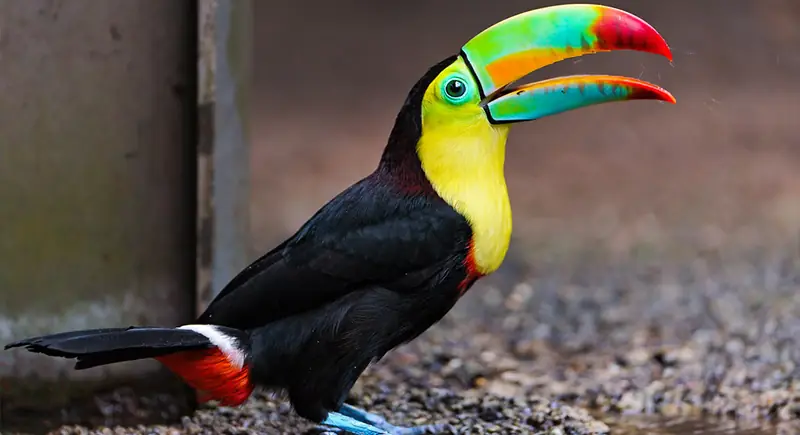
One of the first things you will notice about a toucan is its bright yellow-orange beak, but that huge beak does more than look interesting. It is used to reach fruit, peel it, and toss pieces back into the animal’s throat. Blood vessels inside the beak also help release excess heat in the rainforest’s humid climate.
Potoo
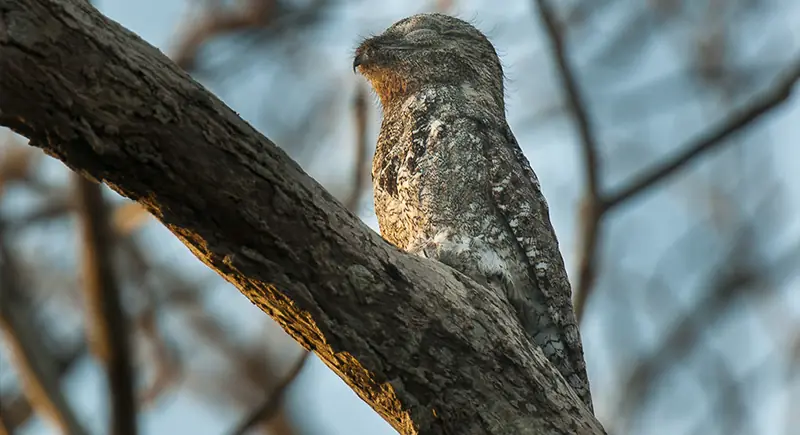
Spotting a potoo feels like discovering a trick of the forest. This animal mimics dead wood so well that people walk right past it. You will see it become active after dark while it hunts flying insects with a sudden swoop, with its wide eyes assisting with easy navigation.
Glass Frog
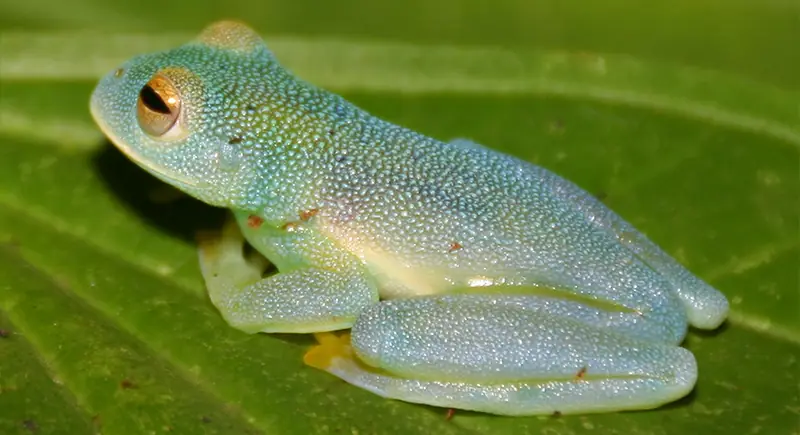
The glass frog has translucent skin on its underside, which reveals its liver, intestines, and a beating heart. Many stay hidden during the day and cling to the underside of leaves near running streams.
Squirrel Monkey
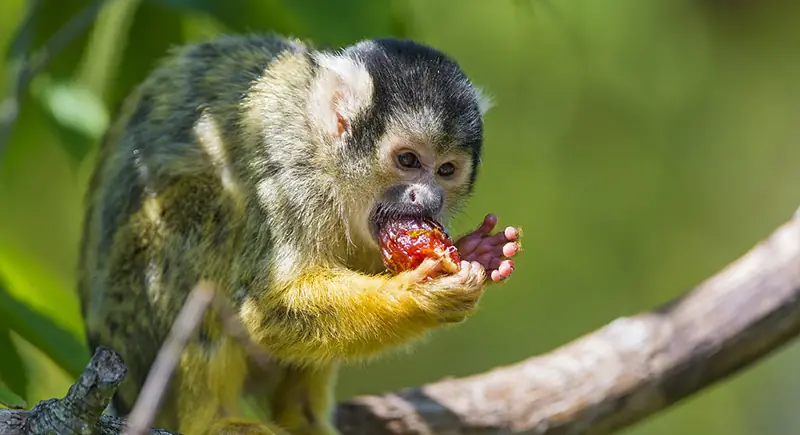
Groups of squirrel monkeys chatter nonstop as they move through the trees. A single troop can include over 300 individuals, with subgroups constantly forming and shifting. Their sharp eyesight helps them catch insects midair, while fruit makes up the rest of their diet.
Jesus Lizard
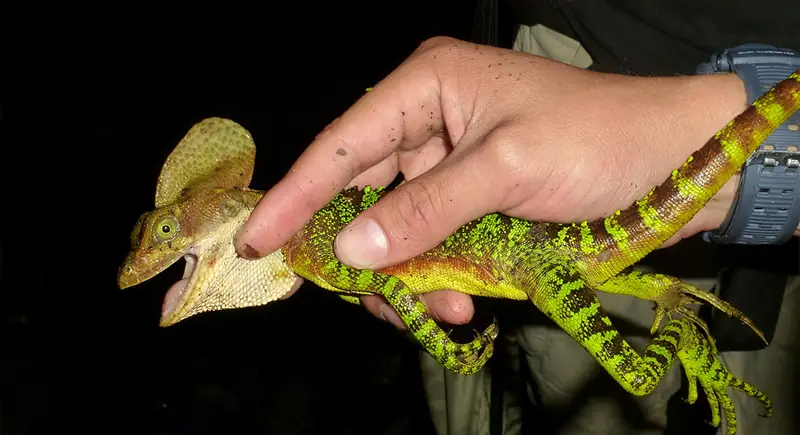
Running across water sounds impossible, but the common basilisk pulls it off for about 15 feet before sinking. Adults grow up to 30 inches long, using speed, webbed toes, and strong legs to stay above the surface. It prefers areas with dense cover and quick escape paths.
Green Iguana
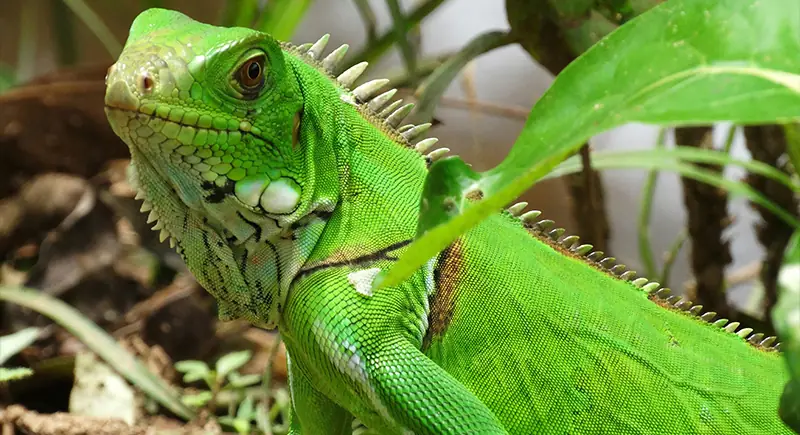
This large, tree-dwelling lizard can reach six feet in length and tends to go unnoticed despite its size. Though usually herbivorous, the green iguana can act defensively if cornered, using its tail as a whip. In the Amazon, you’ll see them near rivers, especially in areas with tall, leafy trees.
Bullet Ant
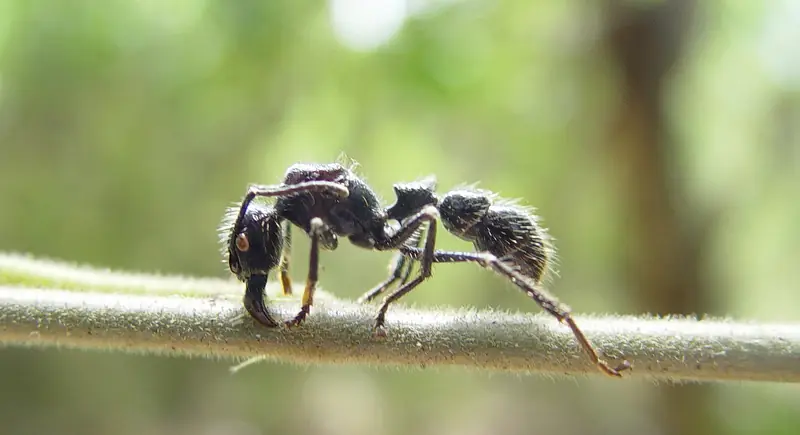
Pain from a bullet ant sting can last an entire day and feels sharp, intense, and deep. People describe it as similar to stepping on burning coals with a nail in your foot. The venom contains poneratoxin, a neurotoxin that interferes with nerve signaling and causes prolonged pain. These ants are also used in some tribal initiation ceremonies involving repeated stings.
Howler Monkey
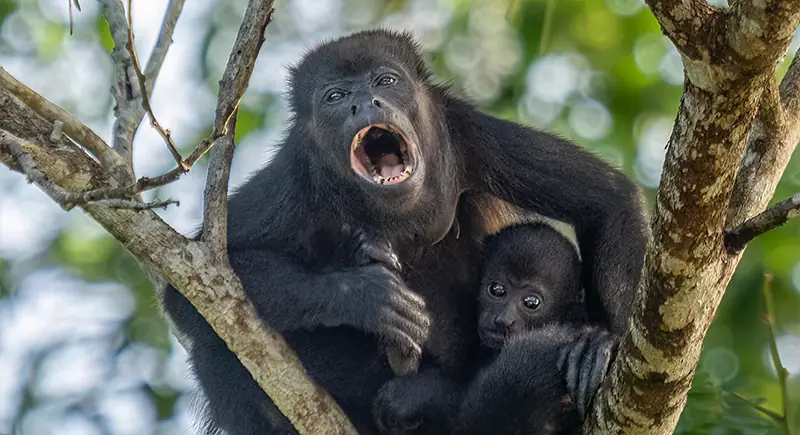
Well before sunrise, a deep, guttural call rolls through the canopy and carries for miles. That unmistakable sound belongs to the howler monkey, one of the loudest land animals on Earth. A hollow, enlarged hyoid bone near its throat acts like a built-in resonance chamber that allows even small groups to sound much larger.
Pygmy Marmoset
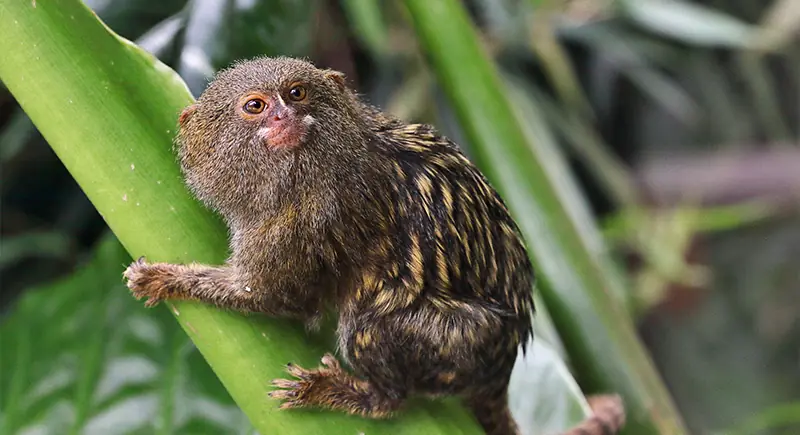
Weighing just five ounces, the pygmy marmoset is the smallest monkey in the world. Its fluffy coat makes it seem larger than it really is, but it could easily sit in your hand. Unfortunately, infant mortality is high, with only about 25% of these animals surviving to adulthood. Illegal pet trade and deforestation continue to threaten its already fragile population.
Matamata Turtle
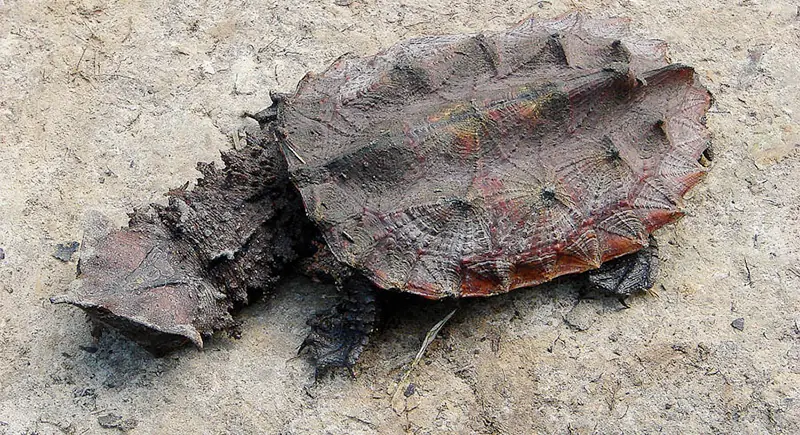
At first glance, the matamata turtle looks less like an animal and more like a pile of leaves drifting through the water. That is the point. Fish swim close without a second thought. Then comes the surprise. Instead of chasing prey, the turtle opens its mouth and creates a vacuum that pulls fish straight in.
Electric Eel
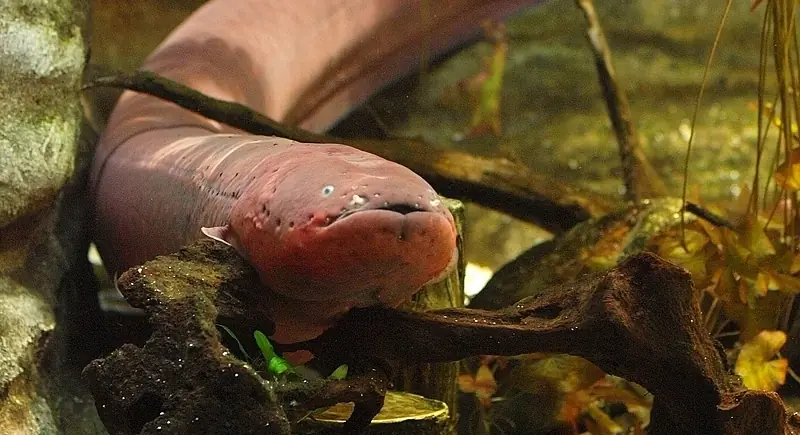
A stretch of muddy water can hide an electric eel just beneath the surface. Despite its name, it is not actually an eel but a type of knifefish. Its body works like a living battery. One jolt can stun prey, drive off predators, and leave anything nearby with a story to tell.





