
If you have ever gone hunting, you already know success does not come down to luck. It demands patience, planning, steady hands, and careful timing. You think about distance, wind, angle, and movement before you act. All of this means that you are using physics every step of the way.
Animals operate under the same scientific principles, since they cannot afford wasted effort or missed opportunities. To survive, they rely on measurable forces like speed, pressure, resistance, and trajectory.
Bolas Spider Swings a Weighted Silk Line
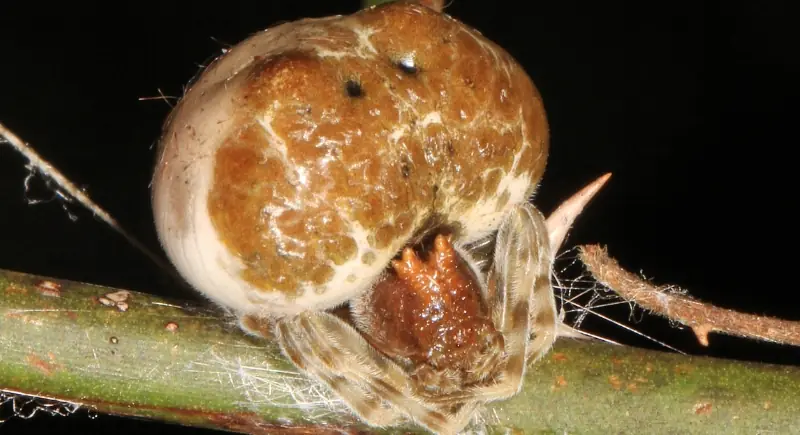
The female bolas spider belongs to the orb-weaver family, yet she abandons the typical web design. Instead, she produces a single silk thread tipped with a sticky droplet. When a male moth approaches, she swings the silk in a controlled arc. The weighted droplet gains speed through pendulum motion and strikes the wings mid-flight.
Cheetah Calculates Interception Angles
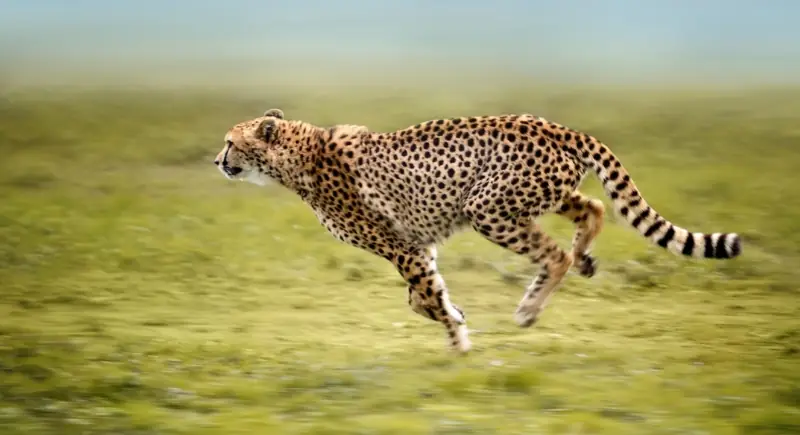
Researchers have observed that cheetahs do not simply sprint behind prey in a straight line. In fact, it accelerates to about 70 miles per hour in seconds and still manages to refine direction during the chase. The cat anticipates the prey’s escape path and cuts across angles to meet it ahead.
Spitting Cobra Projects Venom with Precision
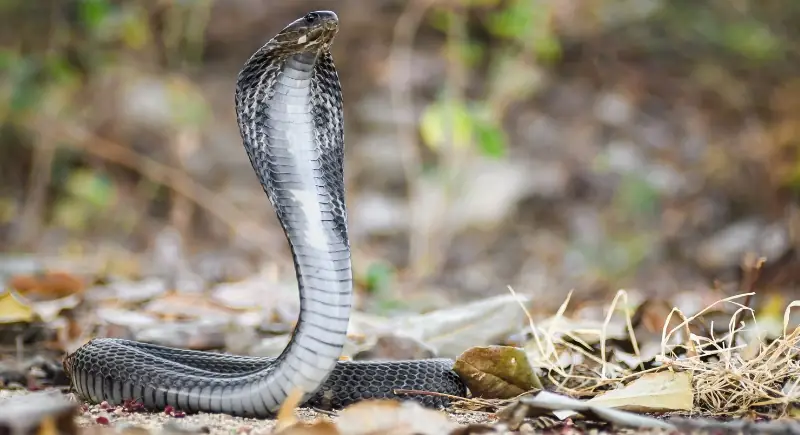
According to reports, the spitting cobra can strike targets as far as six feet with significant accuracy. It releases venom at roughly eight feet per second and directs the spray toward the eyes of a threat. As soon as the venom makes contact, it causes intense irritation and can disrupt vision almost immediately.
Horned Lizard Uses Blood Pressure Mechanics
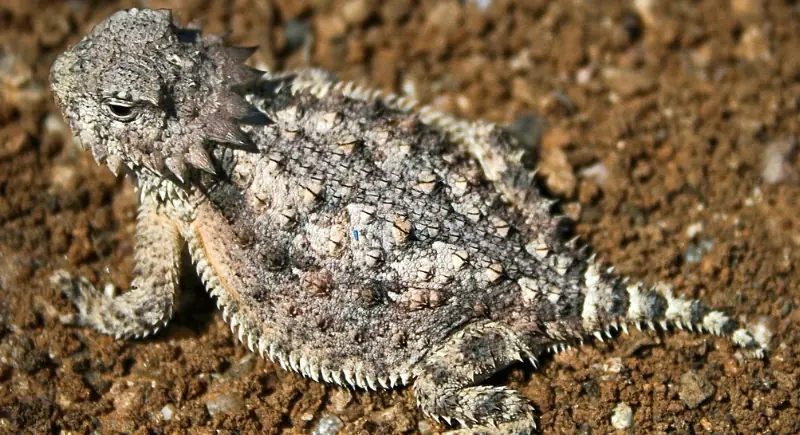
If you threaten a horned lizard, it responds by increasing blood pressure in the vessels around its eyes. That pressure builds until small vessels rupture, sending a stream of blood outward that can reach nearly 5 feet. The sudden spray startles attackers and leaves a foul taste that discourages further pursuit.
Electric Eel Generates Coordinated Voltage
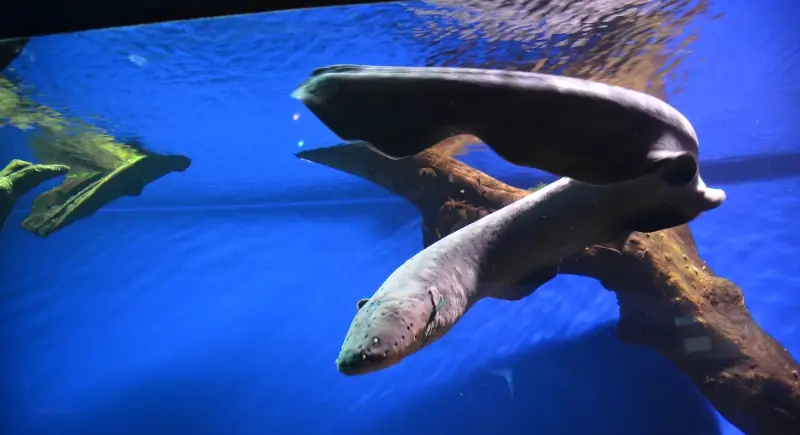
Visibility remains low in the sediment-rich freshwater habitats where electric eels live, so the creature depends on its electric field to hunt. Specialized cells called electrocytes line its body in stacked formations. When triggered by a neural signal, these cells discharge simultaneously and can generate up to 860 volts.
Humpback Whale Forms a Bubble Net
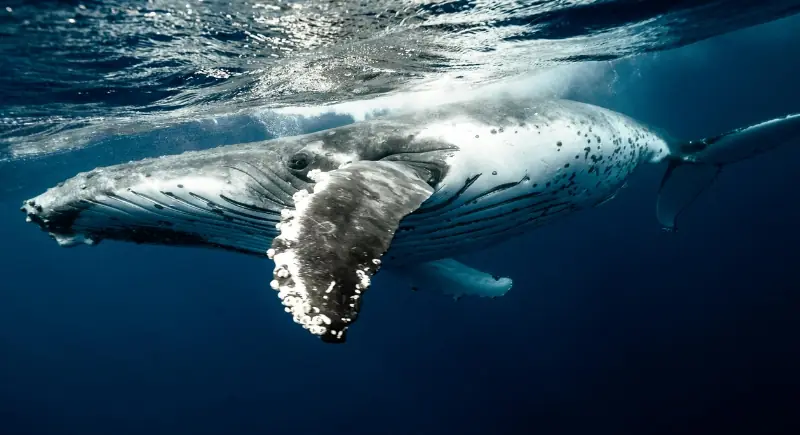
You may have seen whales swim in coordinated circles beneath a school of fish. By doing so, the large mammals send spirals of bubbles that rise and form a cylindrical barrier around the fish, which cluster tightly within the bubble wall. The whales then surge upward together and engulf the concentrated group with the help of fluid motion and teamwork.
Peregrine Falcon Controls a High-Speed Descent
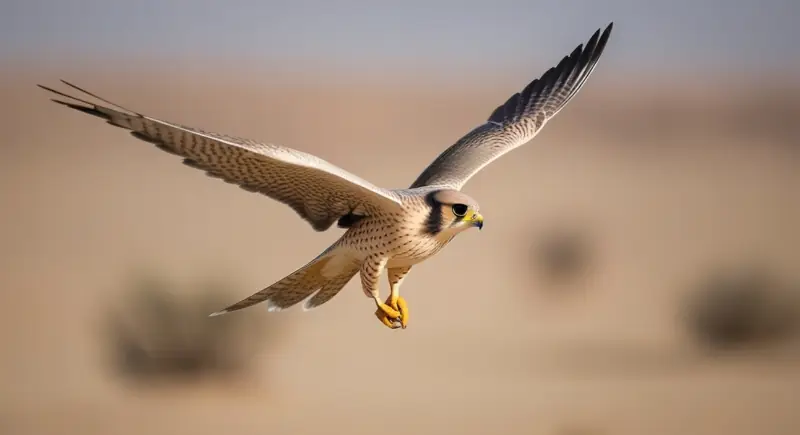
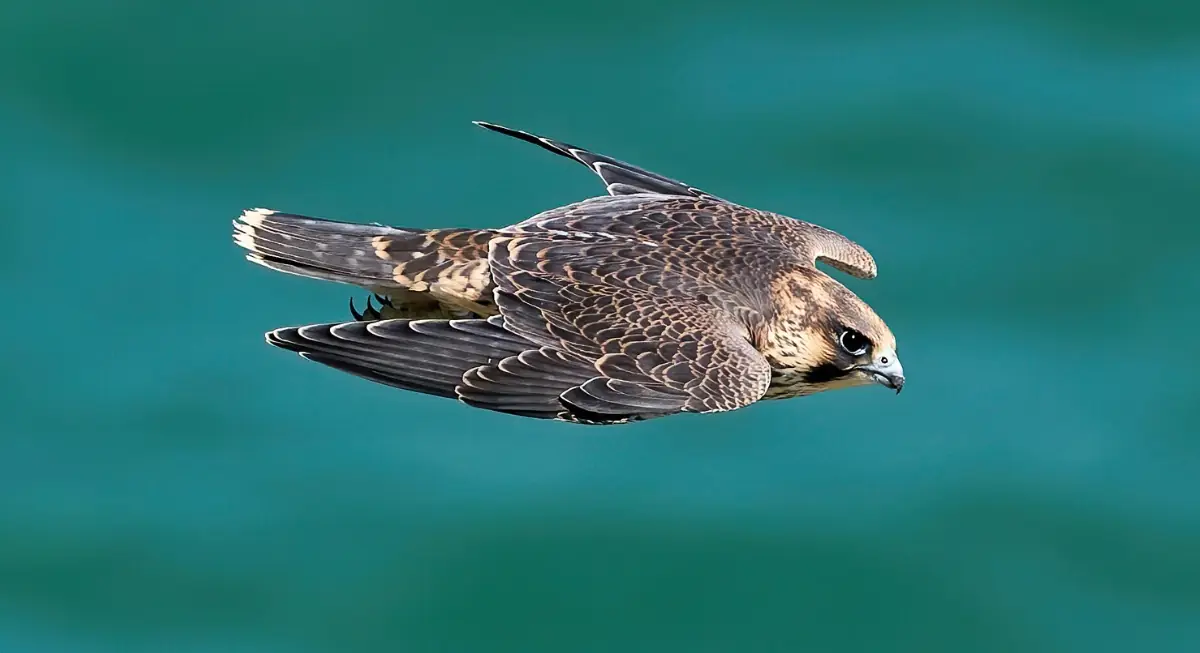
Holding the record as the fastest animal during its hunting stoop, the peregrine falcon can exceed 200 miles per hour in a steep dive. The bird pulls its wings tightly against its body to reduce drag and create a streamlined profile. Aerodynamics defines each action as the falcon closes in on its target at extreme speed.
Archerfish Corrects for Light Refraction
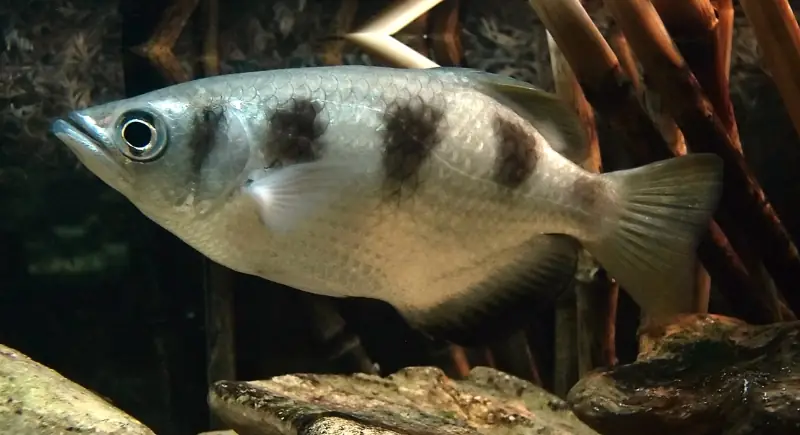
It is a known fact that light bends when passing between air and water, and that changes how objects appear beneath the surface. For this reason, the archerfish adjusts its aim to correct for refraction. It also factors in gravity, which pulls the water jet downward during flight.
Dolphins Use Echolocation to Detect Hidden Prey
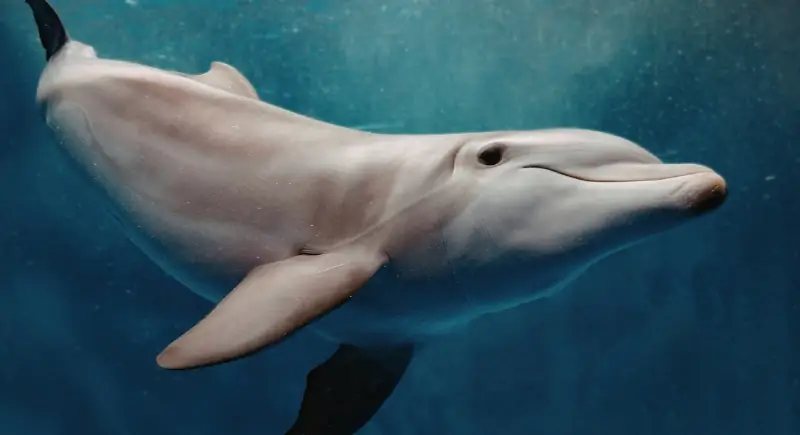
Echolocation allows dolphins to locate prey without relying on sight. They emit ultrasonic clicks that travel through water and bounce back as echoes after striking objects. The returning sound waves carry information about distance, size, and position. This system helps the animals identify fish hidden under sand or moving through cloudy water.
Antlion Constructs a Gravity-Based Trap
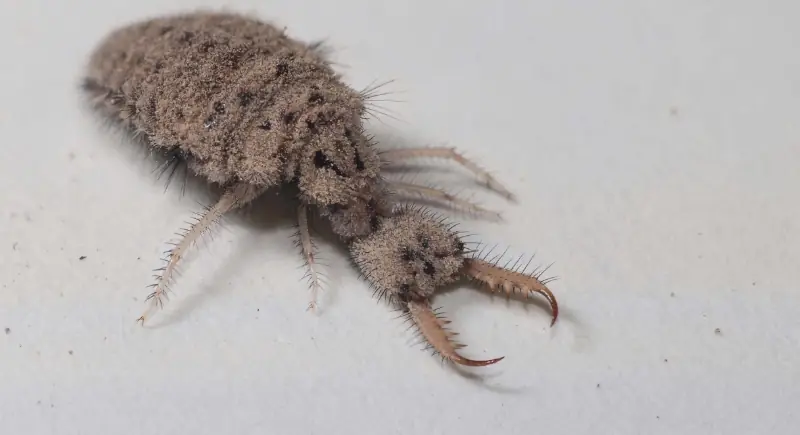
An antlion larva engineers one of the simplest yet most effective traps in loose sand. It moves in tight circles to carve a funnel-shaped pit with steep sides that sit near the angle of repose. That slope remains unstable, so any insect that steps inside begins to slide downward. The larva waits buried at the bottom with its jaws open.





