
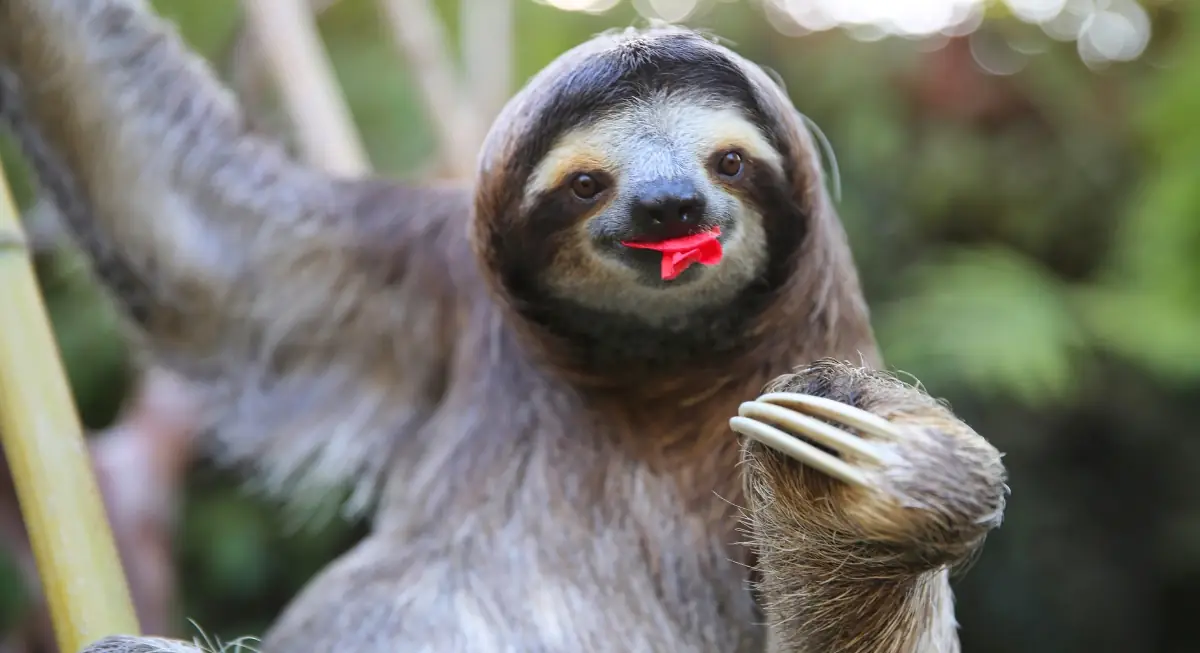
They’re slow, they’re sleepy, and they’ve taken over the internet—but sloths are more than just cute animals hanging from trees. These leaf-munching creatures live a strange and fascinating life in the treetops of Central and South America.
Don’t believe us? Here are some of the weirdest and most surprising facts about sloths that you probably didn’t know.
Only Poop Once a Week
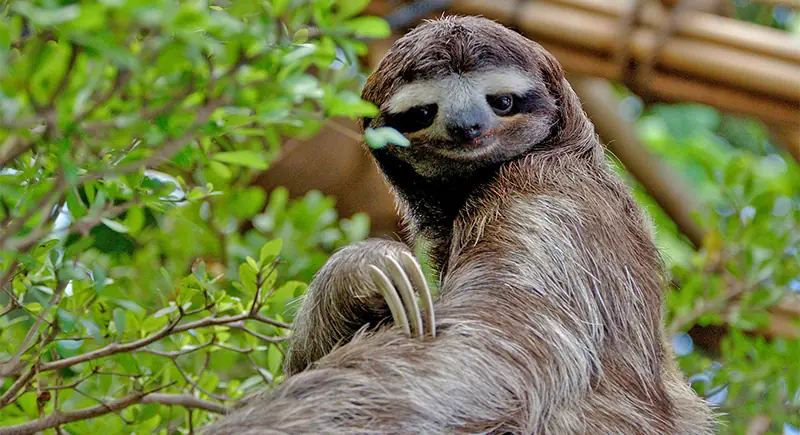
Most animals relieve themselves regularly, but sloths drop down from trees just once a week for this task. They use the same spot every time, which makes them vulnerable to predators. Scientists still don’t know exactly why they risk their safety, but this strange ritual is one of the top consistent behaviors in sloth biology.
Their Fur Hosts Its Own Ecosystem
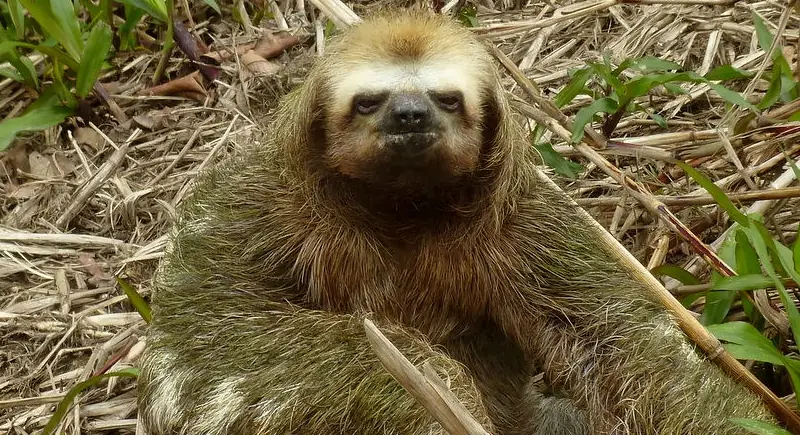
Sloth fur is home to algae, beetles, and fungi. The greenish tint you sometimes see? That’s algae growing in their coats. This unique relationship may help with camouflage. Some of the microbes in their fur have even shown potential for developing new antibiotics.
Are Surprisingly Good Swimmers
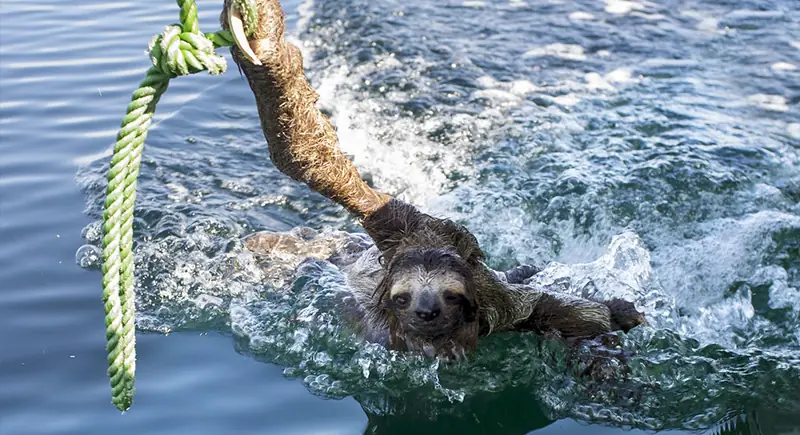
You wouldn’t expect it from an animal that barely moves, but sloths are excellent swimmers. They use a sort of doggy paddle and can hold their breath for up to 40 minutes. Water actually helps them move faster than they do on land, which comes in handy during floods in their rainforest habitat.
Teeth That Never Stop Growing
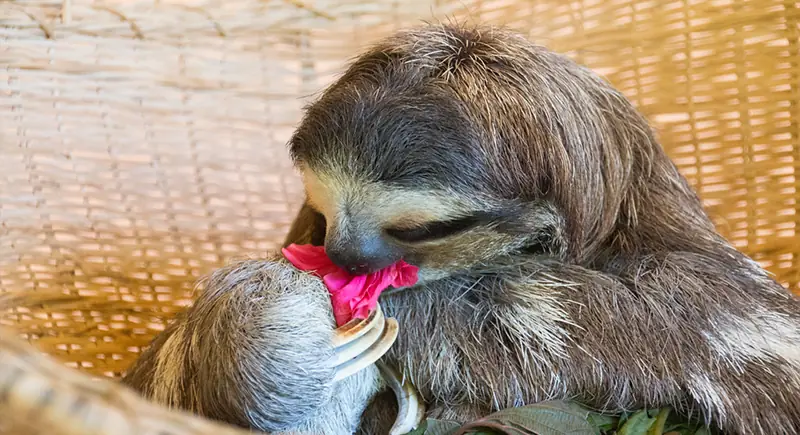
Unlike other mammals, these animals don’t have baby teeth or molars. Instead, their ever-growing peg-like teeth are constantly worn down by chewing leaves. This dental wear matches their slow metabolism. Their teeth don’t have enamel, which makes them softer than ours, but also better suited to their leafy, low-energy diet.
Can Turn Their Heads Almost All the Way Around
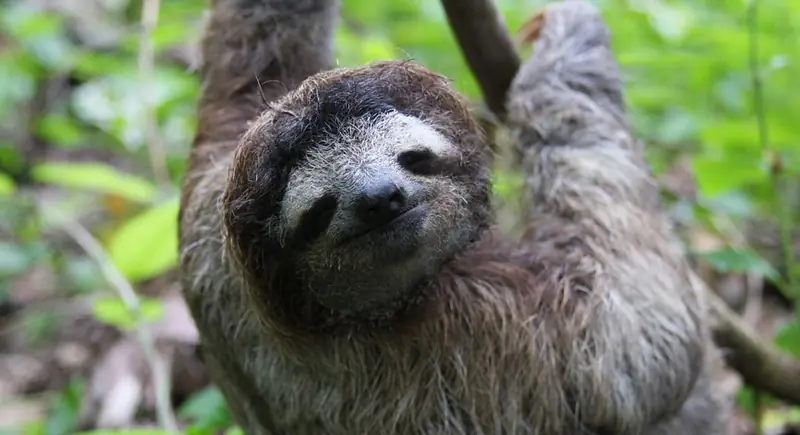
Sloths can rotate their heads up to 270 degrees thanks to extra neck vertebrae. That’s more than most other similar species and even humans. This flexibility enables them to stay alert to danger without needing to move their bodies. It’s especially helpful since moving too much could give away their position to predators.
Don’t Regulate Their Body Temperature Very Well
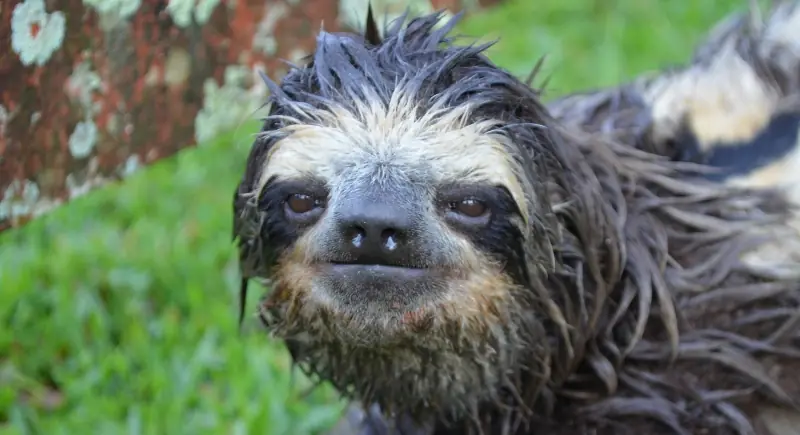
While other mammals can maintain a stable internal temperature, these internet favorites can’t. They rely on their environment to stay warm or cool, which limits where they can survive. If the weather gets too cold or wet, they become sluggish, which puts them at risk in changing climates.
Have Half the Muscle Mass of Other Mammals Their Size
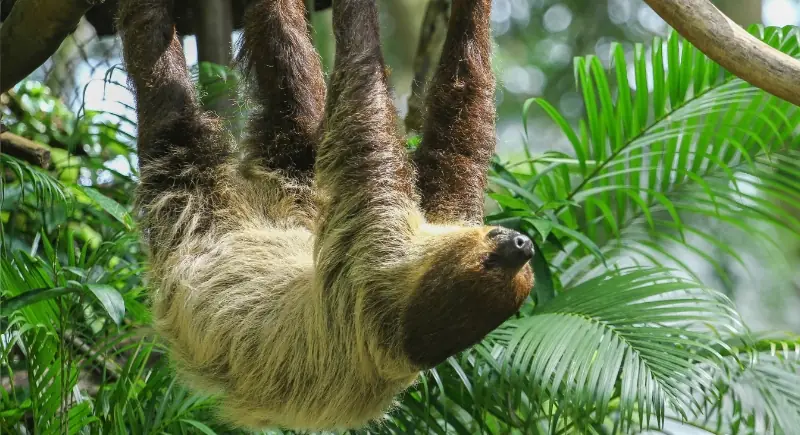
We all know that sloths are famously slow, and part of the reason is their muscle. They have about half the muscle mass of other animals their size, which makes walking almost impossible, but it also means they use very little energy. They rely on strong grip strength rather than power or speed to survive.
Have a Built-In Grip
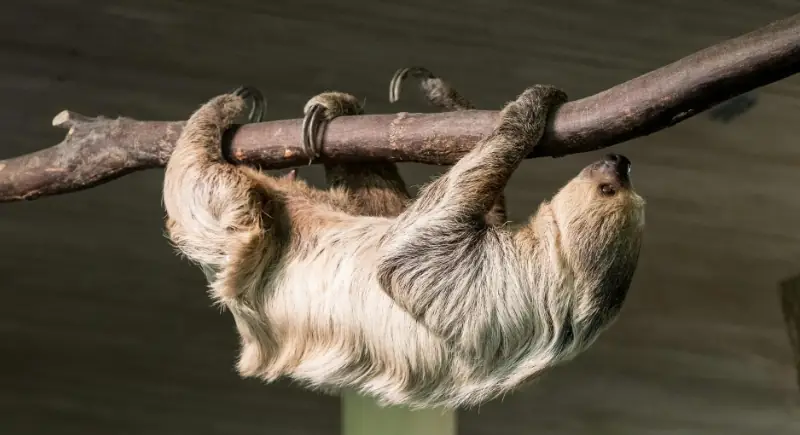
A sloth’s curved claws are long and perfectly shaped for hanging onto tree branches. Even in sleep or after death, sloths can remain suspended from trees because their grip doesn’t rely on muscle tension. This feature allows them to conserve energy and stay safely hidden in the canopy.
Can Lose Up to a Third of Their Body Weight When Pooping
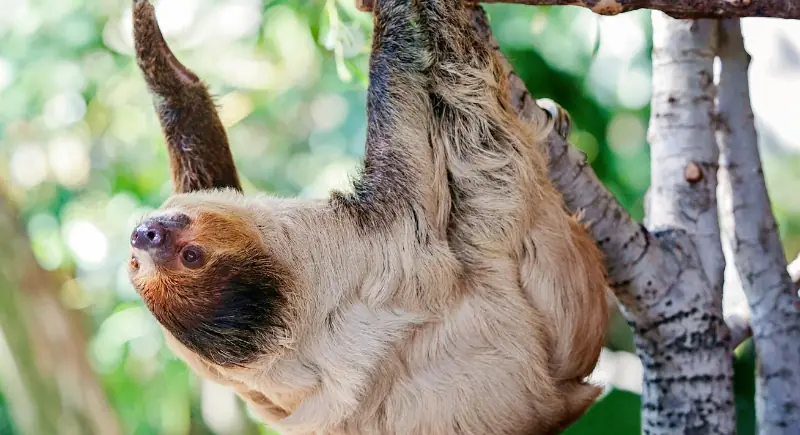
Because they hold it in for so long, these tree-dwellers eliminate massive amounts all at once. One bathroom trip can reduce their body weight by over 30 percent. That’s one of the most extreme digestive behaviors in the animal kingdom—and likely a result of their incredibly slow digestion process.
Are Related to Armadillos and Anteaters
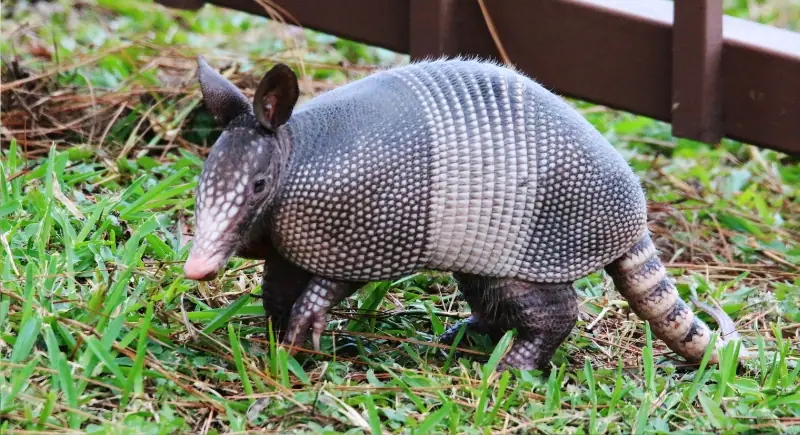
Sloths belong to the order Pilosa, a group that includes anteaters and armadillos. While they don’t look much alike at first glance, these animals share genetic and anatomical traits. This distant family connection explains some of their shared quirks, like unusual claws.
Can Take a Month to Digest a Single Leaf
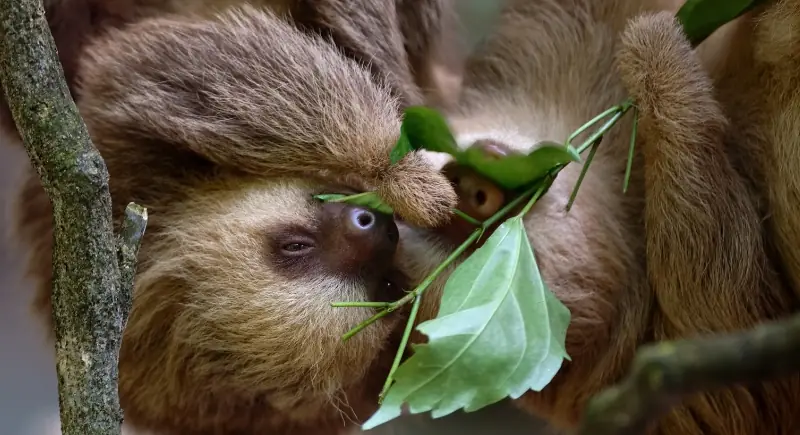
Digestion happens at a snail’s pace in sloths—literally. It can take up to a month to break down one meal. Their four-part stomach takes its time to extract nutrients from fibrous leaves, which helps stretch out energy in an otherwise low-calorie diet.
Two-Toed and Three-Toed Sloths Aren’t That Closely Related
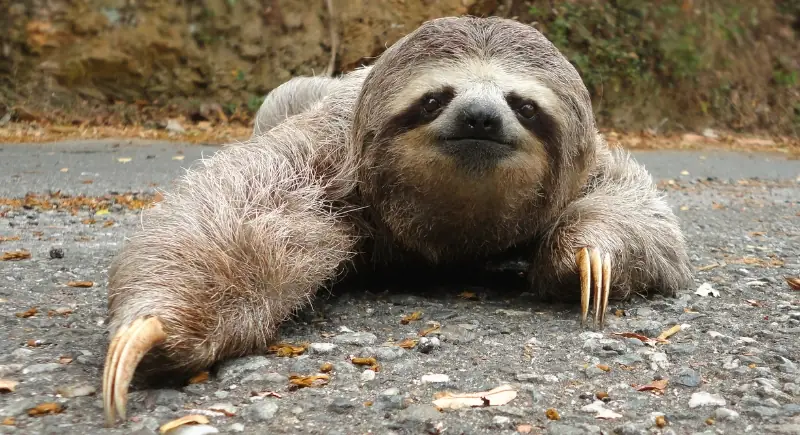
Despite their similar names, the two types of sloths belong to different families and have different evolutionary histories. Two-toed sloths are slightly larger and more active, while the three-toed ones have specialized features like extra neck vertebrae. Scientists believe their similarities are a result of convergent evolution.
Quieter Than Mice
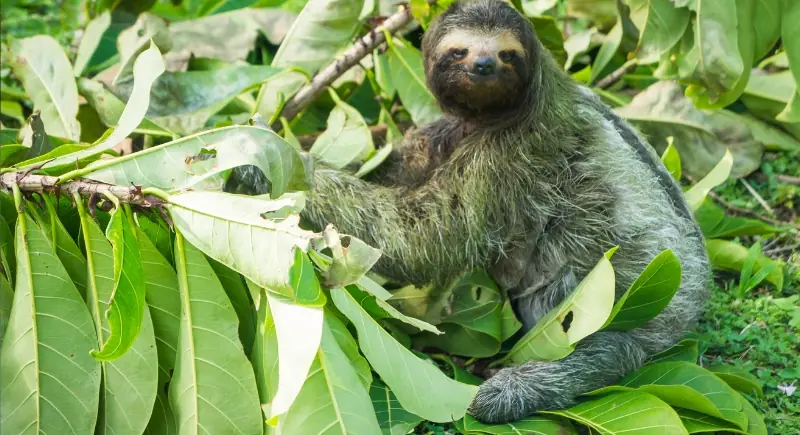
Sloths are incredibly quiet animals. They make almost no noise when they move and rarely vocalize. This silence helps them avoid attracting attention from predators. In fact, many researchers studying these species rely on visual tracking rather than sound because these creatures are so difficult to detect by ear.
Baby Sloths Hold Tight for Months
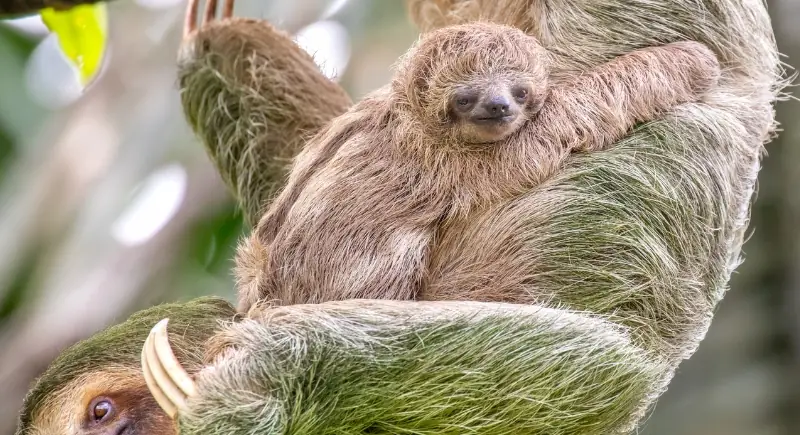
After birth, a baby sloth clings to its mother’s belly for about six months. During this time, the young one learns how to find food and move through trees. The extended bonding period creates a strong connection, and the mother’s pace allows the baby to stay safe and close.
Some Fossil Sloths Were the Size of Elephants
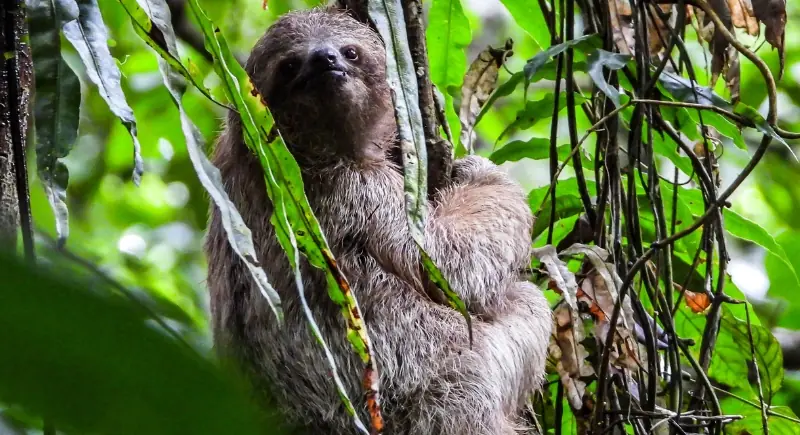
Ancient, giant ground sloths roamed the Americas. Some reached the size of modern elephants and lived alongside early humans. Though extinct, these ancestors show just how drastically sloths have changed—from huge, earth-shaking giants to quiet, tree-hugging climbers of the rainforest.
Possess More Neck Vertebrae Than Giraffes
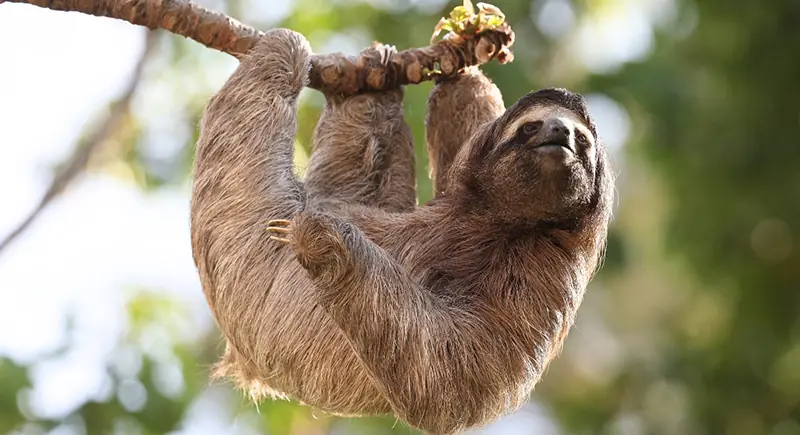
Most mammals, including giraffes, have seven neck vertebrae. Some sloths break that rule. Two-toed sloths usually have five to seven, while certain three-toed species can have up to nine. That extra flexibility helps them rotate their heads far around, which is useful when scanning the canopy without moving their entire body.
Spend Most of Their Lives Upside Down
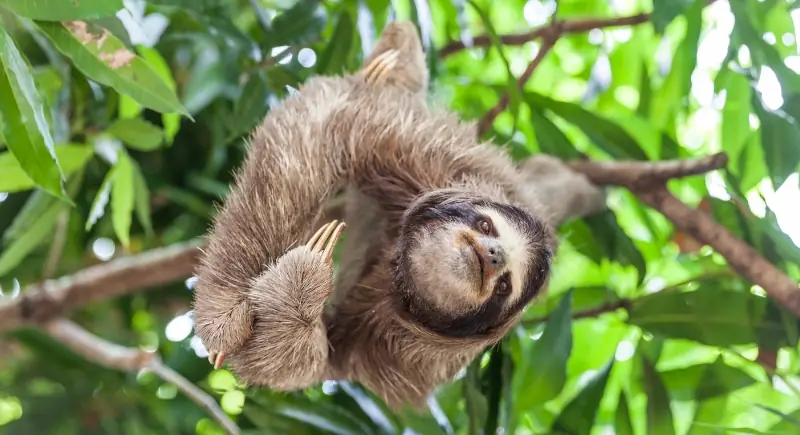
Sloths are biologically engineered to live inverted. Unlike most mammals, their internal organs—including the liver, stomach, and kidneys are attached to their rib cage with unique fibrous adhesions. This prevents their heavy digestive system from pressing against their lungs, allowing them to breathe effortlessly while hanging upside down for days.





