
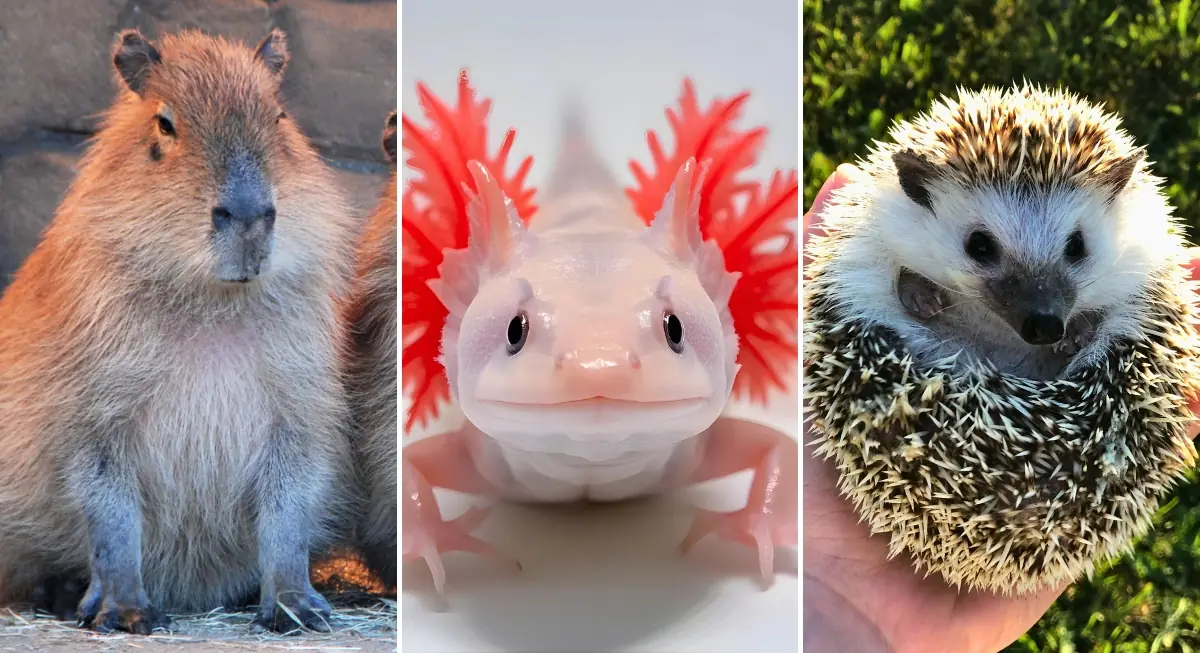
Owning exotic animals sounds like something reserved for wildlife parks, but in many U.S. states, people legally keep wild creatures as pets. Laws vary widely, and care requirements are rarely simple. Most need more than just a place to sleep and something to eat. You’ll be dealing with specific diets, detailed setups, and a serious time commitment.
If you’re considering something beyond a cat or dog, this list can help you.
Fennec Fox
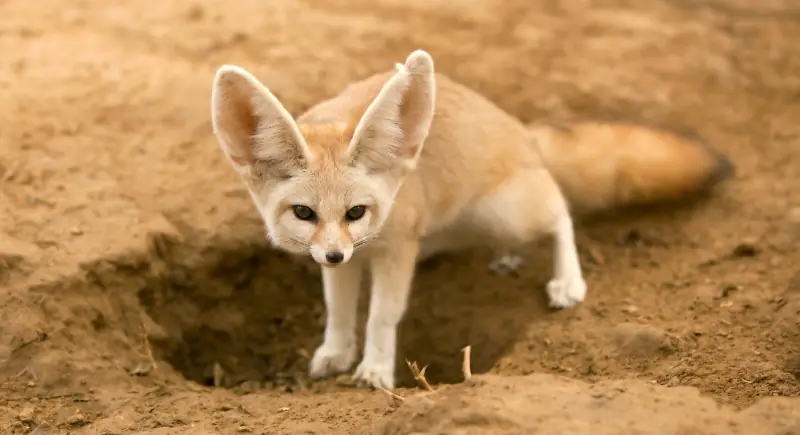
This tiny fox stays active long after you’ve gone to bed. It digs nonstop, makes sharp yipping sounds, and requires a large space for activity, so a secure outdoor area would make a big difference. Most fennec foxes don’t like being picked up, but they often learn routines and become less skittish around regular caretakers.
Capybara
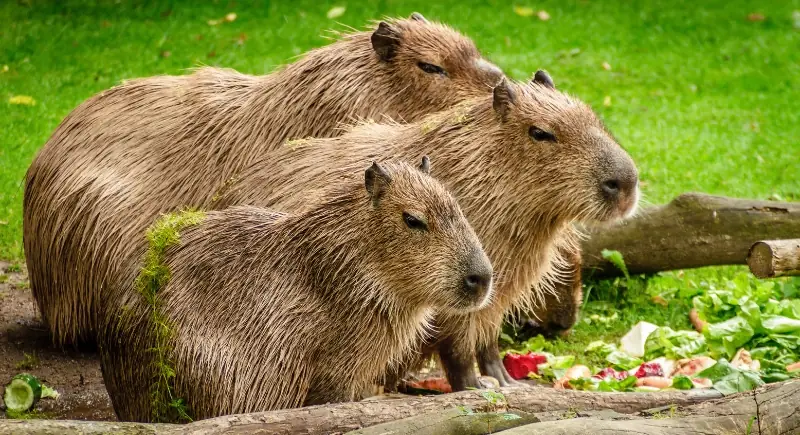
Capybaras are social animals that prefer living in pairs and love having daily access to water deep enough to sit and float in. They spend much of the day soaking or grazing. While they often tolerate other animals, space, regular feeding, and a clean, semi-aquatic setup are essential for Capybaras.
Sugar Glider
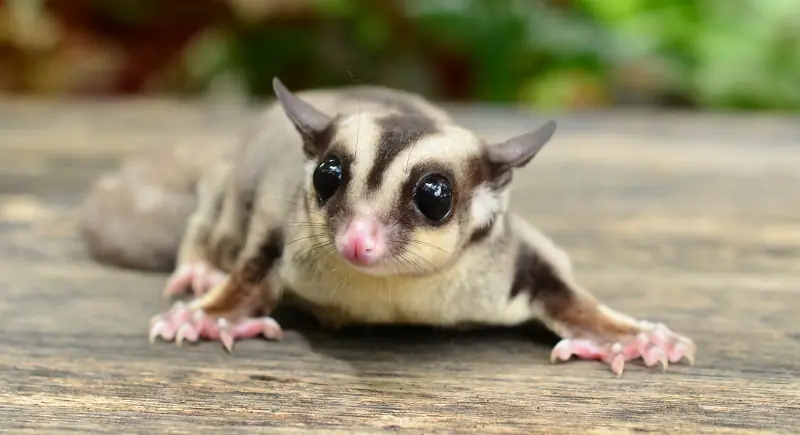
These small marsupials are highly social. Without a companion, they often become anxious or withdrawn. At night, they’re active and vocal, gliding, climbing, and calling out for attention. They gradually learn to recognize familiar people, mostly through scent and voice, but building that bond takes consistency.
Kangaroo
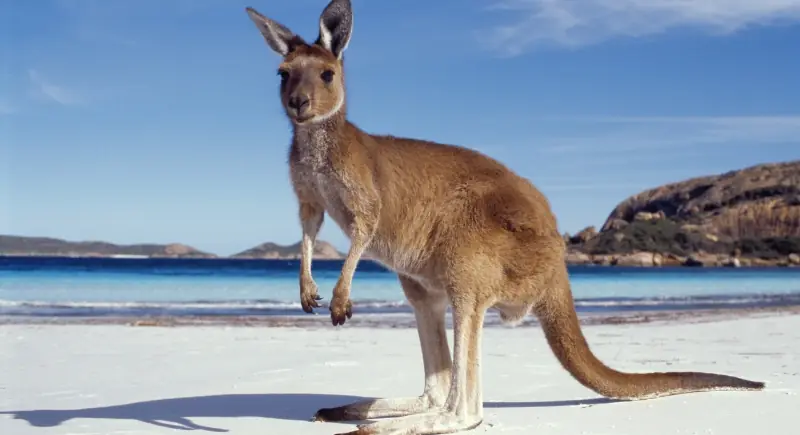
They’re legal in some states, but that doesn’t make them easy to care for. Males, especially, get aggressive during the breeding season. Feeding is simple, but the physical space requirements make care much harder. Without enough room or supervision, Kangaroos can hurt themselves or others without meaning to.
Tamandua
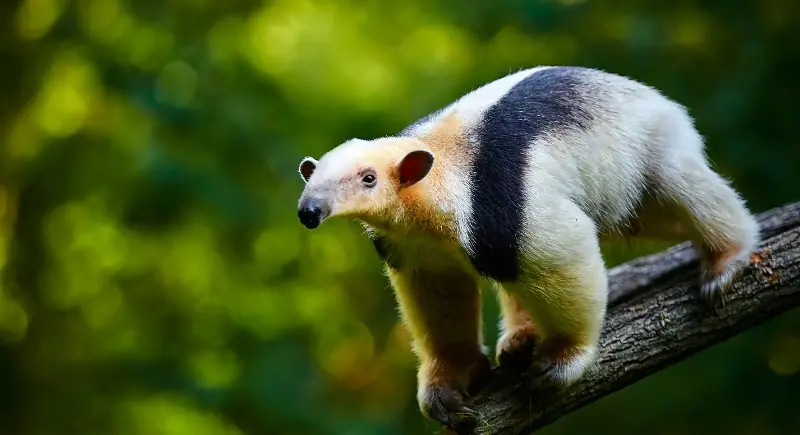
Mainly known as anteaters, they rely on long tongues and strong claws to eat ants and termites. In captivity, their insect-heavy diet takes planning and often includes specialized food mixes. Soft, climbing surfaces are important, and you’ll have to supervise them unless you want claw marks across your couch.
Axolotl
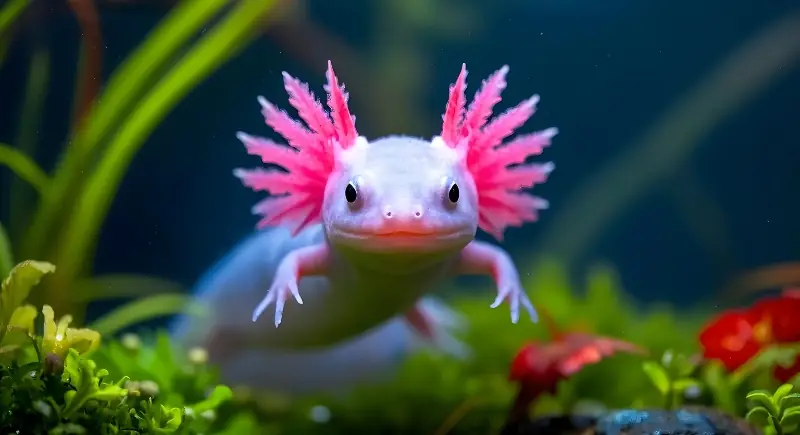
You may have noticed how Axolotls are always smiling, but they’re not exactly friendly. In fact, most pick a quiet corner and stay there for hours, barely moving unless it’s mealtime. They also never leave the water, which means that they depend on tank quality to survive. Cold, still water is ideal, with gentle filtration and a soft substrate like sand or bare glass.
Raccoon
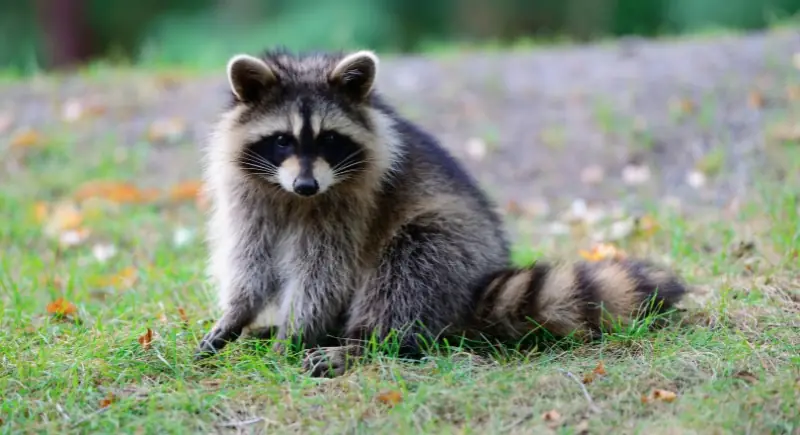
Living with a raccoon is anything but quiet. They’re intensely curious and will open drawers, climb furniture, and investigate anything that isn’t locked down. Without daily stimulation, they can become destructive. Some can be trained with effort and patience, but even then, they tend to test limits.
Skunk
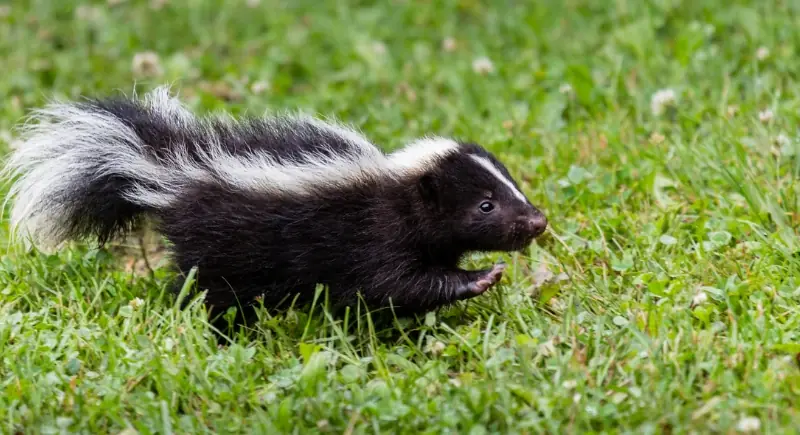
Once the scent glands are removed, skunks tend to be calm, curious companions. They like quiet spaces, regular routines, and soft sleeping areas. Most are food-motivated and will come when called if trained early. Some bond closely with their owners, but they stay cautious around new people and loud spaces.
Bearded Dragon
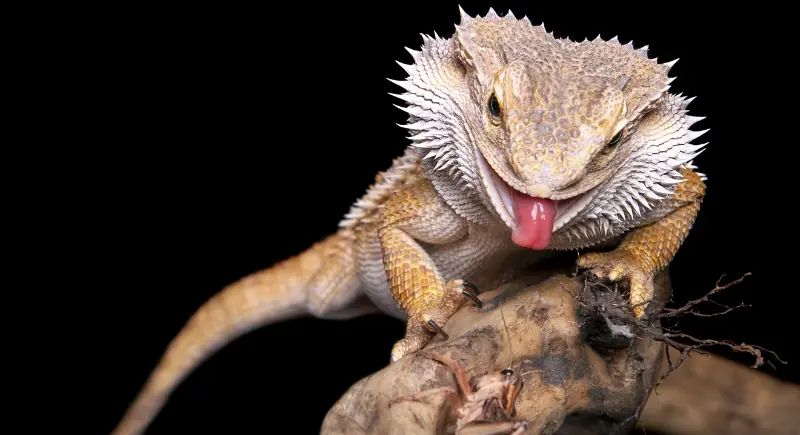
Reptile enthusiasts prefer bearded dragons because they are slow-moving and easy to handle. Give them a warm tank with proper lighting and space to move, and they’re good to go. Many tolerate being held and will perch on a shoulder without fuss.
Tarantula
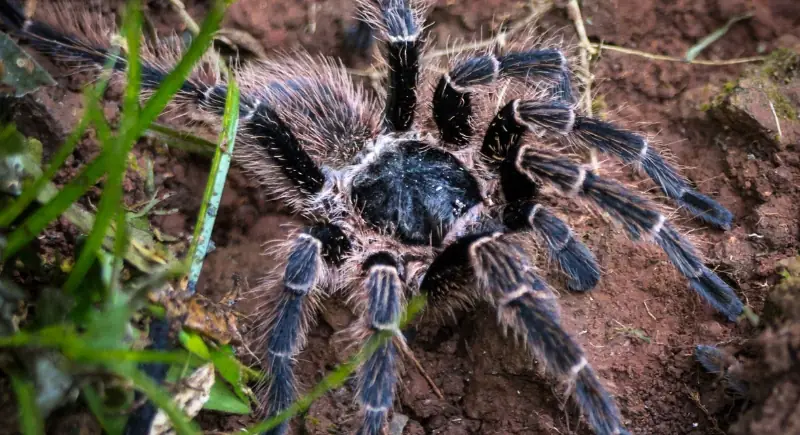
These spiders demand very little care beyond regular feeding and maintaining the right environment. They dislike being touched and won’t interact with you in any meaningful way, but they’re still fascinating to observe. Most will find a dark corner and stay there, only coming out when it’s time to eat.
Alligator
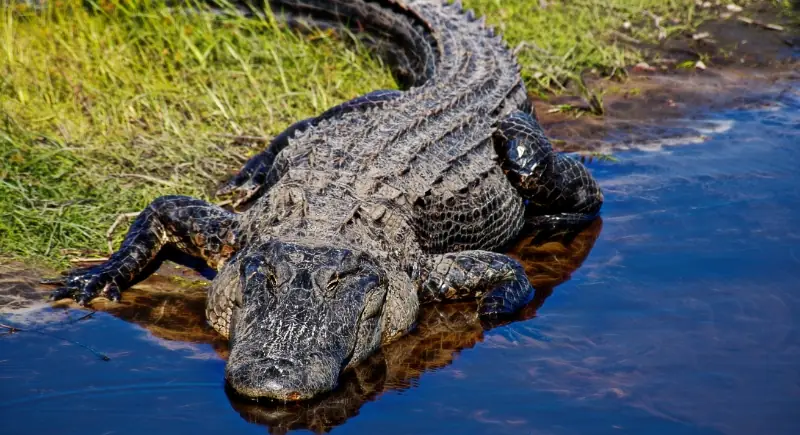
People often buy them small, but realize that the enclosure needs to grow as fast as the animal does. An adult alligator can top 11 feet and live for decades. Their diet includes raw meat, and their strength increases quickly. Even if you raise one from a hatchling, there’s no guarantee it will stay manageable.
Llama
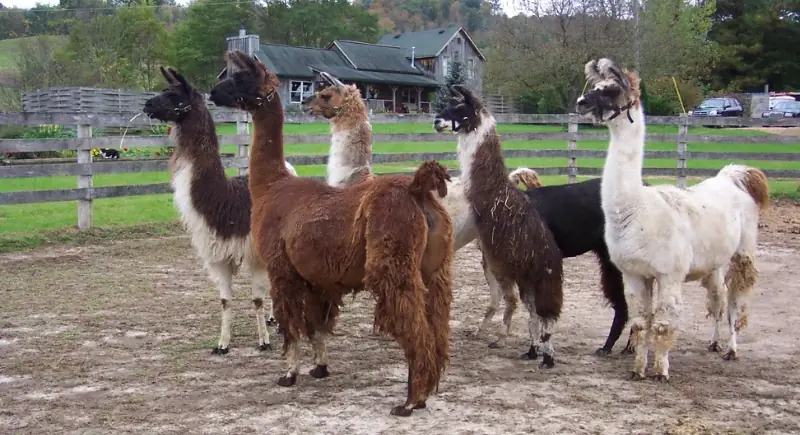
You’ll usually find them on farms, but llamas don’t require as much maintenance as people think. They graze, stay near their herd, and generally avoid drama unless provoked. They’ll spit when annoyed, but that’s about the extent of their bad behavior. As long as they have shelter, pasture, and a companion, they’re content.
Hedgehog
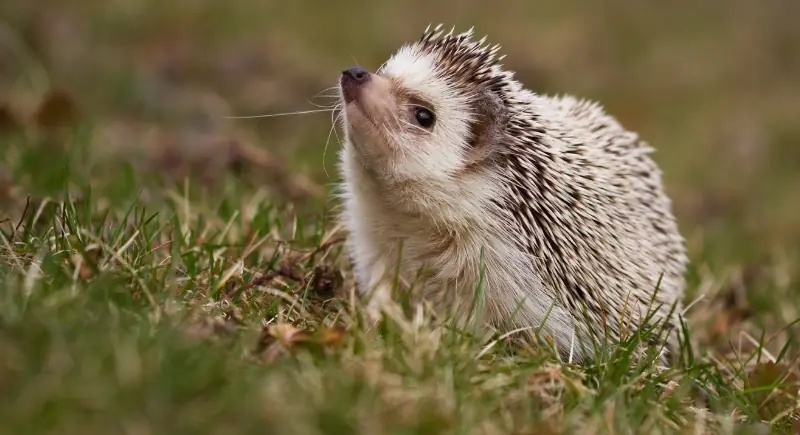
Hedgehogs roll into a ball when scared and take time to warm up to handling. Once settled, they become curious and fairly predictable. Warmth is non-negotiable, especially during cooler months, since cold temperatures can trigger hibernation, which can be dangerous in captivity. If you want a quiet pet that stays out of the way during the day, they fit well into that routine.
Porcupine
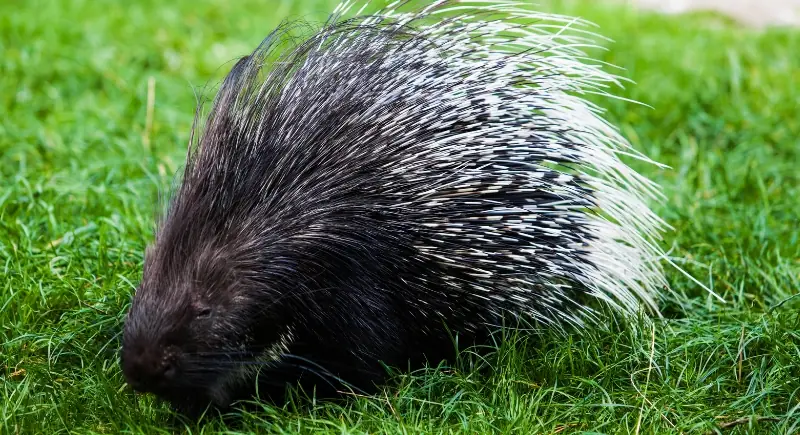
These pets tend to avoid interaction unless familiar. Some will come over for food and may allow gentle handling once they’re used to you, but that kind of trust takes time. They’re stronger than they look and don’t respond well to sudden movements. Their diet includes bark, roots, and leafy greens, and they do best in a quiet area where they can explore and chew without being disturbed.
Kinkajou
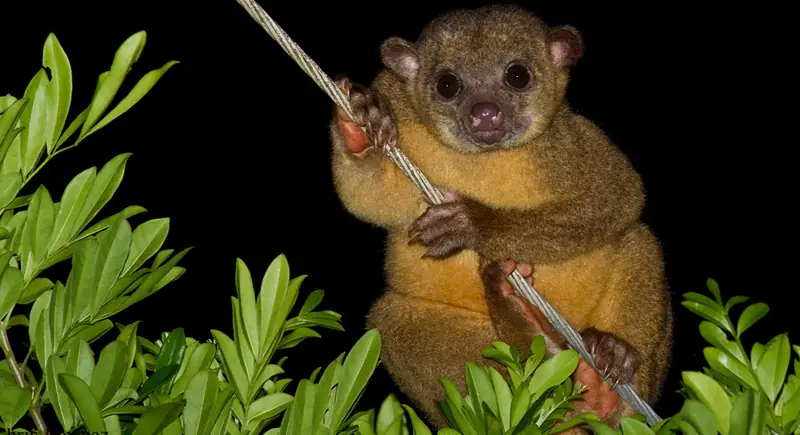
Nighttime is when they’re busiest. Kinkajous are highly active once the sun goes down and need a tall enclosure with space to climb and explore. They eat fruit and small amounts of protein and require enrichment to stay calm. Some can be affectionate with their owners, but they’re sensitive to change.
Wallaby
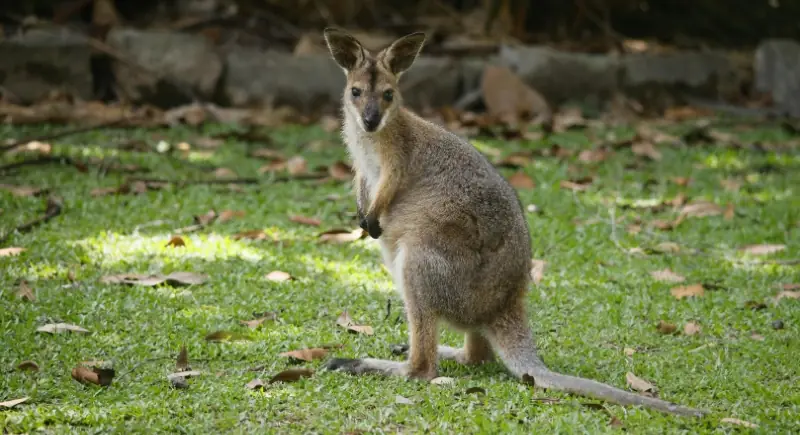
Wallabies look like a scaled-down kangaroo, but they still need serious room to move. A fenced outdoor area is usually a must since they hop, graze, and stay active throughout the day. They can grow used to familiar people, though they are not especially affectionate and tend to stay cautious around sudden movement or noise.
Serval
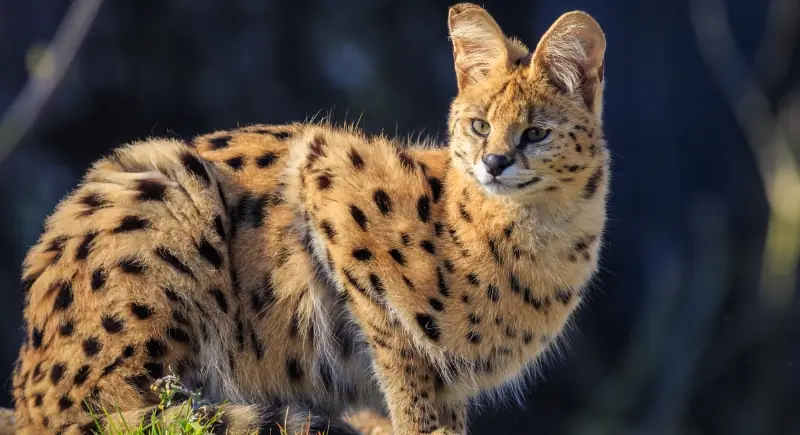
The Serval is striking up close, with long legs, huge ears, and a constant alertness that never really switches off. It stays playful and curious but does not behave like a typical house cat. Servals need space, mental stimulation, and a carefully managed diet, or they quickly become restless and difficult to handle.





