
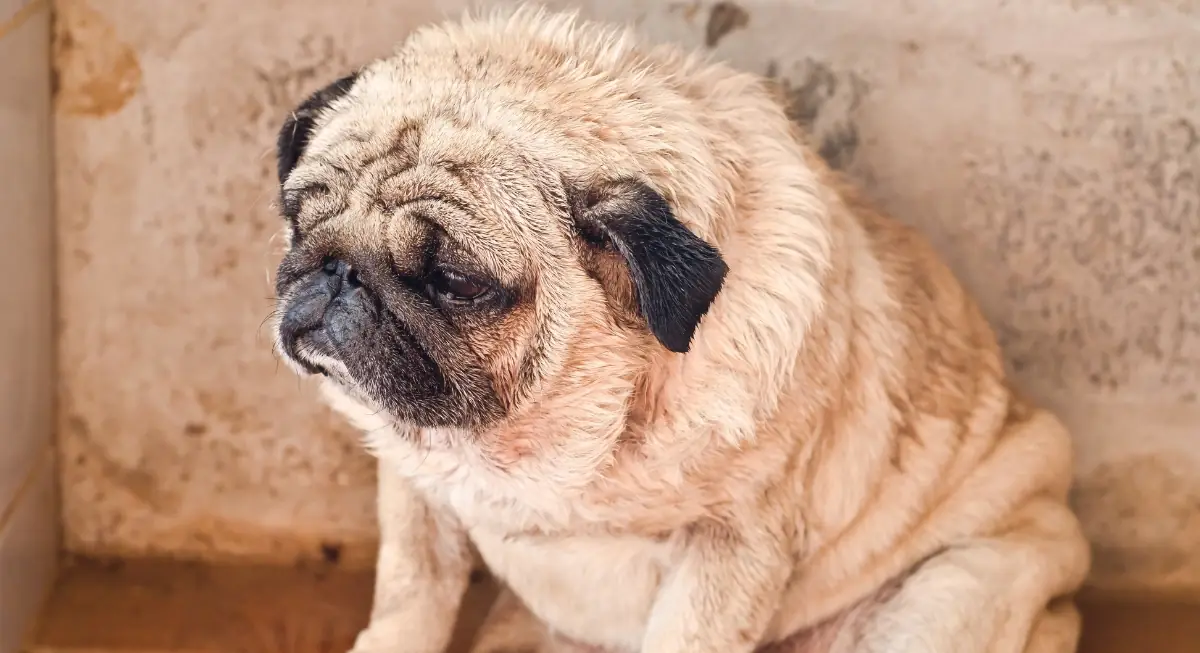
Out in the wild, there’s a whole cast of creatures that seem to carry the weight of the world on their furry, feathered, or leathery shoulders. If brooding were an Olympic sport, some animals would already have gold medals. In this article, we’ll discuss just how stirring these creatures can be.
Sheep
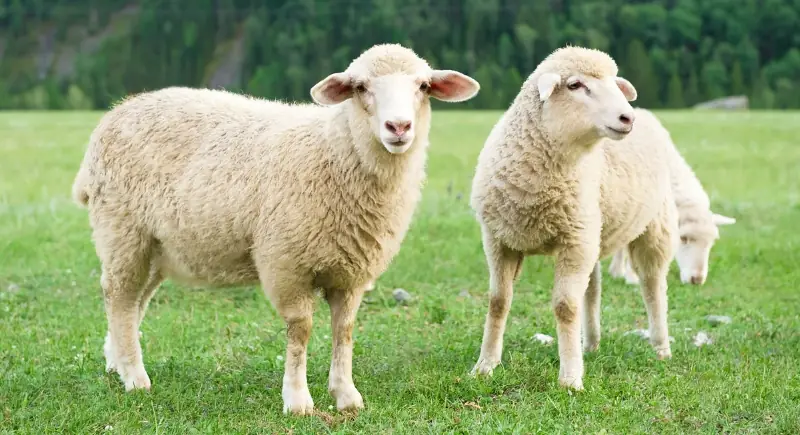
Sheep might look like fluffy lawnmowers, but emotionally, they’re anything but basic. These herd-loving creatures form tight friendships and get visibly upset when separated from their buddies. Scientists have found that sheep can recognize faces and remember them for years. When one of their companions goes missing, it’s chaos: pacing, bleating, the whole nine yards.
Rats
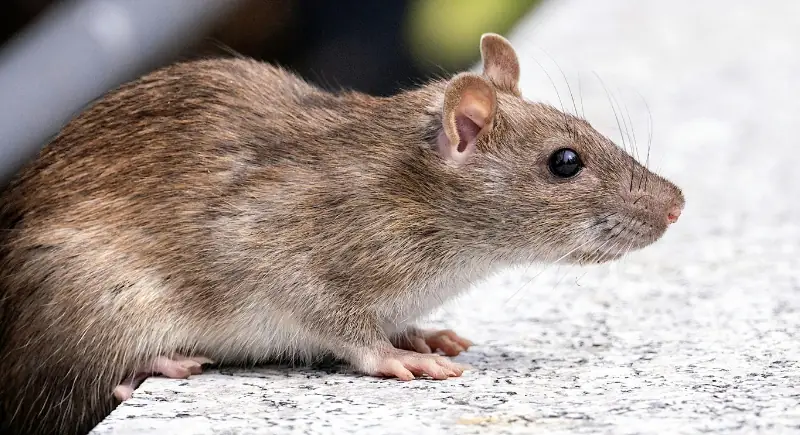
Rats get a bad rap, but they’re actually tiny, whiskered empaths. In a study by UChicago, a rat was offered chocolate or the chance to rescue his trapped friend. It kept choosing the rescue mission. Even wilder, they’re choosy about who they help—familiar faces get the sympathy. So yes, rats care and probably miss their pals when they’re gone.
Seals
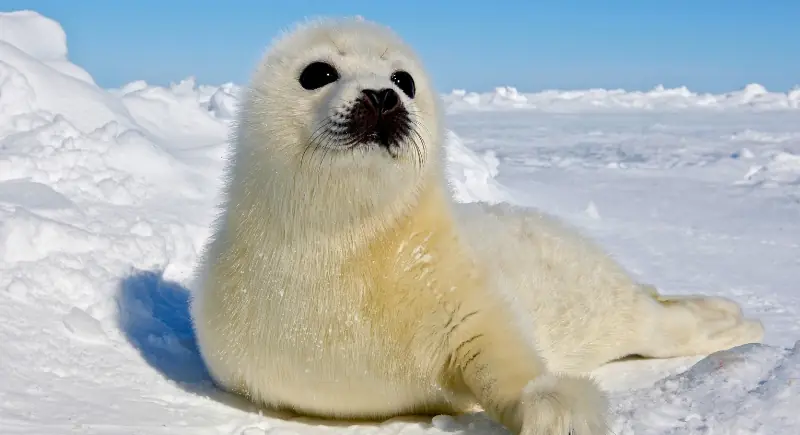
You’d think life in the ocean is all flips, fish, and floating naps—but for some seals, it’s heartbreak on the tide. Out near Langley, Washington, Marla the harbor seal curled herself around her stillborn pup and wouldn’t budge—not for curious onlookers, not even for wildlife crews trying to help.
Elephants
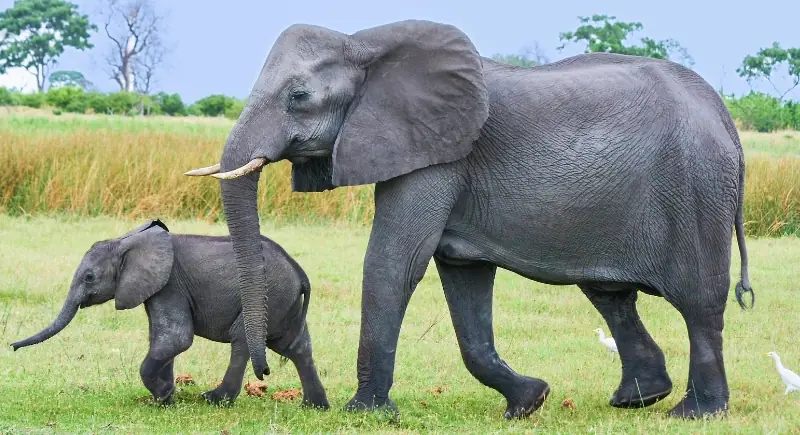
Grief doesn’t need words—it speaks in stillness, in gestures, in the weight of presence. When Jenny the elephant collapsed unexpectedly, her companion Magda didn’t leave. Elephants around the world show the same haunting rituals—lingering near remains, tracing bones with their trunks, even covering bodies with branches.
Dolphins
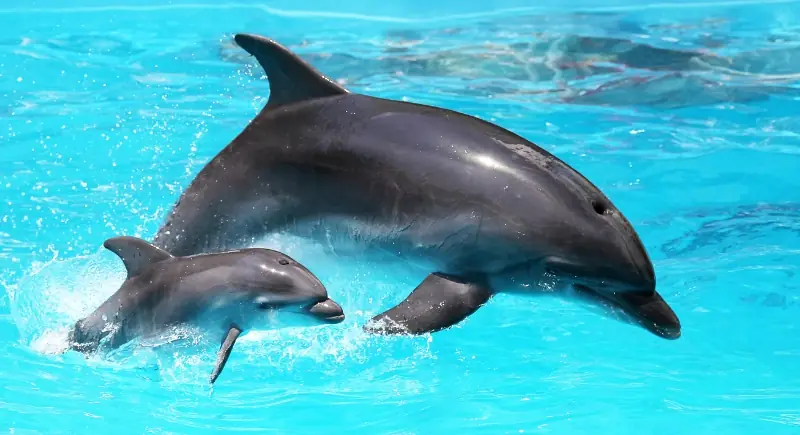
It’s easy to picture dolphins as eternal optimists—leaping through waves, clicking and chirping like they’re always in on a joke. But beneath that playful surface, there’s room for heartbreak, too. Off the coast of New Zealand, a mother dolphin carried her lifeless calf on her back for days and her vocalizations echoed hrough the water.
Gorillas
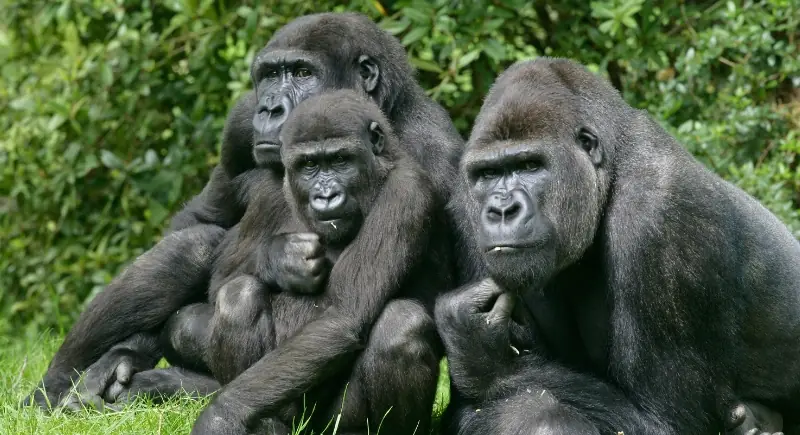
Forests carry stories, even the ones whispered in silence. When Titus, the legendary silverback of Rwanda’s Volcanoes National Park, died, a young gorilla who’d looked up to him curled up in Titus’s nest for two nights, refusing to leave his side.
Chimpanzees
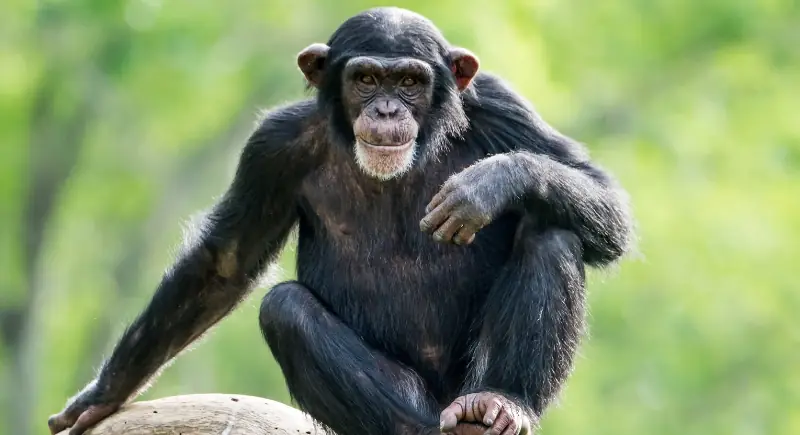
There’s something oddly human about the way chimps handle goodbye. At a chimpanzee sanctuary in Scotland, one of the elders, Pansy, was nearing the end. The others stayed close like they knew she was slipping away. After she passed, the vibe shifted. Like us, Chimps carry loss in their hearts and show it in the heavy spaces they leave behind.
Dogs
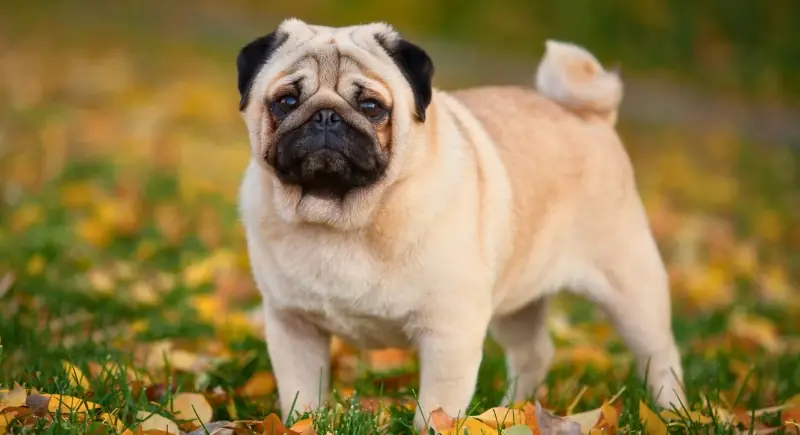
Some heartbreaks sit quietly by the water and wait. That’s what happened in Russia’s Bashkiria region, where a dog named Belka refused to leave the riverbank after her owner lost his life to the water. For four days, she stayed in the same spot as emergency crews searched nearby. She was mourning and clung to the hope that her best buddy would return.
Cats
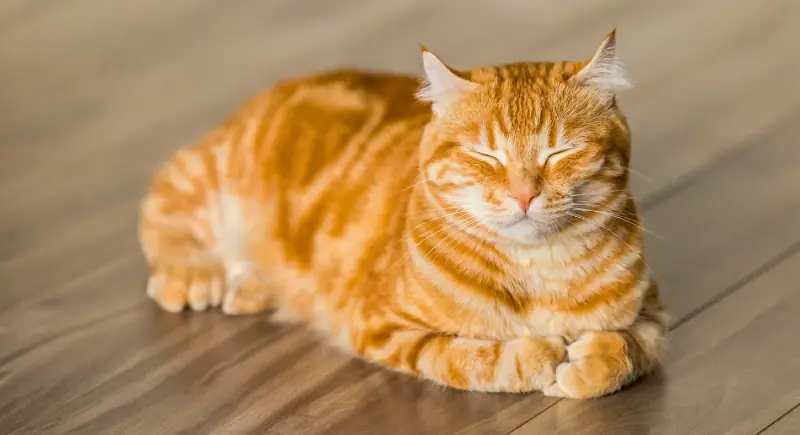
They might strut like they own the place, but cats feel change more deeply than they let on. When a companion disappears, or the routine gets shaken up, even the most confident feline can slip into sadness. You’ll notice the signs—meals go untouched, naps stretch longer, and their once-loved toys collect dust.
Wolves
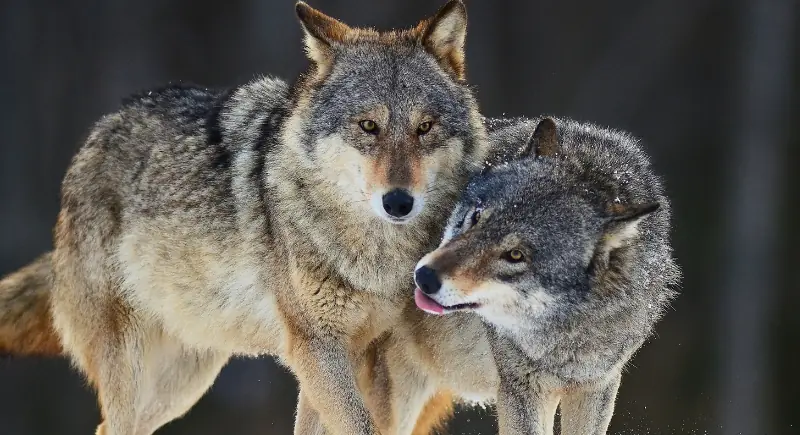
It’s not all teeth and territory in the world of wolves—sometimes, it’s heartbreak that echoes through the trees. After the death of Motaki, the omega of Idaho’s Sawtooth pack, the energy shifted. The others howled less; when they did, it was low and lonely. Some even returned to her last spot as if they weren’t ready to say goodbye.
Whales
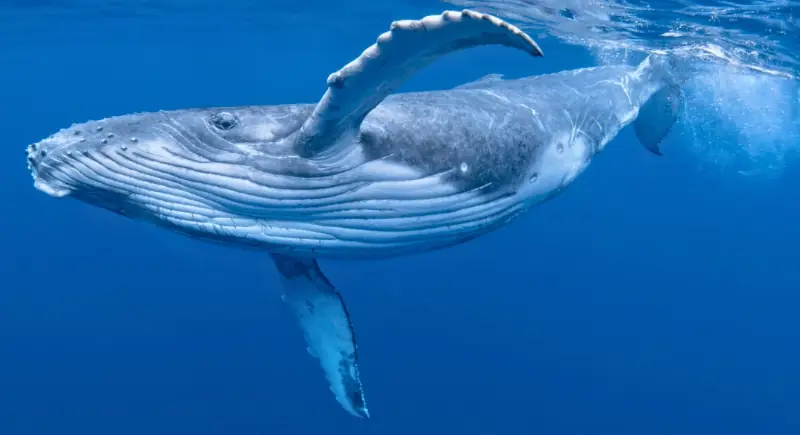
In 2018, off the coast of Cacouna in the St. Lawrence Estuary, a beluga was seen cradling a calf’s lifeless body in the water. Believed to be female, she stayed close, gently lifting the calf to the surface, then drawing it back beneath the waves. Over and over.
Cows
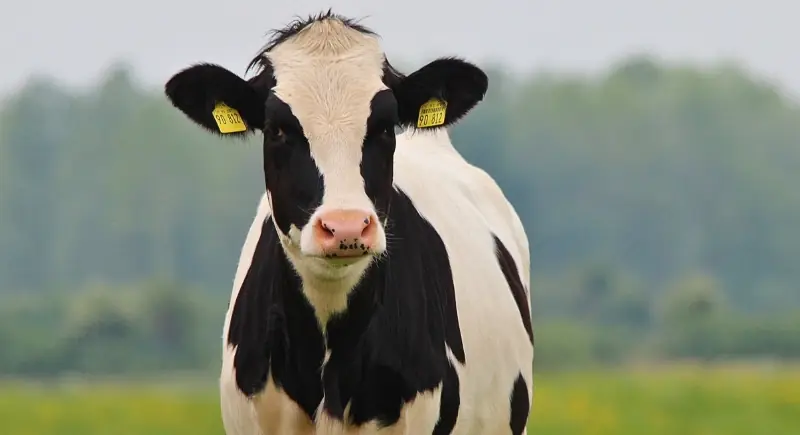
When a calf is taken, the silence doesn’t last long. The mother begins calling out, loud and nonstop, pacing the field like she’s retracing her steps. Behind the scenes, stress hormones spike, revealing just how hard the separation hits. These behaviors paint a clear picture: cattle feel loss, and their bonds deserve more respect than they’re often given.
Crows
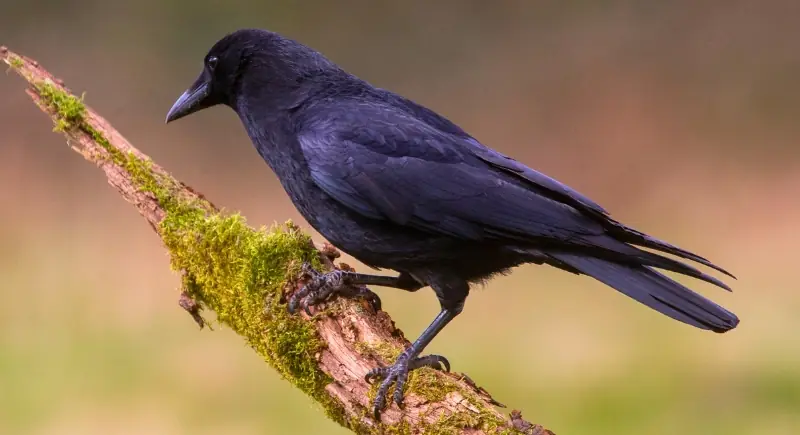
Demise doesn’t sneak past a crow—it sets off a scene worthy of a movie thriller. The moment one falls, the sky fills with sharp caws as a black-feathered crowd swoops in. One might jab the body, another might watch closely from a branch. For crows, every loss is a lesson.
Giraffes
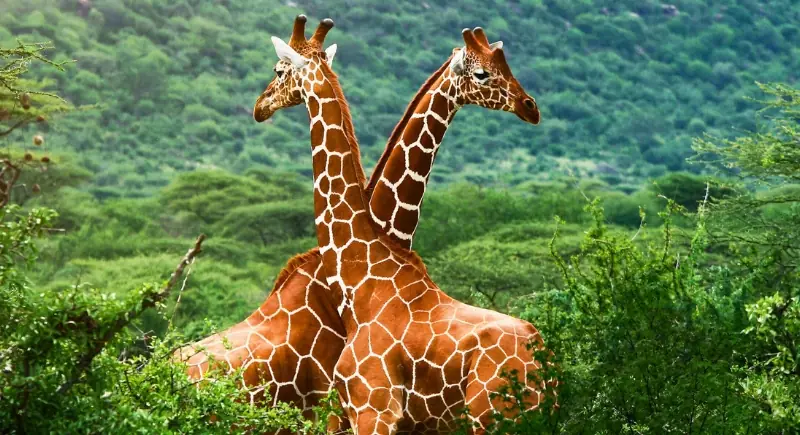
They always look like they’re daydreaming with their heads in the clouds, but giraffes have their feet planted firmly in emotion. In Zambia, a mother was seen standing over her calf’s body for two hours—no grazing, no wandering—just soft nudges and quiet licks, like she wasn’t ready to let go.
Horses
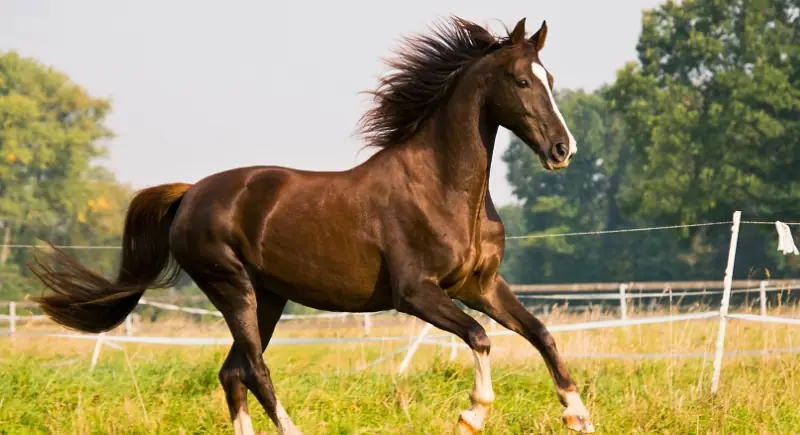
Letting horses say goodbye, keeping daily routines steady, and offering extra attention can go a long way, because loss can hit like a bolt out of the blue. After losing a stablemate, some horses stop eating, pace their stalls, or call out into the quiet, waiting for a whinny that never comes back.
Penguins
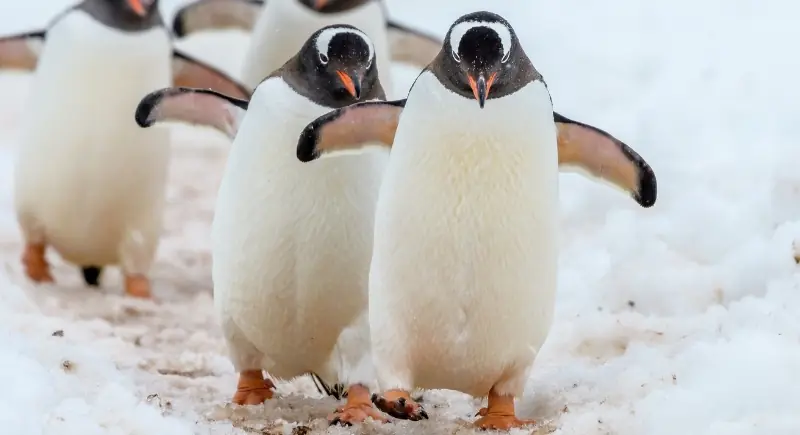
Penguins look comical, but many live emotionally intense lives. Pair bonds run deep, and when a mate or chick dies, some penguins stop eating, stand motionless, or withdraw from the colony. Researchers have documented prolonged mourning behaviors that can weaken survivors during already brutal Antarctic conditions.
Magpies
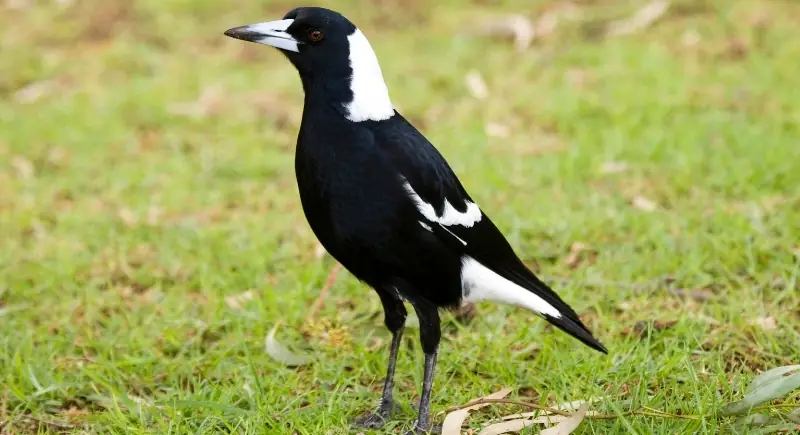
Magpies are startlingly intelligent and emotionally aware birds. They recognize individuals, form long memories, and react strongly to loss. Studies and field observations reveal withdrawn behavior, reduced activity, and distress calls following the disappearance of a mate or a close flock member from their territory for weeks at a time.





