
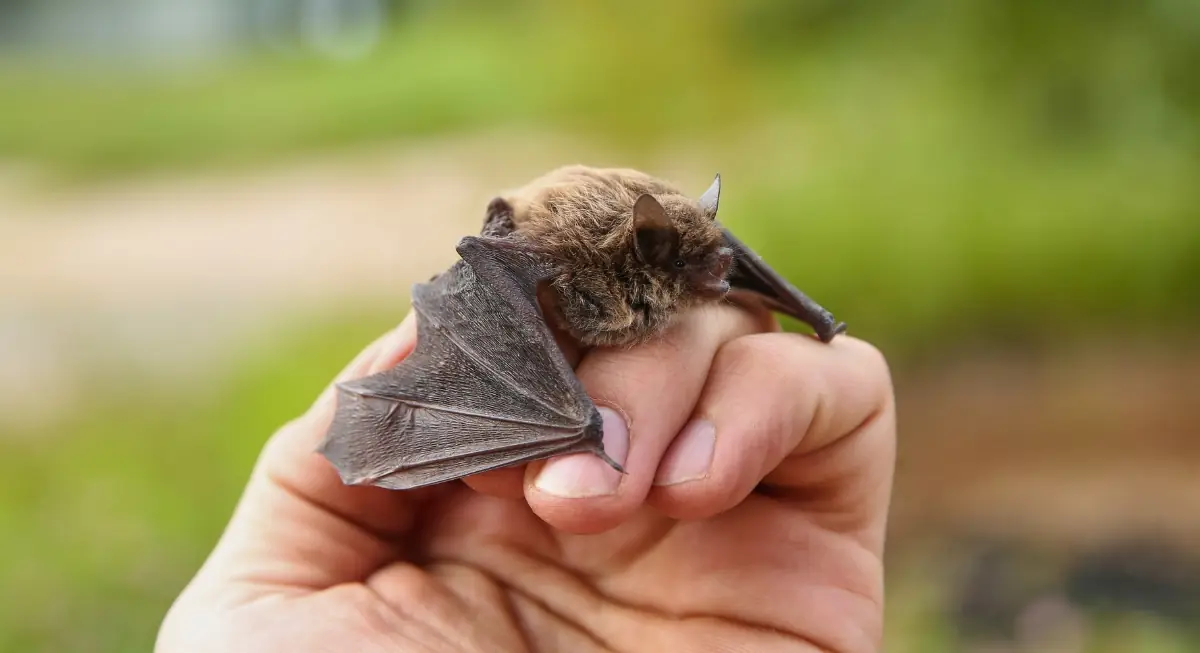
Tiny mammals don’t get much attention next to elephants or whales, but their size gives them a surprising edge. These animals can squeeze into impossible places, survive on scraps, and avoid detection altogether. Their biology is efficient and their appearances often, frankly, adorable. Here’s a tour of mammals that do a lot while weighing almost nothing.
Etruscan Shrew
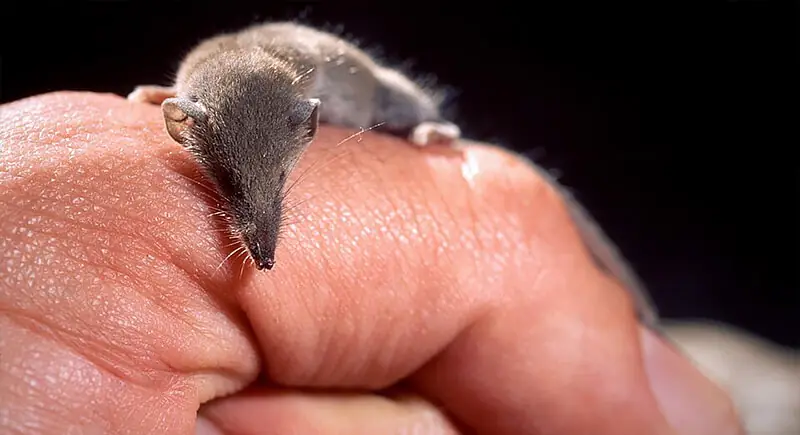
This shrew, weighing around two grams, is the smallest mammal by mass. Its heart beats up to 1,500 times per minute to support its ultra-fast metabolism. It eats nearly double its weight each day. The Etruscan shrew doesn’t waste time; it’s either hunting, eating, or recharging for another round of frantic activity.
Baluchistan Pygmy Jerboa
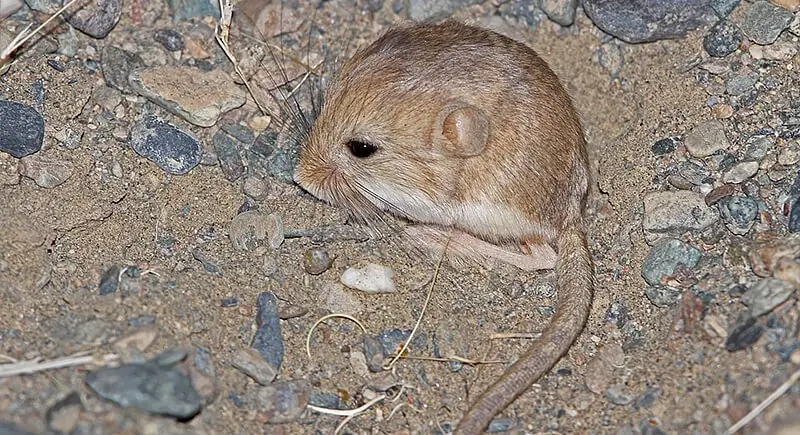
Found in Pakistan’s deserts, this rodent resembles a mashup between a mouse and a kangaroo. The jerboa’s long legs help it spring across sand at impressive distances. At just 3.75 grams, it holds a record for the world’s smallest rodent. Its oversized tail, used for balance, is often twice the length of its body.
Kitti’s Hog-Nosed Bat
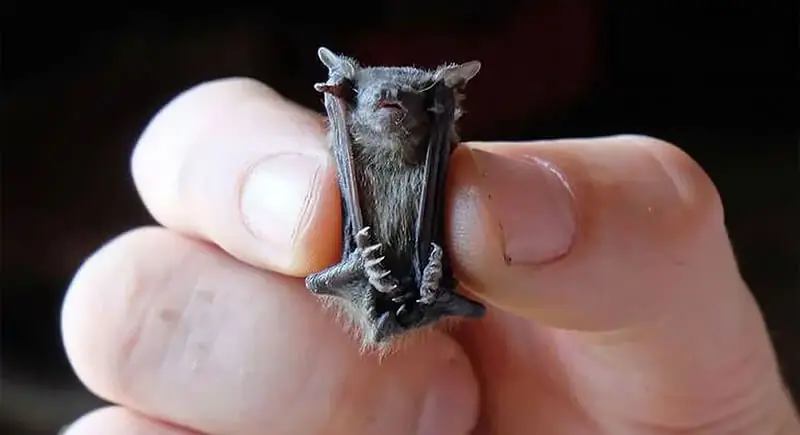
Also known as the bumblebee bat, adults top out at 2 grams and 1.3 inches long. It roosts in limestone caves in Thailand and Myanmar and flies out at dusk to hunt insects. The bat’s pig-like nose inspired its name, and its size places it among the tiniest mammals ever recorded.
Long-Tailed Planigale
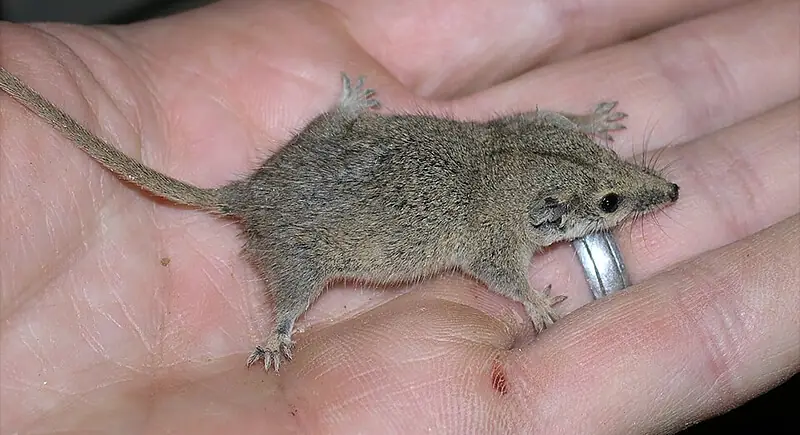
This Australian native looks more like a brown smudge than a mammal. Its head is so flat it can slide into cracks as narrow as 0.1 inches. Measuring about 2.4 inches with its tail, it weighs a mere 4.3 grams. It’s also a fierce predator, tackling insects and sometimes prey nearly its own size.
African Pygmy Mouse
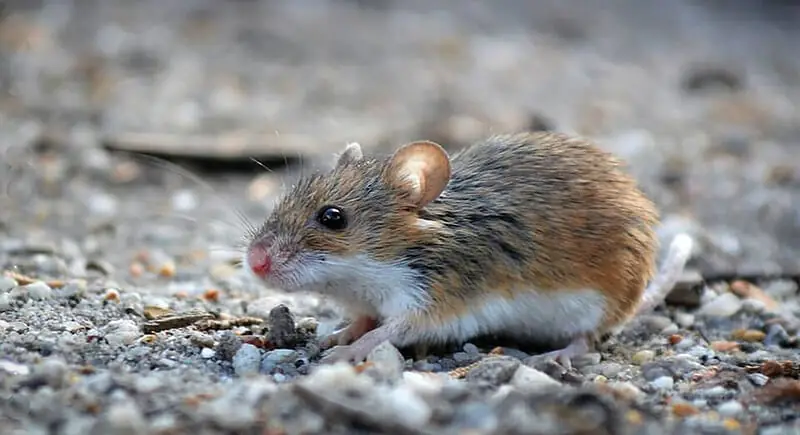
This sub-Saharan species grows to just over an inch long, and it is the smallest mouse in the world. Instead of drinking from puddles, it gathers dew by stacking pebbles outside its burrow and licking off the moisture. African pygmy mice are sometimes kept as pets, though their tiny bones make them incredibly fragile.
Madame Berthe’s Mouse Lemur
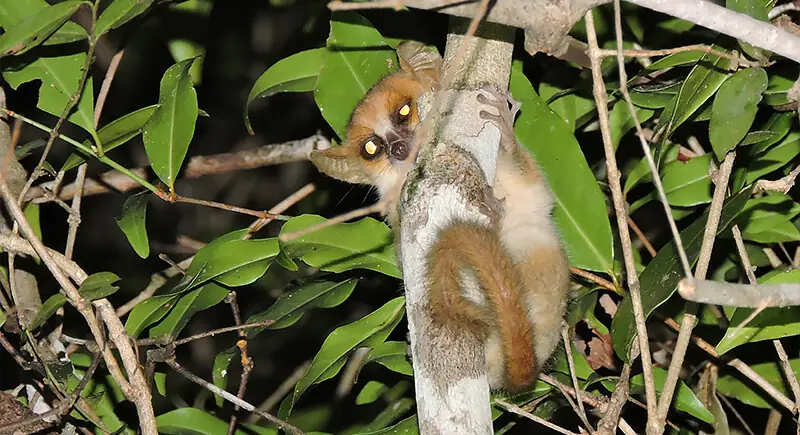
Madame Berthe’s Mouse Lemur weighs about an ounce and measures around 3.6 inches long. It spends its nights foraging alone for insects and fruit, and often shares sleeping spots with other mouse lemurs during the day. It holds the title of smallest primate on Earth, both by size and weight.
American Shrew Mole
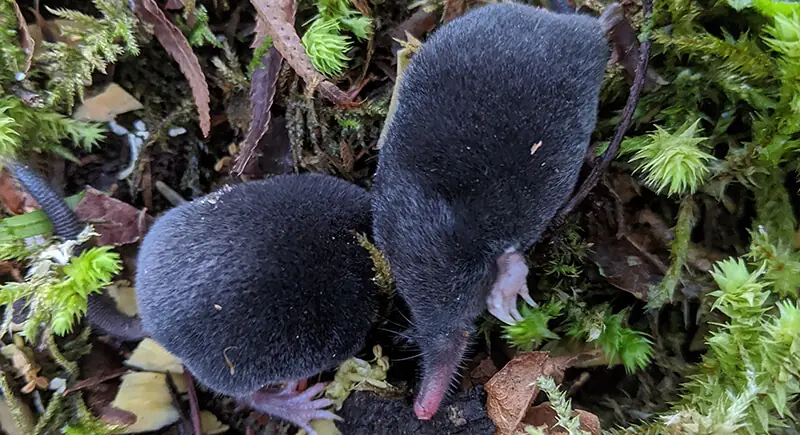
Instead of staying underground, it scurries around damp forests and even climbs bushes in the Pacific Northwest. Measuring about 4.7 inches long, it weighs roughly 10 grams. The American shrew mole has tiny, barely visible eyes and no external ears, yet navigates its environment with remarkable precision and a fine-tuned sense of smell.
Tasmanian Pygmy Possum
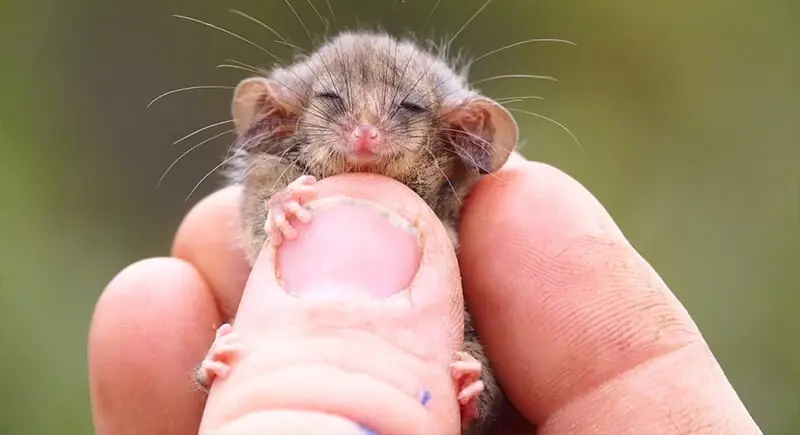
With a name that sounds made-up, this marsupial is very real and very small. It is native to Tasmania and weighs just 8 grams. It uses its prehensile tail to hang from branches. In winter, it enters a torpor state, curling into a ball and covering its eyes with its ears to conserve energy.
Pygmy Marmoset
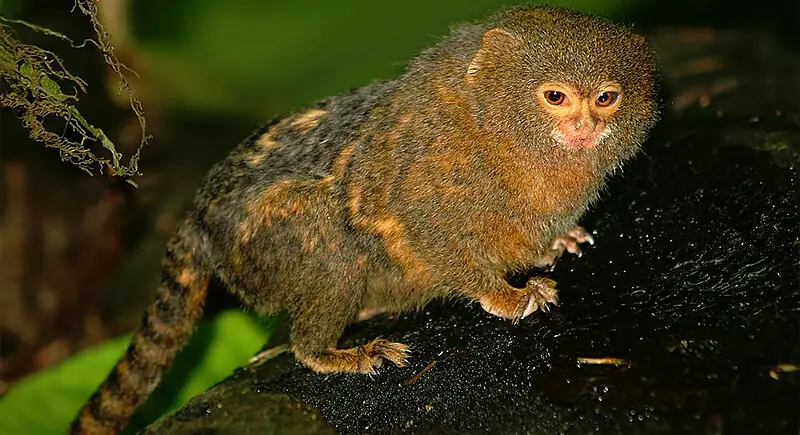
This South American monkey rarely grows longer than five inches. It feeds by gnawing into tree bark and licking up sap and resin, which make up most of its diet. Despite its size, the pygmy marmoset has a surprisingly loud call that helps it stay in touch with its group.
Philippine Tarsier
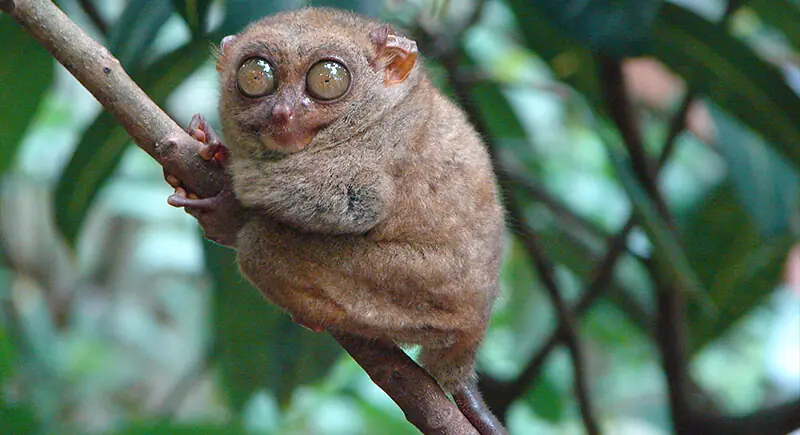
Big eyes, long fingers, and a head that rotates 360 degrees make the Philippine tarsier look like a cartoon. Yet it’s all a function. These nocturnal primates rely on excellent night vision and a strong grip to catch insects in forest trees. Adults weigh about 4 to 5 ounces and rarely grow taller than six inches.





