
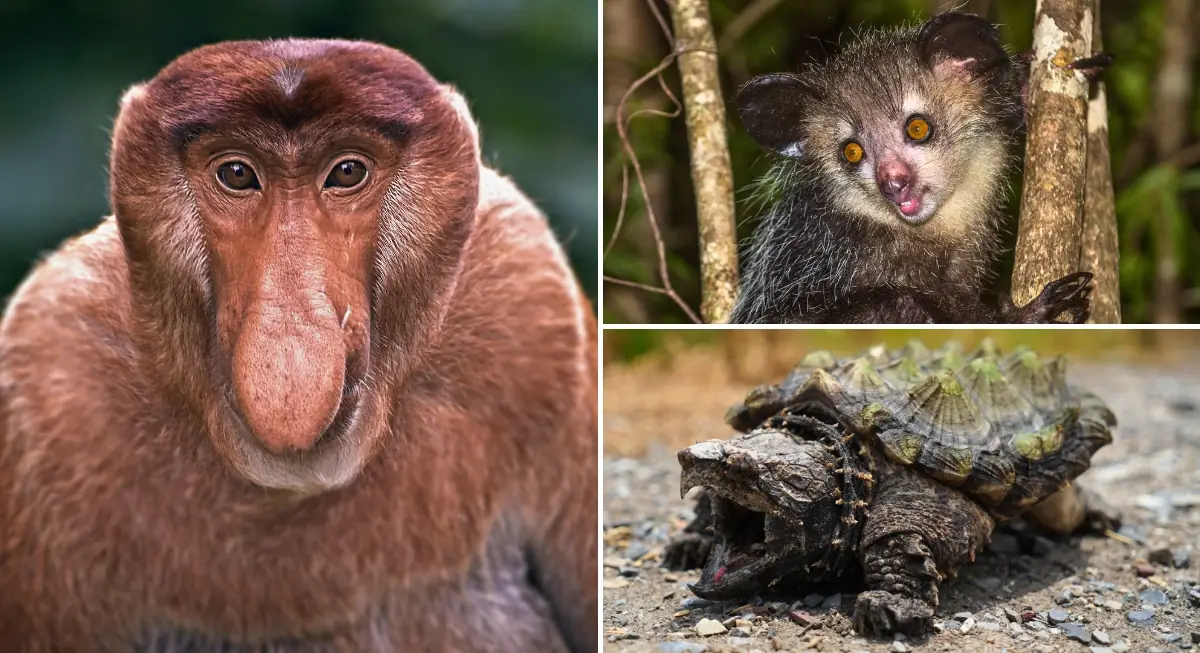
We usually decide how something looks within seconds, and animals are no different. Some species have features that feel strange or unfamiliar, which is why they often get labeled as ugly. This list looks at those animals more closely. Their appearance may seem odd at first, but each feature connects to how they survive, feed, or interact with their surroundings.
Aye-Aye
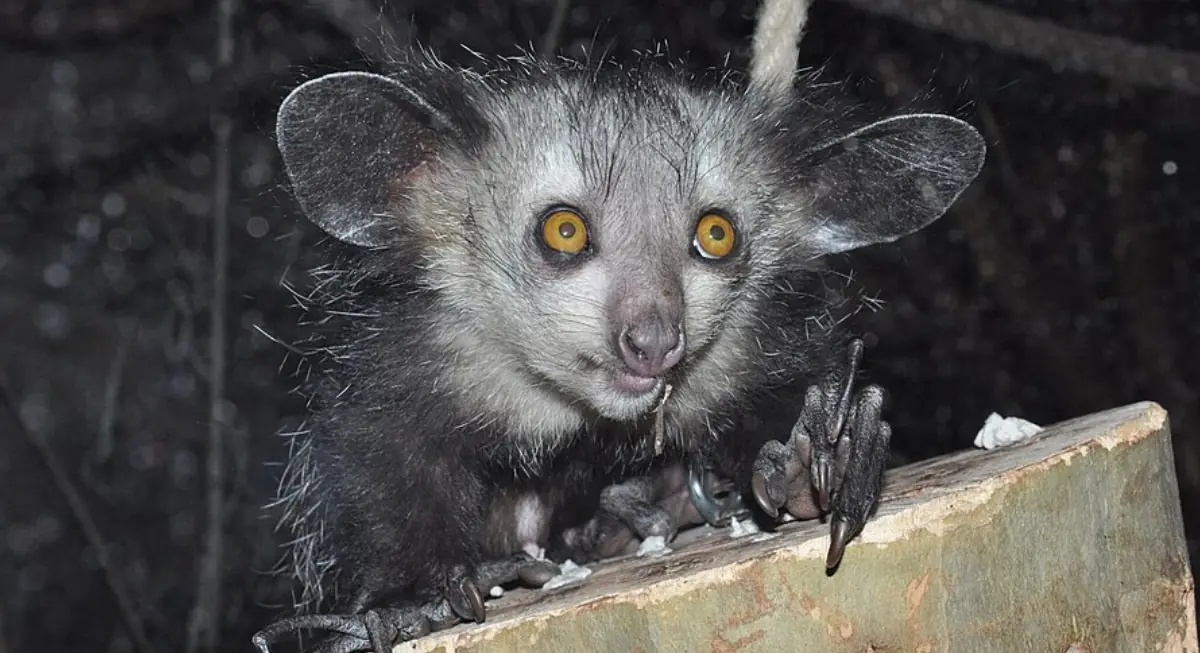
Long fingers, glowing eyes, and sharp teeth give this primate an unsettling look that often triggers fear. People in Madagascar have historically treated the aye-aye as a bad omen, leading to hunting and population decline. However, conservation laws have been put in place to protect it after earlier assumptions brought it to the brink of extinction.
Proboscis Monkey
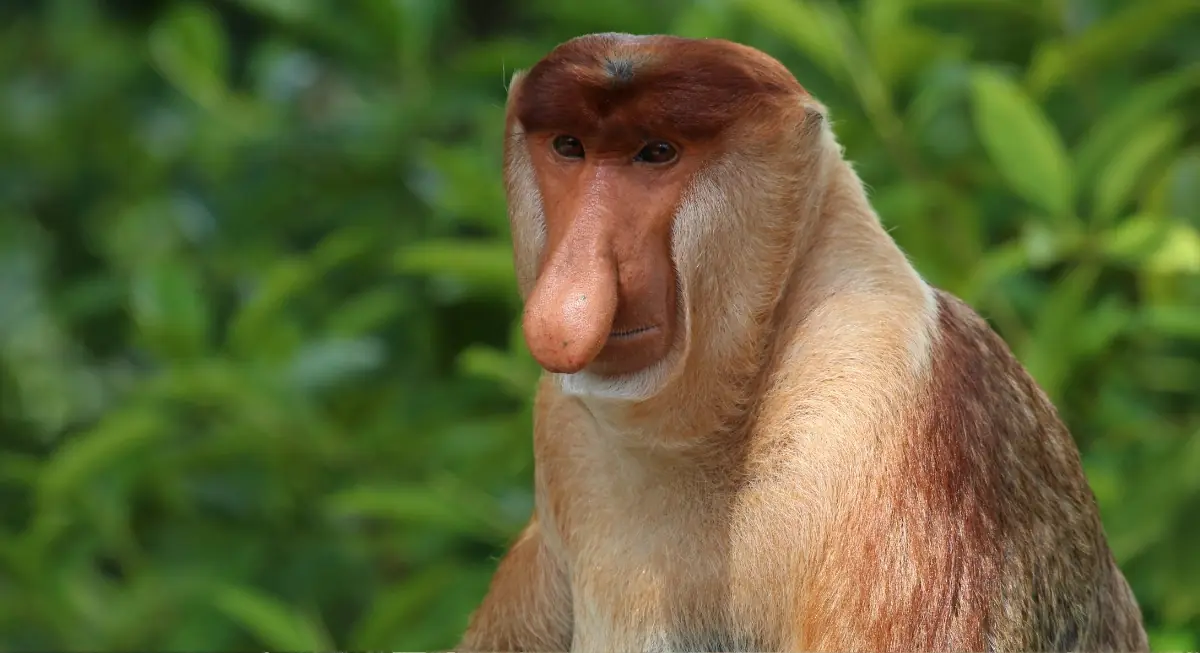
The oversized nose on a proboscis monkey tends to catch the eye before anything else, especially in males, where it can grow impressively long. The feature looks exaggerated, yet it signals strength and attracts mates. It also affects vocalizations, which enables males to produce resonant calls that carry through dense forest areas.
Naked Mole Rat
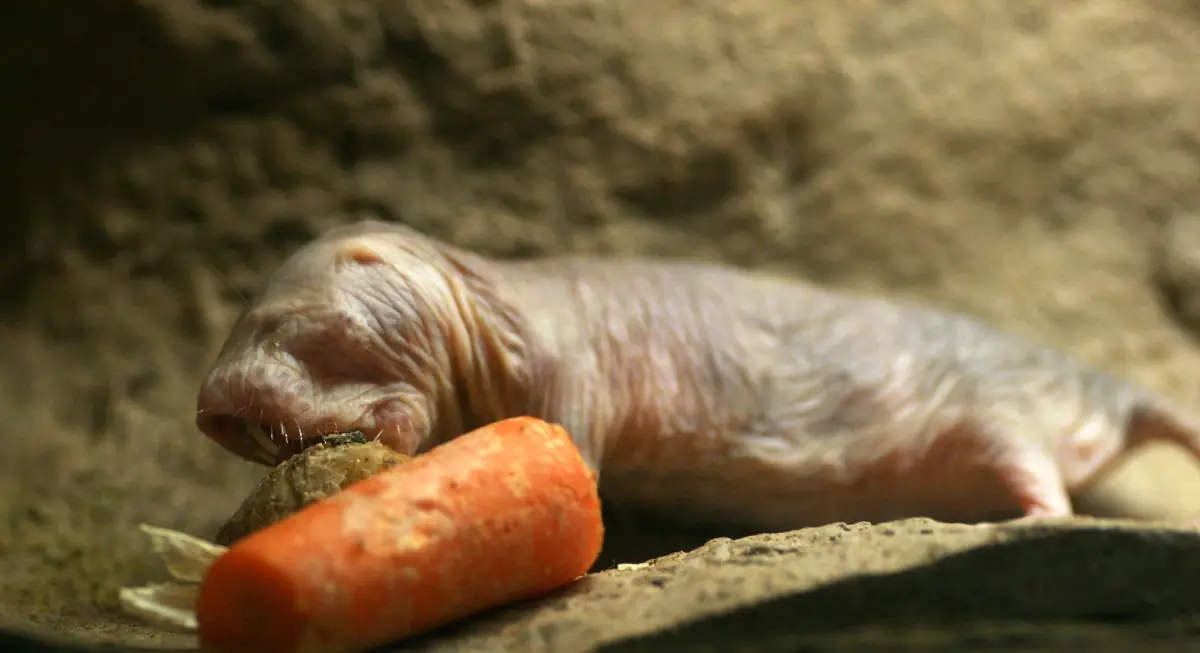
The naked mole rat spends its entire life in narrow underground tunnels, where smooth, nearly hairless skin helps it move easily without friction or overheating. Fur would get in the way in such tight spaces. Its wrinkled body and large front teeth give it an unusual look, but each feature supports how it digs, navigates, and survives below the surface.
Purple Frog
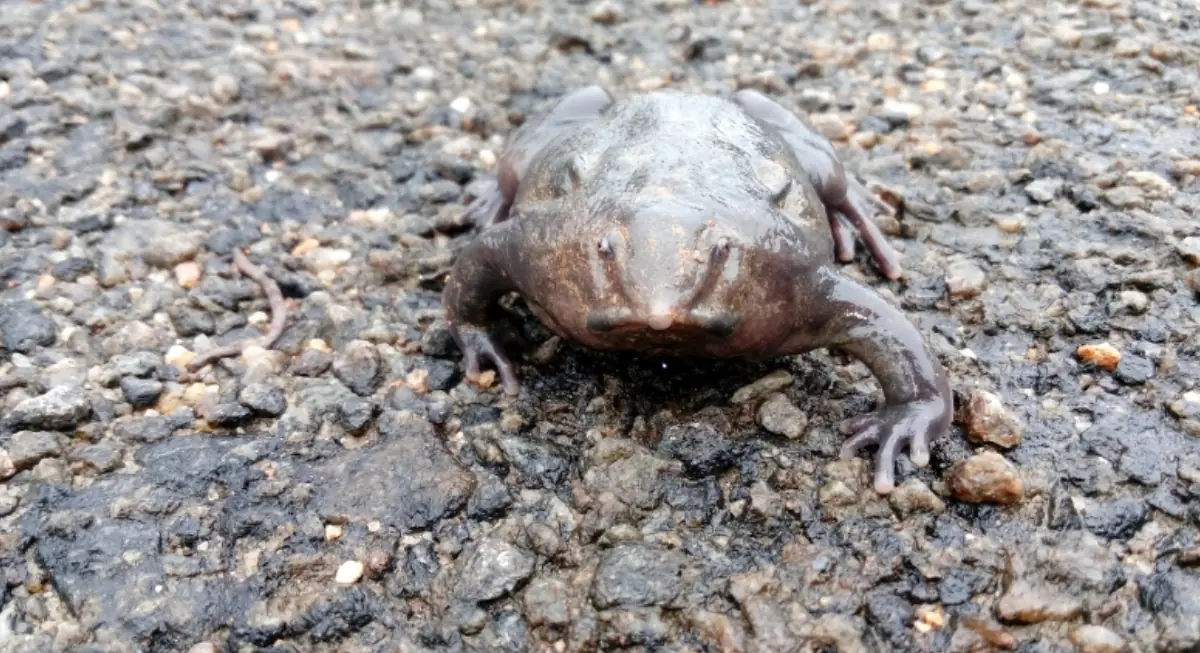
In India, some villagers have crushed purple frogs, labeling them as cursed, largely because of their unfamiliar appearance and sudden emergence during the breeding season. That response ignores how specialized this species really is. Its rounded body and strong limbs make it easier to dig into soil, where it spends most of its life feeding on termites.
Bald Uakari
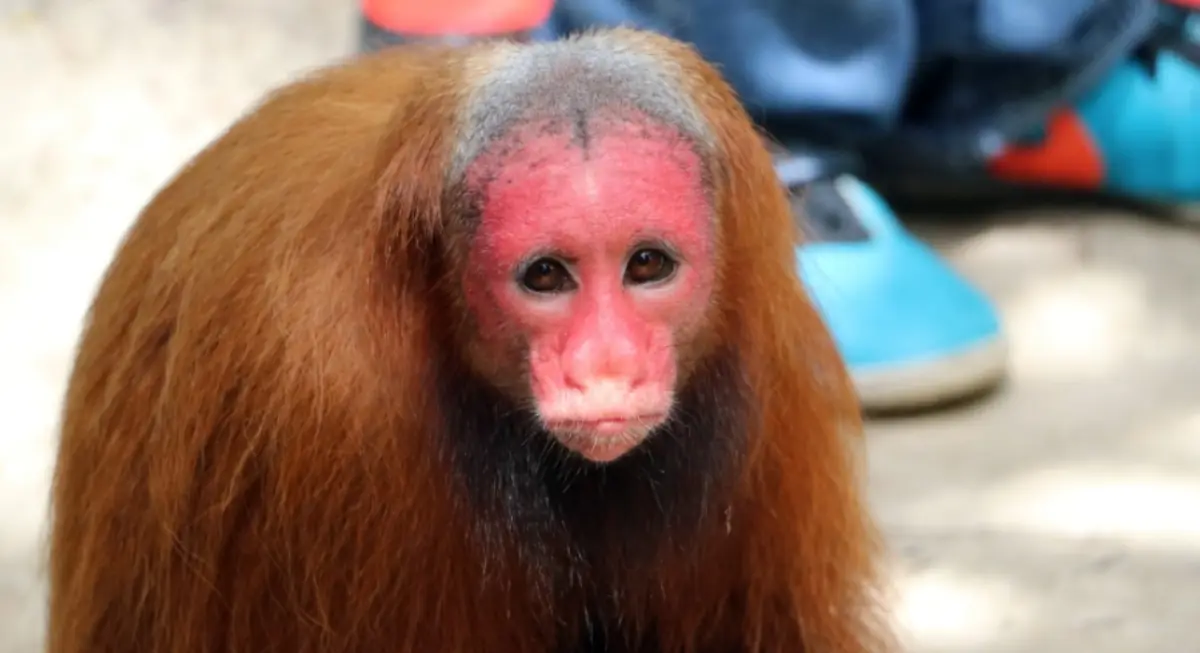
The bald uakari lives in the Amazon basin and is distinguished by its bright red face. That color plays a direct role in the group’s communication. A deep red tone signals strong health, while a pale face can point to illness, including diseases like malaria. This visible difference affects social behavior and influences mate choice.
Hammerhead Bat
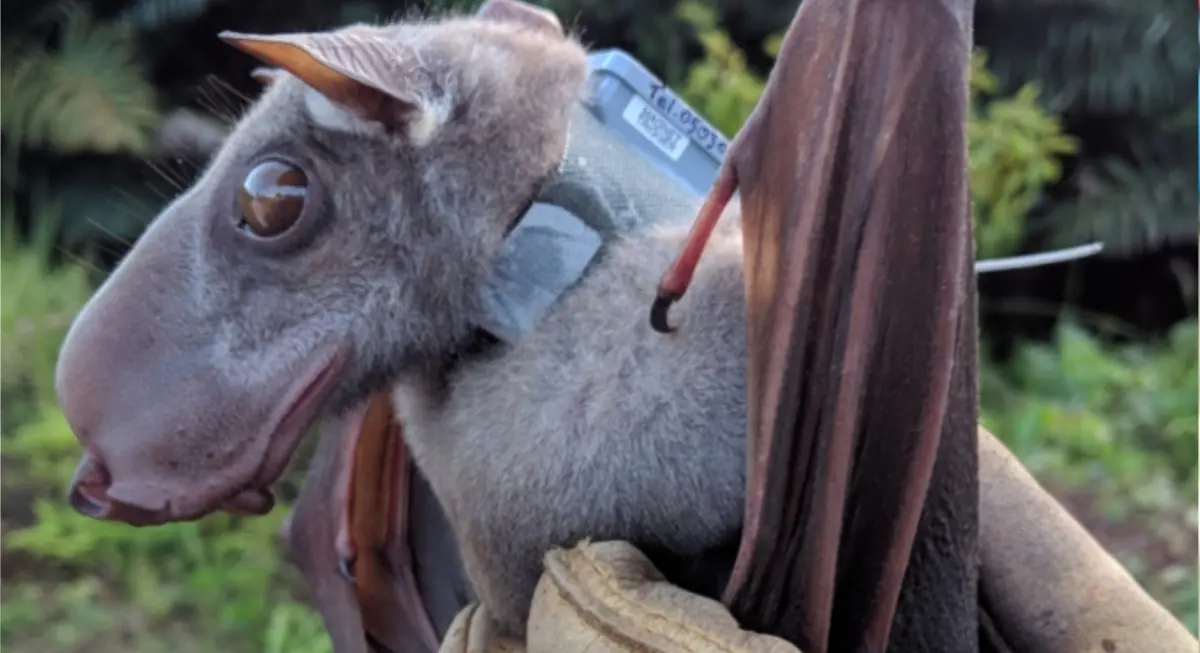
One of the primary reasons the hammerhead bat seems distinct is its oversized, box-shaped head, flared nostrils, and enlarged lips, which give its face a stretched, almost distorted design. These features are not random, as this species is the only bat known to use a lek system, where males gather and produce loud, honking calls for hours to attract females.
Star-Nosed Mole
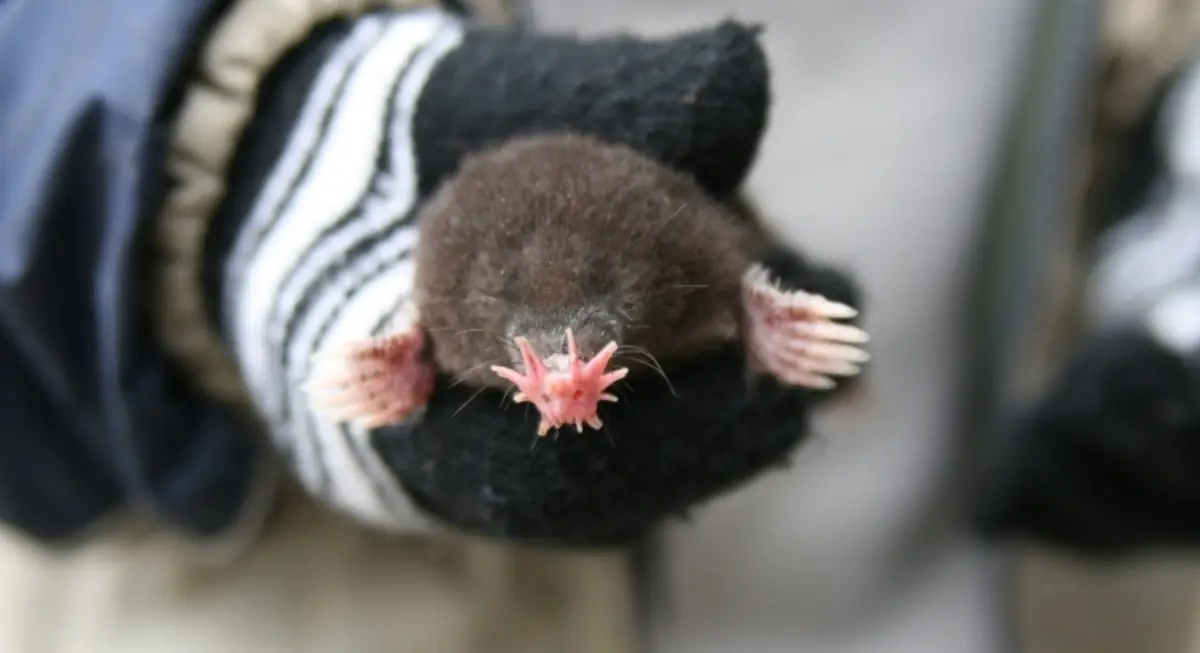
You might be surprised to know that the star-nosed mole has a nose that constantly moves to scan its surroundings with remarkable speed and precision. Though this creates one of the most unusual faces in the animal kingdom, that particular feature alone has thousands of sensory receptors that allow it to detect movement accurately and locate prey.
Warthog
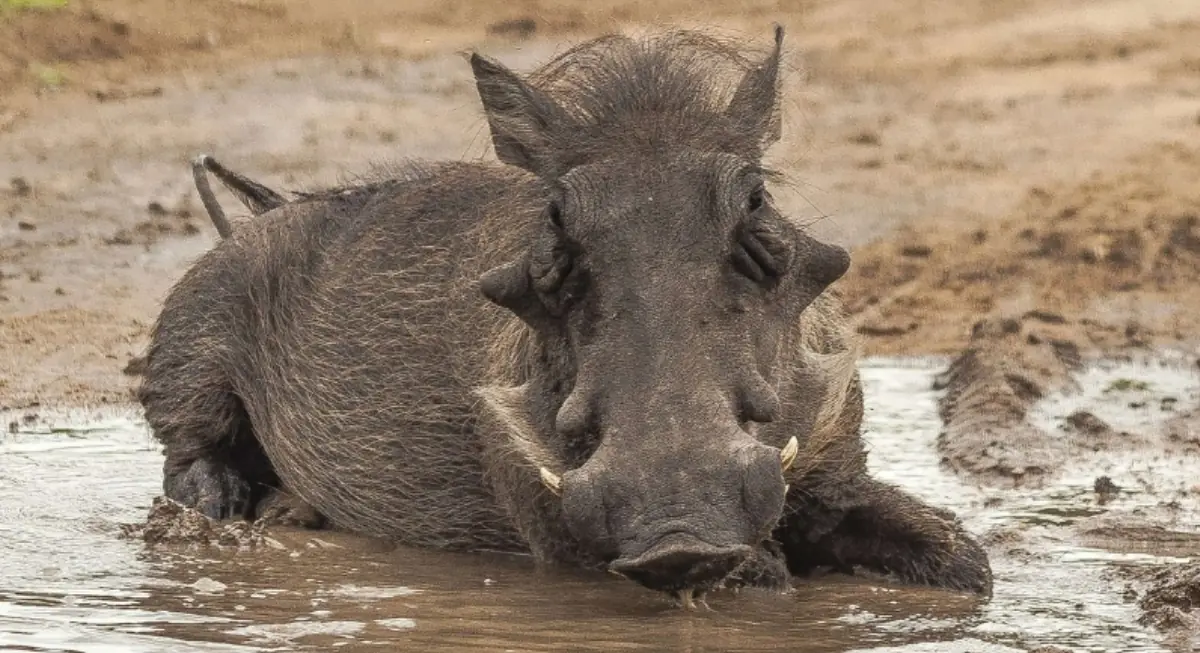
In parts of Africa, the warthog has been hunted not for food but because hunters consider its appearance grotesque. That reaction does not take into account how well its features serve its survival. Its facial growths and curved tusks provide protection and help during digging. It feeds on grass, roots, and insects across open plains.
Alligator Snapping Turtle
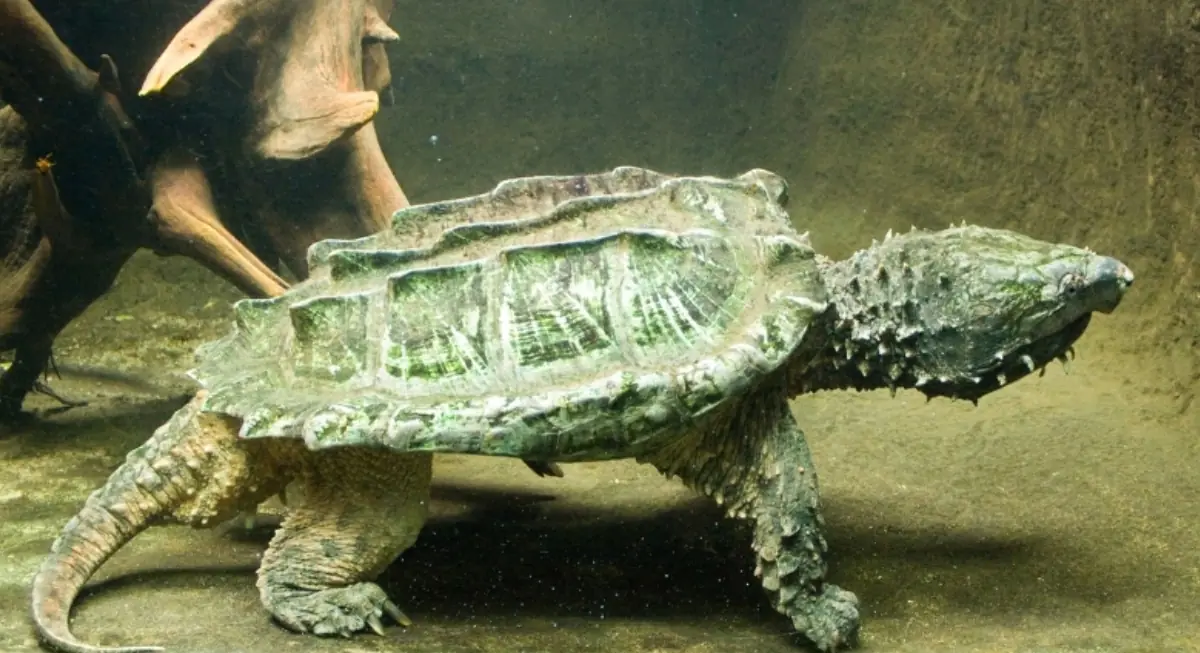
If you ever explore freshwater systems across the United States, you may come across a turtle with a rough, spiked shell and a sharply hooked beak, giving it a distinctly rugged, armored appearance. Its hunting method relies on patience rather than movement. A small lure on its tongue mimics a worm to attract fish within reach.
Blobfish
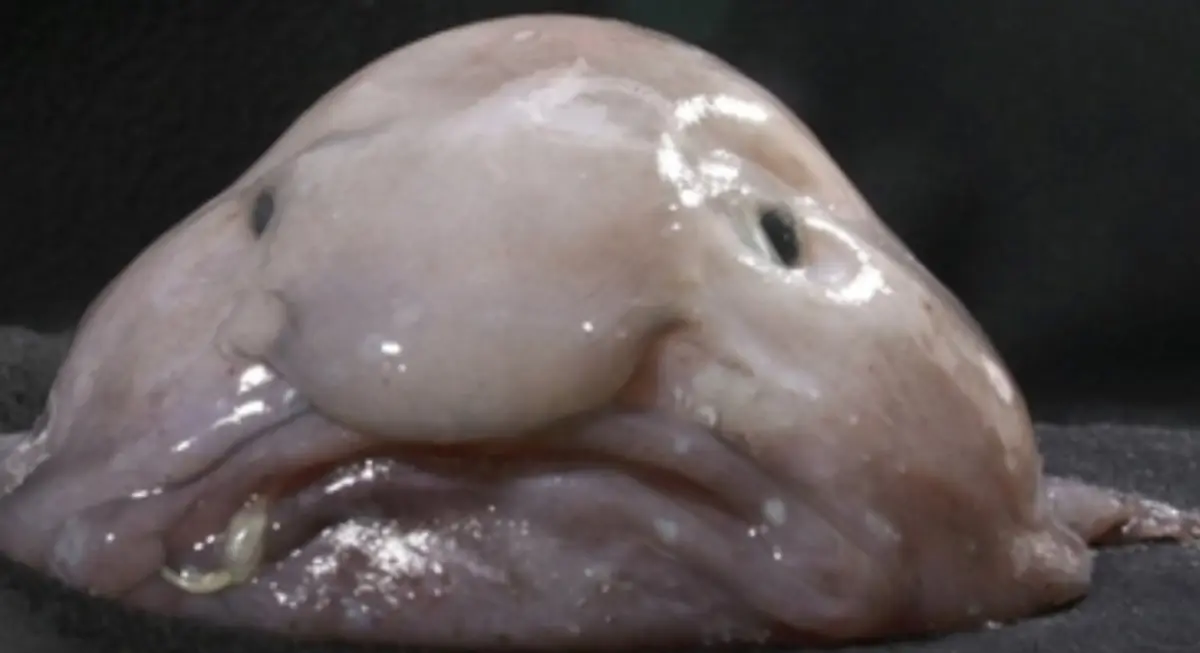
The blobfish looks very different depending on where it is. Deep in the ocean, high pressure keeps its soft, gelatinous body stable and closer to a typical fish shape. When it is brought to the surface, that pressure drops, and its body loses structure, creating the drooping look most people recognize. The so-called “ugly” appearance comes from this change, not its natural state.





