
Ten months without touching the ground sounds made up. Like one of those nature facts you assume got exaggerated somewhere along the way. But researchers have attached tiny tracking devices to birds, waited forever to get them back, and discovered that some species really do spend most of their lives in the air without properly landing.
Some birds sleep while gliding, and some snatch food mid-flight like it’s routine. Others cross distances that look ridiculous on a map and barely seem tired afterward. The strangest part is how efficient they are. A few species are built so perfectly for flight that landing too often almost works against them.
They ride wind currents the way sailors use tides, adjusting to weather and conserving energy while staying airborne for months at a time. Then there are the birds that fall somewhere in the middle, not fully sky-bound but still capable of endurance that feels impossible when you picture it from a human perspective.
Common Swift
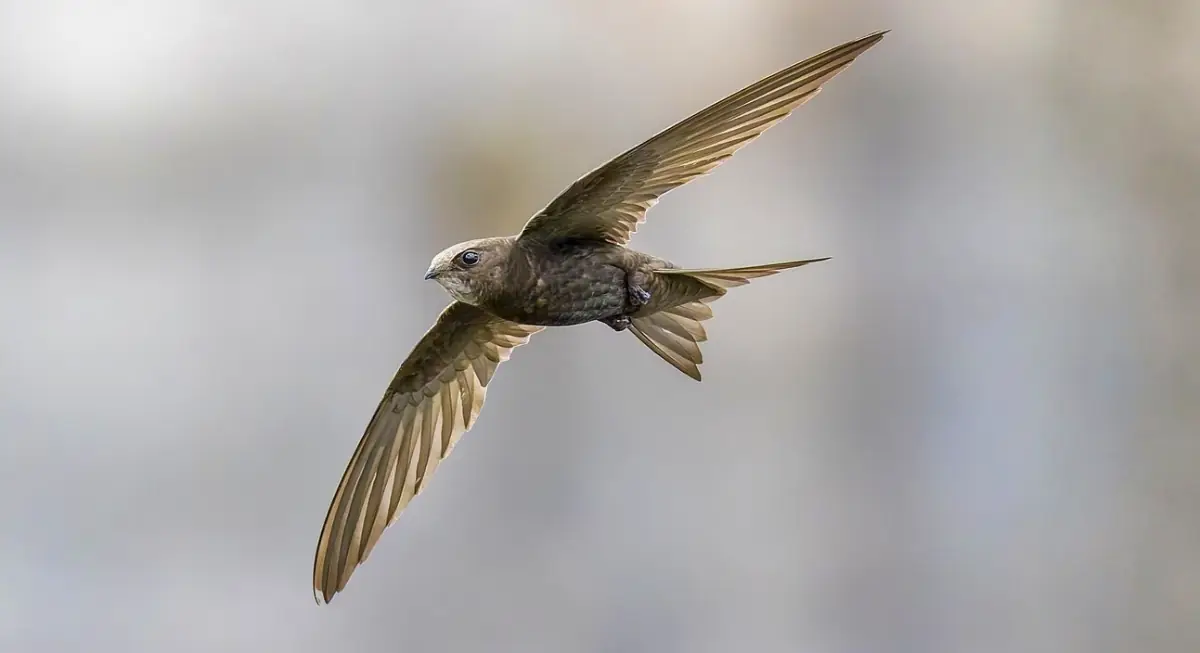
The common swift holds the wildest record here. These birds can stay airborne for almost their entire 10-month nonbreeding period. One bird landed for just four nights in February one year. The next year, it stopped for only two hours. Even the birds that did take breaks still spent about 99.5 percent of their time in the air.
Swifts handle nearly everything mid-flight. They feed on flying insects, collect nesting material, and even mate while airborne. Their body design explains part of the story. Long wings and short legs make it tough to take off from flat ground, so staying in the air actually works in their favor.
Wandering Albatross
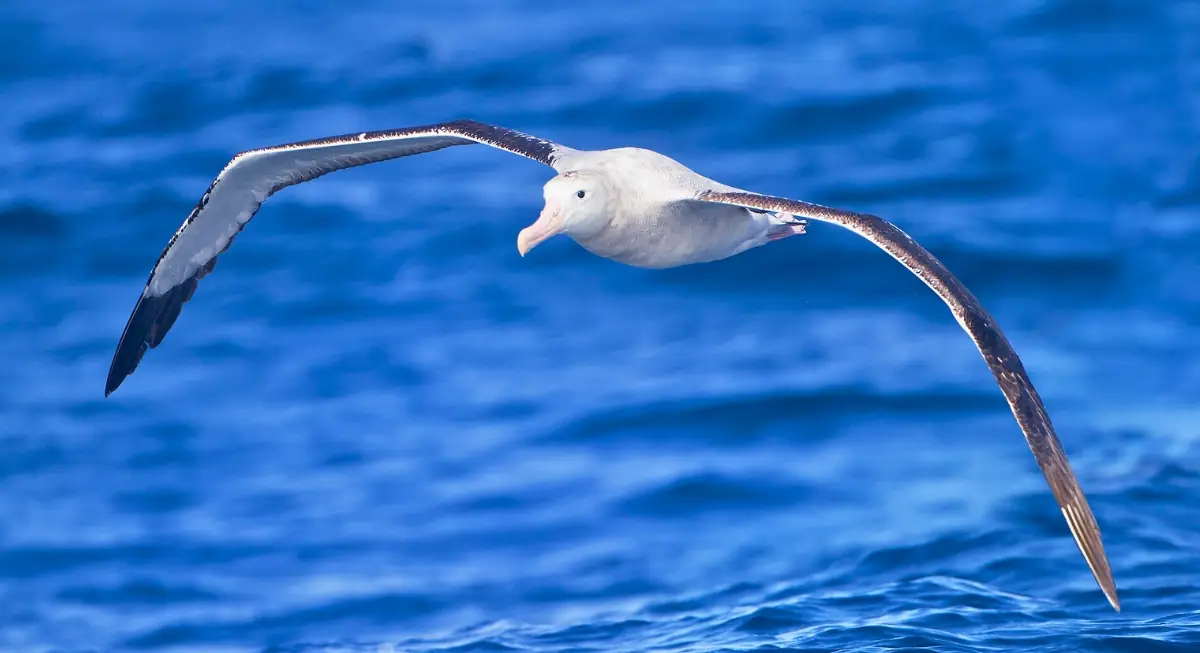
The Wandering Albatross covers distances that barely seem real. In a single week, it can travel thousands of miles across the open ocean while hardly flapping its wings. Instead of powering through the air nonstop, it relies on something called dynamic soaring, using shifts in wind speed above the waves to stay moving with surprisingly little effort.
That trick matters because these birds are enormous. With wingspans stretching close to 11 or 12 feet, they’re built for long-haul flight. Young albatrosses can spend years at sea without touching land, sometimes not returning for their first six years. And despite looking effortless in the air, they can still glide at speeds around 50 miles per hour across huge stretches of ocean.
Great Frigatebird
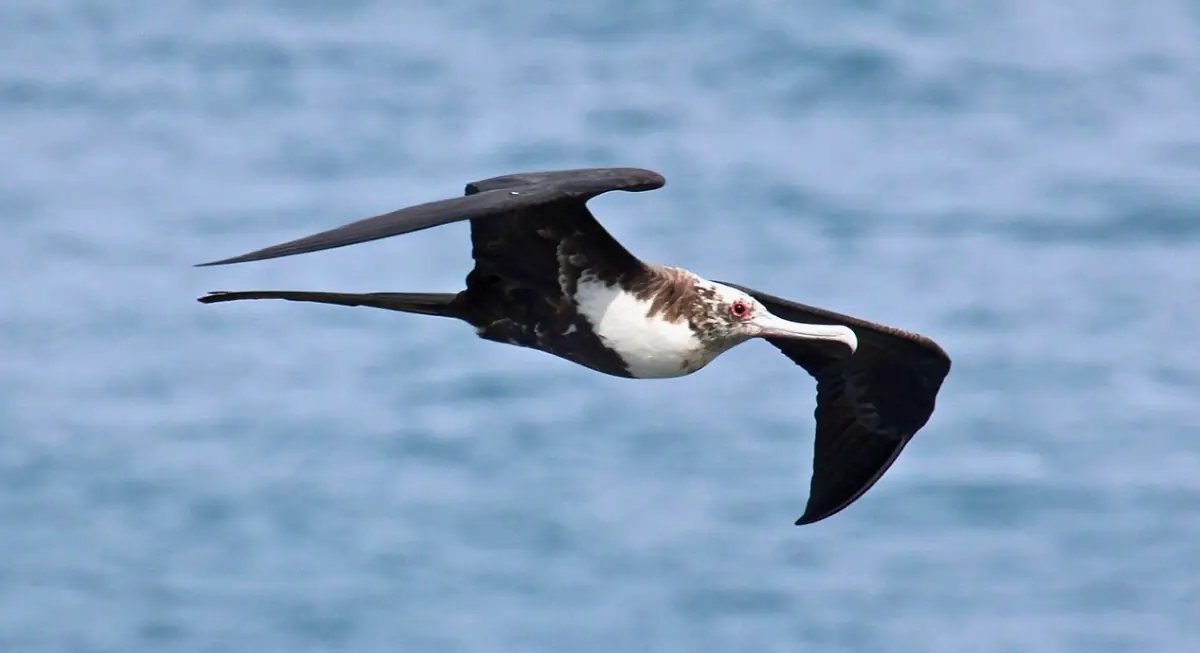
Great frigatebirds take a different approach. They can stay in the air for weeks, sometimes even months, especially during long ocean crossings. One tracked bird traveled about 34,000 miles over 185 days, stopping for only four days.
What makes them unique is how they use clouds. These birds intentionally fly into cumulus clouds to catch powerful rising air currents, which can lift them thousands of feet into the sky. They can also sleep while flying, taking short naps mid-air. That ability helps them keep going without the need to land often.
Andean Condor
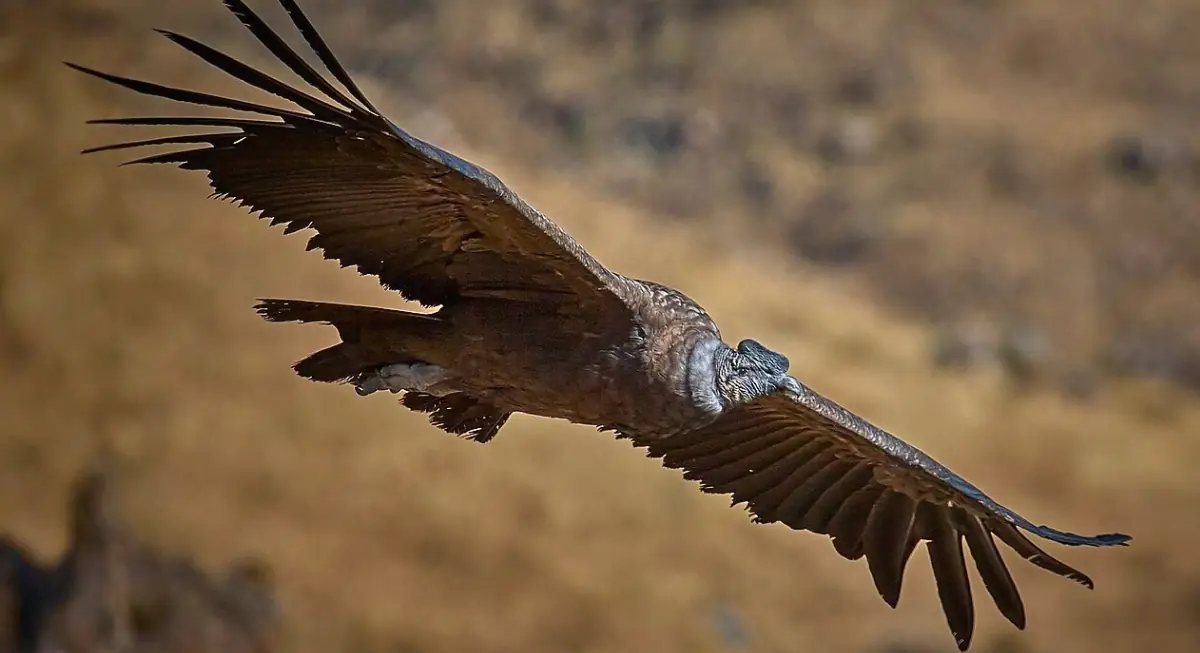
Instead of staying up through constant effort, the Andean condor relies almost entirely on the wind. Researchers tracked these birds for five years and found they spend about 99 percent of their flight time soaring. Flapping only happens during takeoff and landing.
At around 35 pounds, they’re the heaviest soaring birds. Flapping actually costs them altitude, so they depend on thermals to stay up. Their flights can stretch for hours or days, with very little energy spent once they’re airborne.





